Voorvertoning Bekijk in AR Bestel handgeschilderde reproductie Schakel over naar digitale afbeeldingen Verstuur
Details bekijken Gids Toevoegen aan favorieten Download Vergelijkbare items Röntgenonderzoek Diavoorstelling Q&A Statistieken

Bekijk de Kapel

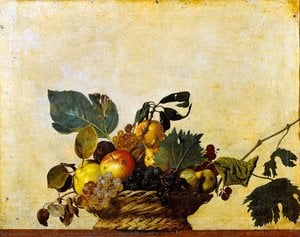
Domineer de dramatische kunst van Caravaggio met "Bekijk de Kapel". Een meesterwerk dat zijn briljante beheersing van licht en schaduw laat zien, gevangen in een prachtige Barok kapel scène.

Ontdek Caravaggio (1571-1610): Barokmeester van realisme & tenebrisme! Dramatische religieuze taferelen, intense clair-obscur en een revolutionaire stijl.

Giclée / Kunstafdrukken

Giclée- of canvasafdruk van museumkwaliteit met een snelle productie en flexibele afwerkingsmogelijkheden. ( Bestel handgeschilderde reproductie Schakel over naar digitale afbeeldingen)

Corner sample of the P118B picture frame: gegoten polystyreen, 5 cm wide and 3 cm thick
P118B €10
Corner sample of the P118H picture frame: gegoten polystyreen, 5 cm wide and 3 cm thick
P118H €10
Corner sample of the P118W picture frame: gegoten polystyreen, 5 cm wide and 3 cm thick
P118W €10
Corner sample of the P438Z picture frame: gegoten polystyreen, 5.5 cm wide and 3.5 cm thick
P438Z €10
Corner sample of the P508JH picture frame: gegoten polystyreen, 7 cm wide and 3.5 cm thick
P508JH €12
Corner sample of the P508YH picture frame: gegoten polystyreen, 7 cm wide and 3.5 cm thick
P508YH €12
Corner sample of the P805H picture frame: gegoten polystyreen, 5 cm wide and 3.5 cm thick
P805H €10
Corner sample of the P805Z picture frame: gegoten polystyreen, 5 cm wide and 3.5 cm thick
P805Z €10
Corner sample of the P919BZ picture frame: gegoten polystyreen, 7 cm wide and 3.5 cm thick
P919BZ €10
Corner sample of the P919G picture frame: gegoten polystyreen, 7 cm wide and 3.5 cm thick
P919G €10
Corner sample of the P919XJ picture frame: gegoten polystyreen, 7 cm wide and 3.5 cm thick
P919XJ €10
Corner sample of the P959ZH picture frame: gegoten polystyreen, 5 cm wide and 3 cm thick
P959ZH €10
Corner sample of the P968JZ picture frame: gegoten polystyreen, 6 cm wide and 4 cm thick
P968JZ €12
Corner sample of the W106C picture frame: massief hout, 5 cm wide and 3 cm thick
W106C €8
Corner sample of the W218G picture frame: massief hout, 5 cm wide and 3 cm thick
W218G €10
Corner sample of the W218JH picture frame: massief hout, 5 cm wide and 3 cm thick
W218JH €8
Corner sample of the W218Y picture frame: massief hout, 5 cm wide and 3 cm thick
W218Y €10
Corner sample of the W307PJ picture frame: massief hout, 6 cm wide and 3 cm thick
W307PJ €10
Corner sample of the W316G picture frame: massief hout, 6 cm wide and 3 cm thick
W316G €10
Corner sample of the W316PJ picture frame: massief hout, 6 cm wide and 3 cm thick
W316PJ €8
Corner sample of the W316Y picture frame: massief hout, 6 cm wide and 3 cm thick
W316Y €10
Corner sample of the W398PJ picture frame: massief hout, 5 cm wide and 3 cm thick
W398PJ €8
Corner sample of the W4111J picture frame: massief hout, 6.5 cm wide and 3.5 cm thick
W4111J €10
Corner sample of the W500HY picture frame: massief hout, 7 cm wide and 5 cm thick
W500HY €15
Corner sample of the W500JH picture frame: massief hout, 7 cm wide and 5 cm thick
W500JH €15
Corner sample of the W692G picture frame: massief hout, 8 cm wide and 4 cm thick
W692G €12
Corner sample of the W849H picture frame: massief hout, 5 cm wide and 3 cm thick
W849H €8
Corner sample of the W940BG picture frame: massief hout, 7.5 cm wide and 4.5 cm thick
W940BG €15
Corner sample of the W953PJ picture frame: massief hout, 6 cm wide and 3.5 cm thick
W953PJ €8

Standaardformaat
op maat gemaakt
CM
INCH

Kies uit onze vooraf ingestelde maten die overeenkomen met de originele verhoudingen van het kunstwerk.

breedte
hoogte

Voer de gewenste breedte en hoogte in, passend bij uw lijst of muur. Een afdruk kan alleen worden ingekort en nooit groter worden gemaakt dan het origineel; een formaat met andere verhoudingen zal daarom een deel van de afbeelding verliezen. Wij sturen u een digitaal mockup ter goedkeuring voordat we tot drukwerk overgaan. De afbeelding op deze pagina toont niet de werkelijke uitsnede — dit is alleen te zien op het mockup.

Wereldwijde levering () binnen 2 weken in plaats van de standaard 4/5 weken. (30 oktober)

Gratis wereldwijde expressverzending
Hoogwaardig linnen canvas
Volledige verzendverzekering
Garantie op terugbetaling van invoerrechten
Garantie op exacte kleurweergave
Retourbeleid van 100 dagen (alleen bij defecten)
100% Geld-terug-garantie
Korting bij meerdere afnames

Totaalprijs

€ 61

Bekijk de Kapel

Giclée / Kunstafdrukken

Afmetingen reproductie

-

Eindtotaal

€ 61

Snelle feiten

  • Medium: Oil on Canvas
  • Dimensions: 245 x 155 cm
  • Influences: Renaissance
  • Artistic style: Dramatic Realism
  • Year: 1600
  • Artist: Michelangelo Merisi da Caravaggio

Kunstquiz

Er is slechts één goed antwoord op elke vraag.

Vraag 1:
¿Quién es Michelangelo Merisi da Caravaggio?
Vraag 2:
¿Qué técnica artística distintiva utilizó Caravaggio en "View of the Chapel"?
Vraag 3:
¿Dónde se encuentra actualmente "View of the Chapel"?
Vraag 4:
¿Cuál es el efecto principal que busca Caravaggio transmitir con esta obra?
Vraag 5:
¿Por qué es considerada una obra maestra del Barroco?

Michelangelo Merisi da Caravaggio’s “View of the Chapel”: A Dramatic Revelation

Michelangelo Merisi da Caravaggio, better known as Caravaggio, remains one of the most profoundly influential and intensely debated figures in art history. His work, characterized by a radical departure from prevailing Renaissance ideals, continues to resonate with audiences centuries later. Among his vast oeuvre, “View of the Chapel” (circa 1600) stands as a particularly compelling example of his genius – a meticulously constructed drama of light, shadow, and human presence that offers an intimate glimpse into a grand, almost theatrical space: a chapel brimming with spiritual significance.

This monumental oil-on-canvas painting, measuring a substantial 245 x 155 cm, transcends mere representation. It’s not simply a depiction of a room; it's a carefully orchestrated composition designed to evoke awe and contemplation. Caravaggio masterfully employs a technique he termed “tenebrism,” a dramatic contrast between intensely bright areas illuminating specific subjects and surrounding them in deep, enveloping darkness. This isn’t merely an aesthetic choice but a fundamental element of his artistic philosophy – a way to heighten emotional impact and draw the viewer's eye directly to key elements within the scene.

The Architecture of Shadow and Light

Within the painting unfolds an opulent room, meticulously designed to suggest both grandeur and solemnity. High ceilings are adorned with paintings and sculptures, creating a layered visual experience that immediately draws the viewer into its depths. The architecture itself is subtly theatrical, reminiscent of the stage sets favored by Renaissance playwrights – a deliberate choice likely intended to heighten the sense of drama inherent in Caravaggio’s style. Notice the careful placement of statues; they are not static objects but active participants within the chapel's atmosphere, lending a palpable sense of history and solemnity. These figures, rendered with remarkable realism, seem almost to observe the viewer, adding another layer of complexity to the scene.

A prominent clock on one wall serves as a subtle yet crucial anchor for the composition. It’s not merely a functional object but a reminder of time's passage – perhaps signaling the arrival of worshippers or marking the rhythm of sacred rituals. This detail grounds the scene within a specific temporal context, imbuing it with a sense of immediacy and realism that was revolutionary for its time. The overall effect is one of controlled grandeur, a carefully orchestrated composition designed to inspire contemplation and reverence.

Symbolism and Spiritual Depth

Beyond the technical mastery of light and shadow, “View of the Chapel” is rich in symbolic detail. The chapel itself represents the sacred space – a microcosm of heaven on earth. The statues, often depicting biblical figures or saints, reinforce this spiritual theme. The arrangement of objects within the room—the furniture, the lighting, even the positioning of the statues—all contribute to a carefully constructed narrative that speaks to themes of faith, mortality, and divine presence. While specific interpretations may vary, Caravaggio’s intention was undoubtedly to create an artwork that would stimulate reflection on these profound concepts.

Caravaggio's Legacy: A Revolutionary Style

“View of the Chapel” is a cornerstone of Caravaggio’s artistic legacy. His innovative use of tenebrism, combined with his commitment to realism and psychological depth, profoundly influenced generations of artists who followed. Works by Rubens and Rembrandt, for example, owe a significant debt to Caravaggio's groundbreaking techniques. Studying this painting offers a unique opportunity to understand the genesis of Baroque art and appreciate the enduring power of Caravaggio’s vision. The reproduction offered here captures not only the visual details but also the emotional intensity that defines this iconic masterpiece.

  • Size: 245 x 155 cm
  • Date: Circa 1600
  • Artist: Michelangelo Merisi da Caravaggio (1571-1610)

Explore the full depth and drama of “View of the Chapel” with a hand-painted reproduction – a stunning addition to any art collection or interior space. Discover more.

Veelgestelde vragen

Hoe harmonieus zijn de kleuren van "Bekijk de Kapel" door Caravaggio?

De kleuren van "Bekijk de Kapel" door Caravaggio vertonen een Evenwichtige harmonie harmonie. Harmonie beschrijft de onderlinge relatie tussen de kleuren.

Zijn de kleuren van "Bekijk de Kapel" door Caravaggio levendig of gedempt?

"Bekijk de Kapel" door Caravaggio is vastgelegd met een Subtiel kleurgebruik verzadiging en een Gebalanceerd intensiteit.

Waar wordt het Staand formaat-formaat van "Bekijk de Kapel" aanbevolen te tonen?

Het Staand formaat-formaat van "Bekijk de Kapel" door Caravaggio wordt aanbevolen voor een Woonkamer. Formaat en ruimte samen bepalen de ideale plaatsing van een reproductie.


Biografie kunstenaar

Een Leven in Schaduw en Licht

Michelangelo Merisi da Caravaggio, een naam die onlosmakelijk verbonden is met de dramatische intensiteit van de barokschilderkunst, werd in 1571 geboren in Milaan, een periode gekenmerkt door zowel artistieke bloei als maatschappelijke omwentelingen. Zijn vroege leven werd getekend door verlies; de pest teisterde zijn geboortestad en eiste het leven van zijn vader en grootvader toen hij slechts zes jaar oud was. Opgegroeid in relatieve armoede, ontwikkelde de jonge Michelangelo een scherp bewustzijn van menselijk lijden en veerkracht – thema’s die later centraal zouden komen te staan in zijn doeken. Hij begon zijn artistieke opleiding in Milaan onder Simone Peterzano, een voormalig leerling van Titiaan, waar hij de basisprincipes van de Renaissance-techniek absorbeerde, maar al vroeg een rebelse geest toonde die weldra conventionele normen zou doorbreken. Deze leertijd legde een solide basis, maar het was in Rome, rond 1592, dat Caravaggio zijn eigen stem vond, hoewel niet zonder aanvankelijke strijd en ontberingen. De stad, een bruisend centrum van artistieke patronage en religieuze ijver, bleek zowel aantrekkelijk als meedogenloos voor de ambitieuze jonge schilder.

Een Revolutionaire Visie: Techniek en Stijl

De komst van Caravaggio in Rome luidde een seismische verschuiving in het landschap van de Italiaanse kunst in. Hij verwierp de heersende maniëristische stijl – gekenmerkt door haar artificiële elegantie en verlengde vormen – ten gunste van een compromisloze realisme dat schokte en boeide. Zijn meest bepalende innovatie was zijn meesterlijke gebruik van chiaroscuro, het dramatische contrast tussen licht en donker, dat hij naar een nieuw niveau van expressieve kracht tilde. Deze techniek, vaak aangeduid als tenebrisme, was niet slechts een esthetische keuze; het was een middel om de emotionele impact te versterken, kijkers in het hart van de scène te trekken en zijn figuren een tastbare aanwezigheid te geven. Hij schuwde geïdealiseerde afbeeldingen en bevolkte zijn schilderijen met gewone mensen – vaak afkomstig uit de straten van Rome – als modellen voor religieuze figuren. Deze radicale aanpak daagde traditionele opvattingen over schoonheid en heiligheid uit, waardoor het sacrale toegankelijk en diep menselijk werd. Zijn composities waren vaak sober en direct, gericht op cruciale momenten van intense dramatiek, zoals de brute realisme in “De Vangst van Christus” of de stille contemplatie in "Sint Franciscus van Assisi in Extase".

Belangrijke Werken en Blijvende Invloed

Gedurende zijn relatief korte carrière produceerde Caravaggio een oeuvre dat tot op de dag van vandaag resoneren met het publiek. Vroege werken, zoals “De Waarzegster” (1594), tonen zijn ontluikend talent voor het vastleggen van realistisch detail en psychologische nuance. “Het Emmaüsmalte” (1601-1602), bewaard in de National Gallery in Londen, is een voorbeeld van zijn beheersing van chiaroscuro en vermogen om diepe emotionele diepte over te brengen binnen een bijbelse vertelling. “David met het hoofd van Goliath” (ca. 1610) is bijzonder huiveringwekkend, vaak geïnterpreteerd als een zelfportret dat Caravaggio’s eigen turbulente gemoed weerspiegelt. Zijn invloed reikte verder dan Italië en inspireerde een generatie kunstenaars die bekend staan ​​als de Caravaggisti, of “schaduwschilders”, die zijn stijl overnamen in heel Europa. Opmerkelijke volgelingen waren Peter Paul Rubens, Jusepe de Ribera en Gerrit van Honthorst, die elk Caravaggio’s technieken aanpasten aan hun eigen unieke artistieke visies.

Een Tumultueus Bestaan en Blijvende Erfenis

Caravaggio's leven was net zo dramatisch en turbulent als zijn kunst. Een vluchtig temperament en een voorliefde voor ruzies leidden tot frequente problemen met de wet, culminerend in een moordbeschuldiging in 1606 die hem dwong Rome te ontvluchten. Hij bracht de volgende vier jaar rondzwervend door in Napels, Malta en Sicilië, waar hij bleef schilderen terwijl hij wanhopig op zoek was naar een pauselijke gratie. Ondanks zijn inspanningen bleef hij een buitenwetscit, achtervolgd door zijn verleden en geplaagd door persoonlijke conflicten. Hij stierf in Porto Ercole, Italië, in 1610 onder mysterieuze omstandigheden – de oorzaak van zijn dood blijft onderwerp van debat, met theorieën variërend van koorts tot vergiftiging. Hoewel zijn leven kort was, getuigt Caravaggio’s artistieke nalatenschap van zijn revolutionaire visie en onwrikbare toewijding aan het realisme. Hij daagde de conventies van zijn tijd uit, baande de weg voor een modernere benadering van schilderen en liet een onuitwisbare stempel achter op de loop van de westerse kunstgeschiedenis. Zijn werk blijft ontzag inboezemen en tot contemplatie aanzetten, en herinnert ons aan de kracht van kunst om de donkerste hoeken van de menselijke ervaring te verlichten.
Caravaggio

Caravaggio

1571 - 1610 , Spanje

Belangrijkste feiten

  • Artistic Movement Or Style: Barok, Tenebrism
  • Artists Or Movements Influenced By This Artist:
    • Rubens
    • Ribera
  • Artists Who Influenced This Artist:
    • Titian
    • Leonardo da Vinci
  • Date Of Birth: 29 september 1571
  • Date Of Death: 18 juli 1610
  • Full Name: Michelangelo Merisi da Caravaggio
  • Nationality: Italiaans
  • Notable Artworks:
    • The Fortune Teller
    • Supper at Emmaus
    • David with Goliath
  • Place Of Birth: Milaan, Spanje
Ontdek kunstwerken georganiseerd op thema, stijl en kenmerk.