A Moment Frozen on the Shoreline
Berthe Morisot’s “On the Beach,” painted in 1875, isn't merely a depiction of a seaside scene; it’s an exquisite distillation of Impressionist philosophy. The canvas breathes with a quiet serenity, capturing not just the visual appearance of a summer afternoon but also the elusive feeling of leisure and connection to nature that defined the era. Morisot, a key figure within the burgeoning Impressionist movement, eschewed the rigid academic traditions of her time, instead prioritizing fleeting moments of light, color, and emotion – elements powerfully evident in this work. The painting’s strength lies not in dramatic action or bold statement, but in its subtle nuances, inviting the viewer to linger and contemplate the quiet beauty of a shared experience.
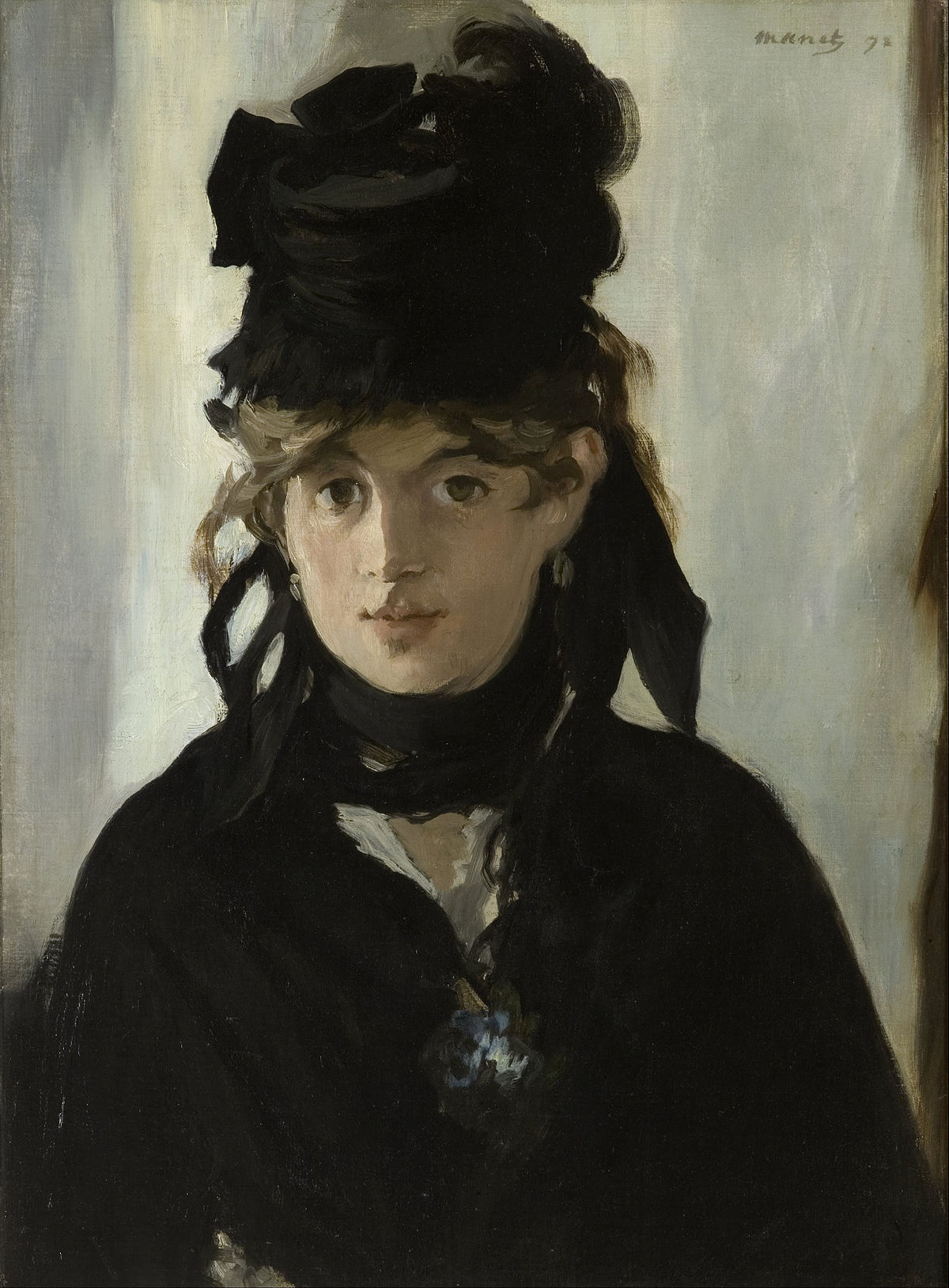
Impressionist Techniques and Delicate Brushwork
Morisot’s mastery is revealed in her masterful use of technique. The painting is executed in oil on canvas, a medium that allowed for both rich color saturation and the delicate layering characteristic of Impressionism. Notice how she employs loose, broken brushstrokes – almost hesitant at times – to capture the shimmering effect of sunlight on water and sand. These aren’t blended or smoothed; instead, they retain their individual texture, creating a vibrant sense of movement and immediacy. The palette is remarkably restrained, dominated by soft blues, greens, and ochres, punctuated by the warm tones of parasols and skin. This careful selection of colors contributes to the painting's overall atmosphere of tranquility and warmth.
- Color Theory: Morisot expertly utilizes complementary colors (blue and orange) to create visual interest and depth.
- Brushwork: The short, broken strokes evoke a sense of movement and capture the fleeting effects of light.
- Layering: She builds up layers of paint to achieve subtle gradations of color and tone.
A Glimpse into Victorian Leisure
“On the Beach” offers a poignant glimpse into the leisure activities of late 19th-century France, a time when seaside resorts were becoming increasingly popular among the upper classes. The scene depicts a small group of individuals enjoying a day at the beach – a couple relaxing under an umbrella, children playing in the sand, and others strolling along the shore. The presence of boats in the background hints at the connection between land and sea, while the parasols provide shade from the sun. Morisot’s focus isn't on grand spectacle but rather on capturing the intimate moments of human interaction within this idyllic setting. The painting subtly speaks to a desire for escape and connection with nature – themes that resonate even today.
Symbolism and Emotional Resonance
Beyond its surface beauty, “On the Beach” is rich in symbolic meaning. The beach itself represents transition and renewal, a place of respite from the pressures of urban life. The figures are not sharply defined; they seem almost dreamlike, lost in their own thoughts and enjoying the simple pleasures of the moment. The muted colors and soft light contribute to a sense of melancholy and nostalgia, suggesting that these fleeting moments of happiness are precious and transient. Morisot’s ability to evoke such complex emotions with such understated elegance is what elevates “On the Beach” beyond a mere landscape painting – it's a meditation on beauty, memory, and the human condition.



 Voorvertoning
 Bestel handgeschilderde reproductie
 Verstuur
 Delen
Delen
 Details bekijken

 Download
 Vergelijkbare items
 Röntgenonderzoek
 Diavoorstelling
 Statistieken


 Lees meer






































 De optie voor glas is alleen beschikbaar bij een formaat kleiner dan 110 cm.


