


 Acrylic On CanvasWallArtEarly Renaissance
 1465
1465 86.0 x 69.0 cm
Giclée- of canvasafdruk van museumkwaliteit met een snelle productie en flexibele afwerkingsmogelijkheden. ( Bestel handgeschilderde reproductie Koop afbeelding)





























Kies uit onze vooraf ingestelde maten die overeenkomen met de originele verhoudingen van het kunstwerk.

U kunt uw eigen afmetingen opgeven om in een specifieke lijst of ruimte te passen. Als de door u gekozen maat niet overeenkomt met de proporties van het originele kunstwerk, zullen wij de afbeelding bijsnijden of uitbreiden met een gespiegelde of effen rand. Een digitaal mockup wordt ter goedkeuring naar u verzonden voordat de productie begint.
Houd er rekening mee dat de preview op het scherm de werkelijke bijsneding of uitbreiding niet weergeeft. Alleen de mockup toont de uiteindelijke compositie nauwkeurig.
Hoewel aangepaste maten beschikbaar zijn, raden wij aan een afmeting uit de vooraf bepaalde lijst te kiezen om de originele proporties te behouden.
Wereldwijde levering () binnen 2 weken in plaats van de standaard 4/5 weken. (6 september)


The Presentation
Afmetingen reproductie
Andrea Mantegna’s “The Presentation at the Temple,” painted around 1455, stands as a cornerstone of Early Renaissance art—a testament to its fascination with classical ideals and meticulous observation of detail. More than just a depiction of biblical narrative, it embodies a profound intellectual engagement with Roman antiquity, reflecting Mantegna's formative years under Francesco Squarcione’s tutelage at Padua’s humanist workshop.
The color palette leans heavily on earthy tones – browns, reds, and golds – accented by delicate whites and muted blues. These hues are strategically contrasted to highlight key figures like Mary’s pale skin and the infant Jesus’ crimson robe, emphasizing visual impact and conveying solemn reverence.
Beyond its formal elements, “The Presentation” resonates with profound symbolic meaning. The aureola encircling Mary, Jesus, and Simeon signifies holiness and divine grace, while the expressions on their faces convey tenderness, piety, and unwavering faith—capturing the essence of spiritual contemplation.
Mantegna’s dedication to accuracy—evident in the detailed rendering of drapery folds, skin tones, and architectural elements—reflects a humanist impulse rooted in the rediscovery of classical knowledge. This artwork remains an enduring emblem of Renaissance artistic ambition: a courageous attempt to revive the grandeur and intellectual rigor of Rome amidst the burgeoning cultural landscape of Florence and Padua.


1431 - 1506 , Italië

Explore the profound power of religious symbolism in art history. From Renaissance masterpieces to sacred iconography, uncover the hidden meanings behind divine details in a deep dive into classical art excellence.
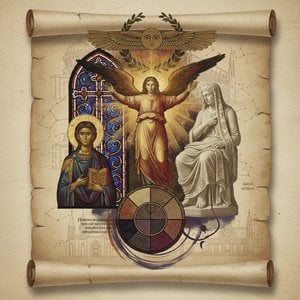
Explore the profound impact of spiritual themes in fine art. From Renaissance iconography to Baroque drama, discover how sacred symbolism and divine visions have shaped art history through a scholarly and reflective lens.

 Voorvertoning
 Verstuur
 Delen
Delen
 Details bekijken

 Download
 Vergelijkbare items
 Röntgenonderzoek
 Diavoorstelling
 Lees meer







 De optie voor glas is alleen beschikbaar bij een formaat kleiner dan 110 cm.


