x
VoorvertoningVoorvertoning Bekijk in ARBekijk in AR Bestel handgeschilderde reproductie Bestel handgeschilderde reproductieKoop afbeelding Koop afbeelding VerstuurVerstuur
Details bekijkenDetails bekijken Toevoegen aan favorieten Toevoegen aan favorieten DownloadDownload Vergelijkbare itemsVergelijkbare items RöntgenonderzoekRöntgenonderzoek DiavoorstellingDiavoorstelling

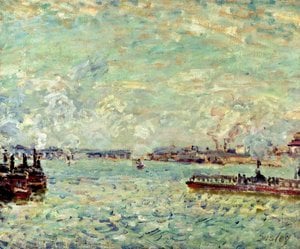
A Normandy Farm

Discover 'A Normandy Farm' by Alfred Sisley – an exquisite Impressionist landscape capturing serene rural France with soft brushstrokes and vibrant light. A timeless masterpiece.

Alfred Sisley (1839-1899): Brits-Frans Impressionist meester van serene landschappen, vastende licht op rivieren & Franse platteland met delicate schoonheid.

Giclée / Kunstafdrukken

Giclée- of canvasafdruk van museumkwaliteit met een snelle productie en flexibele afwerkingsmogelijkheden. (Bestel handgeschilderde reproductie Bestel handgeschilderde reproductieKoop afbeelding Koop afbeelding)

P118B $10
P118H $10
P118W $10
P438Z $10
P508JH $12
P508YH $12
P805H $10
P805Z $10
P919BZ $10
P919G $10
P919XJ $10
P959ZH $10
P968JZ $12
W106C $8
W218G $10
W218JH $8
W218Y $10
W307PJ $10
W316G $10
W316PJ $8
W316Y $10
W398PJ $8
W4111J $10
W500HY $15
W500JH $15
W692G $12
W849H $8
W940BG $15
W953PJ $8

Standaardformaat
op maat gemaakt
CM
INCH

Kies uit onze vooraf ingestelde maten die overeenkomen met de originele verhoudingen van het kunstwerk.

breedte
hoogte

U kunt uw eigen afmetingen opgeven om in een specifieke lijst of ruimte te passen. Als de door u gekozen maat niet overeenkomt met de proporties van het originele kunstwerk, zullen wij de afbeelding bijsnijden of uitbreiden met een gespiegelde of effen rand. Een digitaal mockup wordt ter goedkeuring naar u verzonden voordat de productie begint.
Houd er rekening mee dat de preview op het scherm de werkelijke bijsneding of uitbreiding niet weergeeft. Alleen de mockup toont de uiteindelijke compositie nauwkeurig.
Hoewel aangepaste maten beschikbaar zijn, raden wij aan een afmeting uit de vooraf bepaalde lijst te kiezen om de originele proporties te behouden.

Wereldwijde levering () binnen 2 weken in plaats van de standaard 4/5 weken. (30 augustus)

why_choose_icon
Gratis wereldwijde expressverzending
why_choose_icon
Hoogwaardig linnen canvas
why_choose_icon
Volledige verzendverzekering
why_choose_icon
Garantie op terugbetaling van invoerrechten
why_choose_icon
Garantie op exacte kleurweergave
why_choose_icon
Retourbeleid van 60 dagen (alleen bij defecten)
why_choose_icon
100% Geld-terug-garantie
why_choose_icon
Korting bij meerdere afnames

Totaalprijs

$ 69

reproduction

A Normandy Farm

Giclée / Kunstafdrukken

Afmetingen reproductie

-

Eindtotaal

$ 69

Snelle feiten

  • Location: Manchester Art Gallery
  • Artistic style: Landscapes, rural scenes
  • Title: A Normandy Farm
  • Medium: Oil on canvas
  • Dimensions: 127 x 152 cm
  • Notable elements: Soft brushstrokes
  • Subject or theme: French countryside

Kunstquiz

Er is slechts één goed antwoord op elke vraag.

Vraag 1:
What artistic movement is Alfred Sisley’s ‘A Normandy Farm’ primarily associated with?
Vraag 2:
According to the image description, what is a prominent feature of the scene depicted in ‘A Normandy Farm’?
Vraag 3:
In what year was Alfred Sisley’s ‘A Normandy Farm’ created?
Vraag 4:
What is the approximate size of ‘A Normandy Farm’?
Vraag 5:
The painting’s composition emphasizes which of the following aspects?

A Normandy Farm: A Serene Echo of Impressionist Light

Alfred Sisley’s “A Normandy Farm,” painted in 1874, isn't merely a depiction of a rural scene; it’s an immersion into the very essence of Impressionism – a fleeting moment captured on canvas, imbued with light, atmosphere, and a profound sense of tranquility. This oil-on-canvas masterpiece, currently residing within the Manchester Art Gallery, transports us to the rolling hills and sun-drenched fields of Normandy, offering a glimpse into a world where nature reigns supreme and the simple rhythms of rural life are celebrated.

Sisley, born in Paris to British parents but largely devoted to his artistic life in France, was a key figure within the Impressionist movement. Unlike the rigid academic traditions of the time, he sought to capture not just the *appearance* of a subject, but its *impression* – the way light and color interact at a specific moment. This is powerfully evident in “A Normandy Farm,” where the artist masterfully utilizes broken brushstrokes and a delicate palette to evoke the warmth of the afternoon sun filtering through the trees.

Composition and Technique: A Dance of Light

Measuring 127 x 152 cm, the painting unfolds with an almost effortless grace. The composition is anchored by the modest farm buildings nestled amongst a cluster of ancient trees – their branches reaching skyward like skeletal fingers, hinting at the approaching autumn. A scattering of cows, rendered in soft, hazy tones, graze peacefully in the foreground, while two horses stand patiently near the barn, adding to the sense of quiet industry and rural harmony. Sisley’s technique is characterized by his signature *en plein air* approach – painting directly from nature. This commitment to observation results in a remarkable sensitivity to light, which he captures with an almost ethereal quality.

Notice how he employs short, feathery brushstrokes, layering color upon color to create the illusion of depth and atmosphere. The trees aren’t sharply defined; instead, they dissolve into a wash of greens and blues, blending seamlessly with the sky. The light itself seems to shimmer and dance across the canvas, creating an ever-changing visual experience for the viewer. This deliberate blurring of form is a hallmark of Impressionism – a rejection of traditional realism in favor of capturing the subjective perception of reality.

Historical Context: The Rise of Impressionism

“A Normandy Farm” was painted during a period of significant artistic transformation in France. Following the Franco-Prussian War, artists sought to break free from the constraints of academic painting and explore new ways of representing the world around them. Impressionism emerged as a direct response to this desire for innovation, challenging established conventions and embracing spontaneity, color, and light. Artists like Monet, Renoir, and Sisley gathered in groups, sharing ideas and experimenting with new techniques – often painting outdoors (*en plein air*) to better capture the fleeting effects of natural light.

Normandy itself held a special significance for Sisley. He spent considerable time in the region, drawn by its picturesque landscapes and the opportunity to immerse himself in the rhythms of rural life. The subject matter of his paintings – fields, rivers, trees, and farmhouses – reflected this deep connection to the land.

Symbolism and Emotional Impact: A Moment of Peace

Beyond its technical brilliance, “A Normandy Farm” resonates with a profound sense of peace and tranquility. The scene evokes a feeling of timelessness, suggesting that life unfolds at a slower pace in the countryside. The muted colors and soft light create an atmosphere of serenity, inviting the viewer to step into the painting and experience a moment of respite from the stresses of modern life.

The farm itself can be interpreted as a symbol of simplicity, resilience, and connection to nature – values that were increasingly valued during the 19th century. Sisley’s ability to capture these subtle yet powerful emotions is what elevates “A Normandy Farm” from a mere landscape painting to a timeless work of art.

Reproductions: Bringing Normandy Home

For those seeking to bring the serenity of rural France into their own homes, handmade oil painting reproductions of “A Normandy Farm” are available on WahooArt. These meticulously crafted replicas capture the essence of Sisley’s original masterpiece, offering a beautiful and authentic way to experience this iconic work of Impressionist art.


Biografie van de kunstenaar

A Life Immersed in Light and Landscape

Alfred Sisley, een naam die vaak genoemd wordt naast die van Monet, Renoir en Pissarro, bezit een uniek en diepgaand prachtig plaatsje binnen de Impressionistische beweging. Geboren in Parijs op 30 oktober 1839, als kind van Britse ouders – William Sisley, een zijlfabrikant, en Felicia Sell, een muziekenthousiast – droeg hij een dubbele erfenis met zich mee die subtiel invloed had op zijn artistieke visie. Hoewel hij bijna zijn hele leven in Frankrijk doorbracht, behield Sisley zijn Britse nationaliteit, een feit dat hem later in het leven persoonlijke teleurstelling bezorgde toen zijn aanvraag voor Franse naturalisatie werd afgewezen. Zijn vroege jaren waren comfortabel bourgeois, waardoor hij de mogelijkheid kreeg om aanvankelijk studies te volgen die bestemd waren voor een commerciële carrière in Londen op de leeftijd van achttien. Echter, de aantrekkingskracht van kunst bleek te sterk en hij keerde in 1861 terug naar Parijs, waar hij formeel onderricht kreeg bij de Zwitserse kunstenaar Marc-Charles-Gabriel Gleyre aan de École des Beaux-Arts. Hier, midden in de bloeiende artistieke ferment van die tijd, sloot Sisley belangrijke vriendschappen met Monet, Renoir en Bazille – relaties die zijn artistieke traject diepgaand zouden beïnvloeden. Deze kompanons deelden een rebelliegeest, weigerend de rigide conventies van academische schilderkunst te accepteren in plaats daarvan om de vluchtige effecten van licht en atmosfeer direct uit de natuur vast te leggen.

De Stille Meester van het Impressionisme

Sisley’s toewijding aan *plein air* - schilderen buiten, direct observerend de natuurlijke wereld – was onwrikbaar. Anders dan sommige van zijn tijdgenoten die experimenteerden met verschillende genres, bleef Sisley trouw aan landschap gedurende zijn hele carrière. Deze gefocuste devotie stelde hem in staat om een kenmerkende stijl te verfijnen gekenmerkt door sereniteit, delicate kleurenpaletten en een subtiele weergave van licht. Zijn doeken zijn vaak overspoeld met zachte tinten groen, roze, paars, stoffig blauw en crème, waardoor een sfeer van serene contemplatie ontstaat. Hoewel de vroege werken grotendeels verloren zijn gegaan in de tijd, onthulden zijn latere schilderijen een nauwe observatie van de natuur gecombineerd met een poëtische gevoeligheid. Hij was niet geïnteresseerd in grote verhalen of dramatische gebaren; in plaats daarvan vond hij schoonheid in het alledaagse – in de zachte stroom van rivieren, het gefilterde licht door bomen en de rustige charme van het platteland. Zijn vroege worstelingen met erkenning werden verder bemoeilijkt door zijn vader’s financiële moeilijkheden na de Frans-Pruisische Oorlog in 1870, waardoor Sisley alleen kon leven van de verkoop van zijn kunst – een precair bestaan dat veel van zijn carrière schaduwde. Hij was werkelijk een Impressionist, maar één die relatief onopgemerkt bleef tijdens zijn leven.

Rivieren, Kanalen en de Essentie van Plaats

Herhaalde thema’s doemen op in Sisley’s oeuvre, met name zijn fascinatie voor water. Rivierlandschappen werden een kenmerkend onderwerp, zoals blijkt uit zijn reeks schilderijen die hij maakte tijdens een reis naar Engeland in 1874 langs de Thames nabij Molesey. Deze werken, die de rustige schoonheid van de rivier en haar omgeving vastleggen, worden beschouwd als onder zijn beste prestaties – een “perfect moment of Impressionism,” zoals kunsthistoricus Kenneth Clark het omschreef. Hij ontwikkelde ook een diepe band met Moret-sur-Loing, waar hij vele jaren woonde, en verbeeldde talloze doeken de schoonheid ervan. Schilderijen als "Watermolen nabij Moret," "Bootjes op de Loing Kanaal, Lente" en “Velden rond het Bos” tonen zijn vermogen om de schoonheid van alledaagse scènes te onthullen met een gevoel van poëtische gratie. Hij beschouwde niet alleen deze plaatsen; hij ving hun *essentie* vast, doorgeven niet alleen wat ze eruitzagen maar ook hoe ze voelden – de zachte bries, de warmte van de zon en het rustige gefluister van het water. Deze gevoeligheid voor atmosfeer en stemming is misschien Sisley’s meest blijvende nalatenschap.

Invloeden en een Laatste Erfgoed

Sisley’s artistieke invloeden waren veelzijdig. Gleyre’s academische training bood een basis in techniek, terwijl de vriendschap met Monet, Renoir en Bazille een gedeelde toewijding aan Impressionistische principes bevorderde. Hij absorbeerde hun nadruk op het vastleggen van vluchtige momenten van licht en atmosfeer, maar ontwikkelde zijn eigen unieke stem – één gekenmerkt door bezuiniging en subtiliteit. Hoewel hij relatief onopgemerkt bleef tijdens zijn leven, wordt zijn werk nu gevierd om zijn schoonheid, gevoeligheid en onwrikbare toewijding aan het vastleggen van de schoonheid van de natuur. Zijn invloed is te zien in het werk van latere landschapsschilders die op dezelfde manier de vluchtige kwaliteiten van licht en atmosfeer wilden vastleggen met vergelijkbare nuance. Hij stierf op 29 januari 1899, op de leeftijd van vijftig negen, in Moret-sur-Loing, waardoor een oeuvre achterbleef dat nog steeds bewondering en waardering inspireert. Alfred Sisley staat als getuigenis van de kracht van stille observatie, aantoont dat ware artistieke meesterschap niet ligt in grote gebaren maar in het vermogen om de ongewone schoonheid te onthullen die verborgen is in de alledaagse wereld. Hij vertegenwoordigt een cruciale schakel tussen de Barbizon school, met zijn nadruk op realistische landschapsschilderkunst, en de volle bloei van het Impressionisme.
Alfred Sisley

Alfred Sisley

1839 - 1899 , Frankrijk

Belangrijkste feiten

  • Artistic Movement Or Style: Impressionisme
  • Artists Or Movements Influenced By This Artist:
    • Barbizon
    • Impressionisten
  • Artists Who Influenced This Artist:
    • Gleyre
    • Monet
    • Renoir
  • Date Of Birth: 30 okt 1839
  • Date Of Death: 29 jan 1899
  • Full Name: Alfred Sisley
  • Nationality: Britse-Franse
  • Notable Artworks:
    • Watermolen
    • Barge
    • Velden
  • Place Of Birth: Parijs, Frankrijk
Ontdek kunstwerken georganiseerd op thema, stijl en kenmerk.