Een Pionier van Orientalistische Visies: Het Leven en de Kunst van Alexandre Gabriel Decamps
Alexandre Gabriel Decamps, een naam die resoneert met de levendige tinten van exotische landschappen en het dramatische flair van de Romantiek, kwam naar voren als een cruciale figuur in de 19e-eeuwse Franse schilderkunst. Geboren in Parijs op 3 maart 1803, was zijn artistieke reis er een van gewaagde innovatie, waarbij hij academische conventies uitdaagde en een pad effende naar wat bekend zou komen te staan als het Oriëntalisme. Hoewel tijdgenoten zoals Delacroix en Ingres eveneens prominente posities bekleedden binnen de Franse kunstwereld, onderscheidde Decamps zich door een intens persoonlijke stijl—een samensmelting van minutieuze observatie, dramatische compositie en een meeslepende verhalende kwaliteit die toeschouwers meevoerde naar werelden die zowel vertrouwd als volkomen vreemd waren. Zijn vroege erkenning als getalenteerd kunstenaar voorspelde een carrière die werd gekenmerkt door kritisch succes, met als hoogtepunt de Grand Prix du Conseil op de Parijse tentoonstelling van 1855, een bewijs van zijn uitzonderlijke vaardigheid en unieke visie. Buiten het canvas was Decamps een man die diep verbonden was met de natuur; hij vond troost en inspiratie in het platteland rondom Parijs, waar hij zijn passie voor dieren en de jacht de vrije loop liet—een liefde die subtiel door zijn gehele artistieke oeuvre zou sijpelen.
Van Schrift tot Sahara: De Evolutie van een Artistieke Stijl
De artistieke ontwikkeling van Decamps werd gekenmerkt door een bereidheid om diverse onderwerpen en technieken te verkennen. Aanvankelijk aangetrokken door historische en bijbelse scènes, onderscheidde hij zich snel door deze verhalen weer te geven met een ongekend niveau van realisme—hij verankerde ze in authentieke lokale omgevingen in plaats van te vertrouwen op geïdealiseerde of conventionele representaties. Deze toewijding aan de waarachtigheid kwam voort uit zijn reizen naar het Oosten, ervaringen die zijn artistieke gevoeligheid diepgaand hebben beïnvloed. Hij legde niet enkel vast wat hij zag; hij bracht een gevoel over van de atmosfeer, het licht en de essentie van deze verre landen.
Joseph Sold by His Brethren, om maar een voorbeeld te geven, is niet louter een illustratie van een bijbels verhaal, maar een levendige weergave van een specifieke tijd en plaats, doordrenkt met emotionele diepgang en psychologisch inzicht. Deze benadering strekte zich uit tot zijn grotere historische werken zoals
The Defeat of the Cimbri, waarin hij meesterlijk de chaos en de wreedheid van de strijd vastlegde en zijn vermogen toonde om grootschalige composities met dynamische energie te beheersen. Het waren echter zijn afbeeldingen van het Oriëntale leven die hem werkelijk uniek maakten. Hij onthulde alledaagse scènes—markten, scholen, huiselijke interieurs—met een getrouwheid die critici, gewend aan meer geromantiseerde of stereotype voorstellingen, aanvankelijk verbaasde.
De Vader van het Oriëntalisme en zijn Blijvende Invloed
Decamps wordt terecht beschouwd als de grondlegger van het Oriëntalisme in de Franse schilderkunst. Vóór hem werden afbeeldingen van het Oosten vaak gefilterd door een lens van fantasie en exotisme. Hij presenteerde een andere visie—één geworteld in directe observatie en oprechte nieuwsgerschap. Zijn tentoonstelling op de Salon van 1831 markeerde een keerpunt, waarbij hij het Parijse publiek kennis liet maken met een ongefilterde blik op het leven in Noord-Afrika en het Midden-Oosten. Deze baanbrekende aanpak resoneerde bij zowel kunstenaars als schrijvers en inspireerde een golf van orientalistische werken die de 19e-eeuwse kunst zouden domineren. Zijn stijl—gekenmerkt door krachtige penseelstreken, opvallende contrasten tussen licht en schaduw en een voelbare atmosfeer—werd een ijkpunt voor generaties schilders, fotografen en auteurs.
Maxime du Camp noemde hem niet voor niets de “Christoffel Columbus van het Oosten,” in erkenning van zijn pioniersrol bij het ontsluiten van dit nieuwe artistieke territorium.
The Albanian Dancer, met zijn levendige kleuren en energieke compositie, is een perfect voorbeeld van zijn vermogen om de geest van een cultuur te vangen terwijl hij een uitgesproken Franse esthetische gevoeligheid behoudt. Zelfs satirische werken zoals
The Monkey Connoisseurs, een speelse sneer naar de conservatieve jury van de Académie des Beaux-Arts, tonen zijn bereidheid om gevestigde normen uit te dagen en een meer onafhankelijke artistieke visie te omarmen.
Een Tragisch Einde en een Onvergankelijke Erfenis
Tragisch genoeg werd het leven van Decamps op 22 augustus 1860, op de leeftijd van 57 jaar, voortijdig beëindigd na een jachtongeluk nabij Fontainebleau. Zijn ontijdige dood beroofde de kunstwereld van een werkelijk innovatief talent, maar zijn nalatenschap blijft voortbestaan door zijn meeslepende schilderijen en hun blijvende aantrekkingskracht. Vandaag de dag worden meesterwerken zoals
Incendie d'un village italien, met zijn dramatische weergave van conflict en meesterlijk gebruik van impasto, en
A Bedouin and a Camel Resting in a Desert, dat de texturen en de rust van het leven in de woestijn toont, gevierd om hun artistieke waarde en historische betekenis. Zijn werken zijn te vinden in prestigieuze instellingen zoals het Musée du Louvre in Parijs, wat ervoor zorgt dat zijn visie wereldwijd een publiek blijft inspireren en fascineren. Platforms zoals WahooArt.com spelen een vitale rol bij het behouden en verspreiden van zijn kunst, door hoogwaardige reproducties aan te bieden waarmee bewonderaars de schoonheid en kracht van Decamps' schilderijen rechtstreeks kunnen ervaren. Zijn invloed reikt verder dan het domein van de schilderkunst; hij vormde de perceptie van het Oosten en liet een onuitwisbare indruk achter op het culturele landschap van het 19e-eeuwse Europa.
De Wereld van Decamps Verkennen: Opmerkelijke Werken
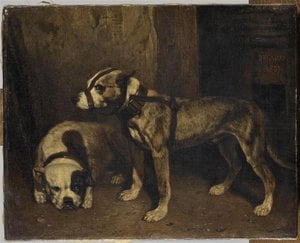
- CHIENS BRIFAUTS: Een charmante orientalistische scène die honden toont in een levendige omgeving.
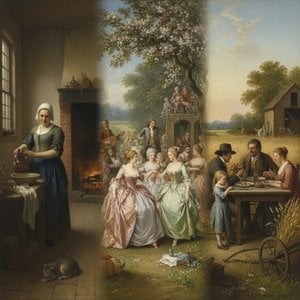
- LA COUR DE FERME: Een meeslepend 19e-eeuws schilderij dat het Franse romantisme combineert met historische details.
- L’ÉCOLE TURQUE: Een levendige weergave van een Turkse school, die de energie en atmosfeer van het dagelijks leven vastlegt.
- PAYSAGE TURC: Een sereen landschap dat realisme en romantiek verkent in een Franse setting.



 Voorvertoning
 Bestel handgeschilderde reproductie
 Verstuur
 Delen
Delen
 Details bekijken

 Download
 Vergelijkbare items
 Röntgenonderzoek
 Diavoorstelling
 Statistieken

 Lees meer






































 De optie voor glas is alleen beschikbaar bij een formaat kleiner dan 110 cm.