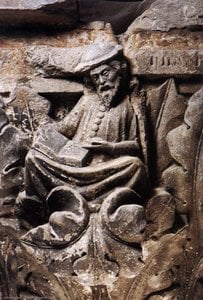
Late Medieval autoriai, ranked

99 Famous Late Medieval Autoriai: The Definitive Ranking

The most famous Late Medieval autorius is Simone Martini (1284–1344), known for Maestà (Madonna with Angels and Saints) ir Patarimas ir du šventoji. Next come Andrejus Rubliovas, Ambrogio Lorenzetti, Pietro Lorenzetti ir Hubertas Van Eyckas. This ranking of the 99 most famous Late Medieval autoriai runs from Yuan Dynasty (born 1271) to Hubertas Van Eyckas (born 1366), across 23 countries.

How this list is ranked. Artists whose works our catalogue files under Late Medieval, in the order of our fame ranking of artists. Artists without a Wikidata identifier born after 1955 are left out until verified. The Wikipedia figure next to each name is the number of our 32 languages in which Wikipedia has an article on the artist.

  1. Maestà (Madonna with Angels and Saints) – Simone Martini kūrinys1Simone Martini
  2. Holy Trinity – Andrejus Rubliovas kūrinys2Andrejus Rubliovas
  3. Bad Government and the Effects of Bad Government on the City Life – Ambrogio Lorenzetti kūrinys3Ambrogio Lorenzetti

The essentials

Late Medieval at a glance

  • 99Autoriai
  • 1271–1366Gimimo metai
  • 23Gimimo šalys
  • 1Moterys
  • 5Gyvybės menininkai
  • 1.514Darbai mūsų kataloge
Miestai su didžiačiu gimimų skaičiumi
Siena (13), Florence (8), Florencija (6), Modena (3)
Muziejai, kuriuose saugoma daugiausia pagrindinių veikalų
Metropolitano meno muziejus (16), Harvard Art Museums (6), Gemäldegalerie (5), Galleria degli Uffizi (4)
Šios sąrašo moterys
Mother Julian

Ranked, with their masterpieces

The ranking: 99 Late Medieval Autoriai and their key works

1of 99

Simone Martini

Italijonas Born in Siena Tarptautinė gotika Wikipedia in 28/32 languages

Simone Martini

Simone Martini; apie 1284–1344) – XIV a. italų protorenesanso dailininkas iš Sienos, gotikinio stiliaus atstovas. Manoma, kad Simonė Martinis gimė Sienoje 1280–1285 m. laikotarpyje. Tik 1316 m. freska „Maesta“ Palazzo Pubblico rūmuose (to meto Sienos miesto vyriausybės rūmai) yra datuota ir jo paties pasirašyta.

Teacher of Lippo Memmi #10

Key works · The 100 most famous works

2of 99

Andrejus Rubliovas

Rusijos Born in Maskvos Didžioji Kunigaikštystė Rusijos ikonų tapybos stilius Wikipedia in 31/32 languages

Andrejus Rubliovas

Andrejus Rubliovas (apie 1360–1430 m.) išlieka viena paslaptingiausių ir giliausių įtakų kūrėjų rusijos meno istorijoje. Jo mokymasis pas Teofano Graiką, žinomą Bizantijos ikonų tapybos meistrą, migrantavusį į Rusiją, jam suteikė neįvertinjamą pagrindą tą laikotarpį apibrėžiančios technikos ir stiliaus konvencijoms.

Key works · The 100 most famous works

3of 99

Ambrogio Lorenzetti

Itališkas Born in Siena Sienos mokykla Wikipedia in 29/32 languages

Ambrogio Lorenzetti

Ambrogio Lorenzetti, gimęs apie 1390 metus Italijos Sienos šimroje, tapo veikliusia figūra pereinamųjų laikų nuo viduramžių meno tradicijų iki pradinės Renesanso swornės. Nors periodais jis buvo prislėgtas tokių samtvorių kaip Duccio ar Simone Martini, o dažnai diskutuojamas kartu su savo broliu pavešliu Pietro Lorenzetti, Ambrogio iškovojo unikalią kelią – kelią, pasižymintį inovatyviu dvasia ir giliu ryšiu su aplinkine pasaulio aplinka.

Key works · The 100 most famous works

4of 99

Pietro Lorenzetti

Italijus Born in Siena Vėliausias renesansas Wikipedia in 27/32 languages

Pietro Lorenzetti

Pietro Lorenzetti (apskr. 1280–1348) yra viena svarbiausių Sienos meno figūrų, pažymėjusi gilią perėjimą nuo gotikybės formalizmo prie augančių ankstyvojo Renesanso humanistinių idealų. Gimęs gyvybingame kultūrinėje Sienos kraštovydėje apie 1280 m., Lorenzetti kūrybinė kelionė išskleisdavo Toskanos intelektualios ir meninės transformacijos laikotarpiu.

Key works · The 100 most famous works

5of 99

Hubertas Van Eyckas

Holandietis Born in Maseikas Rašėjęs neterlandiški Wikipedia in 20/32 languages

Hubertas Van Eyckas

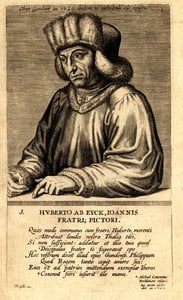
Ramiose, miglotomis užlietuose XV amžiaus pradžios kraituose, Flandrijos dirbtuvėse tyliai plaukia revoliucija. Šios transformacijos širdyje stovi Hubert van Eyck – figūra, kurio vardas įrašytas į Šiaurinės renesanso meno pamatus. Gimęs Maasike apie 1385 ar 1390 m., jis buvo neįtikėtinai galingos meninės dinastijos dalis; jo šeimos ryšiai, įskaitant garsiąjį brolį Janą bei sesį ir brolį Lambertą bei Margaretą, suformavo kūrybinę ugnį, kuri amžinai pakeitė Europos tapybos kryptį.

Key works · The 100 most famous works

6of 99

Taddeo Gaddi

Italų Born in Florencija Tarpinis Renesansas Wikipedia in 23/32 languages

Taddeo Gaddi

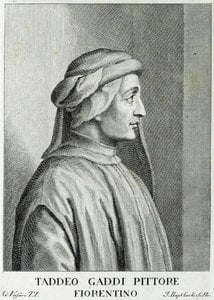
Gyvybingoje, augančioje XIV amžiaus Firencijos atmosferoje – laikotarpyje, apibūdinamo perėjimo nuo viduramžių prie ankstyvojo Renesanso – Taddeo Gaddi iškilo kaip šviesos, naratyvo ir architektūrinio didžio meistras. Kaip vienas iš iškiliausių legendinio Giotto di Bondone mokiniai, Gaddi ne tik paveldėjo stilių; jis išplėtė savo eros vizualinį kalbą.

Teacher of Agnolo Gaddi #7, Jacopo Del Casentino (Jacopo Landino) #51

Key works · The 100 most famous works

7of 99

Agnolo Gaddi

Born in Florencija Wikipedia in 20/32 languages

Agnolo Gaddi

Agnolo Gaddi, gimęs Florencijoje apie 1350 metus, užima fascinuojanę, lūžio vietą užimantį poziciją Italijos tapybos istorijoje. Jis nebuvo tik vienas iš dailininkų; jis buvo galingos kilmės paveldėjas, Taddeo Gaddi sūnus, pats buvęs ištikimo ir talentingo revoliucionieriaus Giotto di Bondone mokinio. Šis šeimyninis ryšys Agnolo iškart įtraukė į meninės inovacijos epicentrą, kuri Florenca tapo XIV amžiuje.

Pupil of Taddeo Gaddi #6

Key works · The 100 most famous works

8of 99

Teofanas Graikas

Graikas Born in Stambulas Bizantinė ikonografija Wikipedia in 22/32 languages

Teofanas Graikas

Gimęs Konstantinopolyje apie 1340 metus, nors dėl vėlesnių veiklos dėl dažnai siekiamas su Graikija, Teofanas buvo veiksnys, sujungęs paskutinį Bizantijos meno žydėjimo laiką su pradinėmis Rusijos tradicijų sūkuriais. Vėlyvųjų XIV amžiaus politinis neramumas tikriausiai paskatino Teofano persikelimą iš Konstantinopolio. Apie 1395 metus jis kartu su Andrei Rublevu, dar viena ikonine Rusijos pravasaldės meno figūra, atvyko į Novgorodą – galingą Rusijoje esantį miestą. Šis partnerystė tapo transformatyva Rusijos ikonografijos vystymui.

Key works · The 100 most famous works

9of 99

Paolo Veneziano

Italių Born in Venecija Bizantinis įtaka ir gotikos menas Wikipedia in 15/32 languages

Paolo Veneziano

Paolo Veneziano (apie 1333–1358) yra monumentali figūra Venecijos meno istorijoje, visame pasaulyje pripažįstama kaip svarbiausias XIV amžiaus venecijos paveislininkas. Gimęs meninei linijai pačioje Venecijos širdyje – jo tėvas taip pat buvo žymus meistras – Veneziano trumpa, bet šviesiai brilliantuojančia karjera sutapė su transformatyviuoju Europos tapybos laikotarpiu. Veneziano meninės pasiekčių viršūnė galbūt ryškiausiai išraiškoma jo dalyvavime kūryboje Pala Feriale, arba savaitės šventės altariui, kuris buvo užsakytas prestižinei Venecijos Šv.

Key works · The 100 most famous works

10of 99

Lippo Memmi

Italas Born in Siena Tarptautinė gotika Wikipedia in 17/32 languages

Lippo Memmi

Lippo Memmi, gimęs apie 1291 metus Sienos mieste Italijoje, yra svarbiausias menininkas perėjimo laikotarpiu nuo viduramžių tapybos, įsišaknijusios Bizantijos tradicijose, prie žydinčios Internacionalinės Gotikos stilistikos. Nors dažnai kalbama jo garsaus svainio ir mentoriaus Simone Martini kontekste, naujausi moksliniai tyrimai vis labiau pabrėžia Memmi savitą meninę balsą ir reikšmingą indėlį į XIV amžiaus Sienos meno raidą.

Pupil of Simone Martini #1

Key works · The 100 most famous works

12of 99

Spinello Aretinas

Italijonas Born in Arecas Ryšys tarp Giotto mokyklos ir Sienos mokyklos Wikipedia in 16/32 languages

Spinello Aretinas

Gimęs auksininkų šeimoje, jis iš tikrųjų buvo Spinello Di Luca Spinelli, tačiau istorijai tapo žinomas pseudonimu „Aretino“, atitinkančiu jo ryšį su Arezu. Pirmejos metais jis dirbo skriaudžiuose Florencijos dirbtuvėse, prisidedėdamas prie monumentalų kūrinių, tokių kaip freskos Carmine ir Santa Maria Novella bažnyčiose. Mežiu tarp 1360 ir 1384 metų didžioji jo darbo dalis buvo skirta Arezo apylinkių bažnyčioms ir kraštovidei, nors daugelis šių darbų tragiškai prarasti laiko valdomos.

Pupil of Jacopo Del Casentino (Jacopo Landino) #51 · Teacher of Lorenzo di Bicci #32

Key works · The 100 most famous works

13of 99

Bernardo Daddi

Itališkas Born in Florencija Renesansas (ankstyvasis) Wikipedia in 17/32 languages

Bernardo Daddi

Bernardo Daddi, gimęs Florencijoje apie 1290 metus ir miręs 1348 m., yra viena esminių figūrų pereinamajam laikotarpiui nuo vėlyvo gotikos iki pradinio Italijos Renesanso.

Key works · The 100 most famous works

14of 99

Andrea Pisano

Italijos Born in Pontekorvo Gotika

Andrea Pisano

Andrea Pisano (approx. 1290 – 1348 Orvieto) yra monumentali Italijos Renesanso skulptūros veikla, tačiau jo meninio palikimas neatsiejama nuo ankstesniojo gotikos laikotarpio ir buvo giliai įformintas revoliucinės Giotto di Bondone įtakos.

Key works · The 100 most famous works

15of 99

Niccolò Di Tommaso

Italijos Born in Firena Anslingasis Renesansas

Niccolò Di Tommaso

He demonstrated a particular skill in depicting religious scenes – notably the Coronation of the Virgin, now housed in the Accademia in Venice, and the harrowing Massacre of the Innocents, preserved in the Uffizi Gallery in Florence. The Madonna del Parto within the church of San Lorenzo, Florence, further exemplifies his sensitivity to maternal tenderness and spiritual devotion.

Key works · The 100 most famous works

16of 99

Ni Zan

Kinijos Born in Usis Yuan dinastijos ketri meistrai Wikipedia in 15/32 languages

Ni Zan

Ni Zan, garsus kinietų tapystoras, gimė 1301 metais prabangi šeimonej Wuxi mieste. Jo garbės vardas buvo yuan zhen (元鎮), o jo meno vardai – yun lin zi (雲林子), huan xia sheng (幻霞生), ir jing man min (荊蠻民). Nors jis gimė jau po Kublai kano mirties, Ni Zan šeima galėjo saugoti rigoristią konfucienistinę eğitimą jam.

Key works · The 100 most famous works

17of 99

Andrea Di Cione Di Arcangelo (Orcagna)

Italijonas Born in Florencija Gotikos-vėlioji gotika

Andrea Di Cione Di Arcangelo (Orcagna)

Andrea Di Cione Di Arcangelo (Orcagna), istorijai žinomas įspūdingu pseudonimu Orcagna, yra viena įtakingiausių figūru Florentinos meno vidurinio XIV amžiaus laikotarpiu – periodu, pasižyminčiu įdomiu gotiškojo ir vėliavosjo gotikos meno tradicijų susidvejimu. Gimęs apie 1308 metais počiuje Florencijos, jis iškilo iš šeimos, glaudžiai įsiukurtintos prestižingoje miesto amatininkų kultūroje.

Key works · The 100 most famous works

18of 99

Orcagna

Itališkos kilmės Born in Firena Gotikos-vėlioji gotika Wikipedia in 20/32 languages

Orcagna

Vardas Orcagna – pavadinimas, suteiktas jam vietos amatininkų – apima neįtikėtiną asmenį itallijos meno istorijoje: Andrea di Cione, dailininką, skulptorių, architektą ir meistro darbuotoją, kuris dominavo Florencijos meno kraštovėje XIV amžiaus pendoje.

Pupil of Andrea Pisano #14

Key works · The 100 most famous works

19of 99

Giovanni Da Milano

Born in Lombadija

Giovanni Da Milano

Gimęs Lombardijoje apie 1346 m., Giovanni di Jacopo di Guido da Caversaccio savo meninę kelią daugiausia kūrė gyvybingoje Florencijos kultūros eroje, tuo metu, kai įvykdomi buvo didžiuliai pokyčiai ir inovacijos.

Key works · The 100 most famous works

21of 99

Wang Meng

Chinese Born in Huzhou Yuan Dynasty Landscape Painting Wikipedia in 14/32 languages

Wang Meng

Unlike the more restrained approaches of his contemporaries, Wang Meng’s paintings are characterized by an extraordinary density and dynamism. His brushstrokes—often described as “ropy” or “layered”—were meticulously applied in thick, overlapping patterns, creating a palpable sense of texture and movement. Wang Meng’s style was profoundly influenced by the landscape painters who preceded him – Wang Wei, Dong Yuan, and Juran – but he developed his own distinctive voice through his innovative use of brushwork and composition.

Key works · The 100 most famous works

23of 99

Nicolas Bataille

French Medieval Art, Religious Paintings

Nicolas Bataille

Yet, within this tradition flourished an artist of startling intensity and dramatic vision – Nicolas Bataille (c. 1330-1405). He was born around 1330 in Paris, likely as the son of an architect, a profession that may have instilled within him an appreciation for structure and design. The depiction of Babylon’s destruction reflects the prevailing fears about political instability and social decay in 14th-century France.

Key works · The 100 most famous works

24of 99

Lorenzo Veneziano

Italijus Born in Venecija Bizantijos mena Wikipedia in 11/32 languages

Lorenzo Veneziano

Metai 1336 įsivaizdoje italijos meno pejzaže, neatsiejiai susiję su misteriu apraidinčiu garsu – 1336 m. meistru. Šio menininką, tiksliau vadinamą Giovanni Lipini, vardas, gaunamas iš milgėjuo fresko, pavaizduojančio Merryn Marią Pistoje, suteikia pagrįstą žvilgsį į jo kilmę ir ilgalaikį įtaką. Giotto įtakta, perduota per menininkus kaip Maso di Banco ir Puccio di Simone, visi aktyvi Pistoje šiuo periodu, paformavo meistro požiūrį – nuostabius formalios struktūros ir išreikštinio intensyvumo sintezę.

Key works · The 100 most famous works

25of 99

Segna Di Buonaventure

Italian Trecento

Segna Di Buonaventure

However, unlike Duccio’s often exuberant and emotionally charged compositions, Segna’s paintings possess a more restrained elegance, characterized by a sense of solemnity and a focus on formal clarity. It’s believed that Segna spent time in Florence during this period, absorbing influences from the burgeoning Florentine school, which was beginning to experiment with linear perspective and naturalistic representation. Segna's artistic journey is believed to have begun under the tutelage of his uncle, Duccio di Buoninsegna, a towering figure in Sienese painting.

Key works · The 100 most famous works

27of 99

Ugolino Di Nerio

Itališkas Born in Siena Sienos paveikslasčių stilius Wikipedia in 13/32 languages

Ugolino Di Nerio

Ugolino di Nerio – vardas, kuris dažnai praleidžiamas pagrindiniuose menhistoriškosios naratyvo tekstuose, iškyla kaip esminė figūra spariejant šiame meniniame kraštode, apimant Sieną ir Florenciją 1320-aisiais metais. Gimęs apie 1280 metus paveikių šeimoje – jo tėvas buvo Guido, o broliai – Muccio ir Ugolino – jis iškilė kaip nepriklausomas meistras, palikęs paveldą iš jaudinančių veikaluose, kurie tapo tiltu tarp griežtos italo-bizantinės tradicės formalityių ir pradinio sienos paveikių naturalizmo dvasios.

Key works · The 100 most famous works

28of 99

Taddeo di Bartolo

Italian Born in Siena Early Renaissance Wikipedia in 13/32 languages

Taddeo di Bartolo

Architectural Precision: The use of structured backgrounds to ground holy figures within a tangible, albeit idealized, reality. In works such as his Virgin and Child with Saints, one can witness the evolution of his hand—moving from the more rigid, ornamental patterns of the late Gothic style toward a more robust and naturalistic approach. The historical significance of Taddeo di Bartolo lies in his role as a custodian of Sienese identity during a period of immense change.

Key works · The 100 most famous works

29of 99

Lippo Di Benivieni

Italian Born in Florence Early Quattrocento

Lippo Di Benivieni

Despite the paucity of surviving paintings attributed to Lippo di Benivieni, his influence is palpable in several significant frescoes adorning churches throughout Siena and San Gimignano. Madonna and Child Panel Painting: A monochrome panel depicting Mary holding the infant Jesus exemplifies Lippo’s mastery of technique—particularly his ability to achieve remarkable tonal gradation using tempera on wood. Furthermore, his work serves as an exemplar of early Quattrocento painting—a transitional phase between Gothic formalism and Renaissance naturalism —demonstrating Lippo’s willingness to embrace new stylistic approaches while retaining core aesthetic principles.

Key works · The 100 most famous works

30of 99

Zhao Yuan

Chinese Landscape painting

Zhao Yuan

Like Wang Meng, Zhao Yuan embraced a dense, complex compositional structure characterized by layered mountains, gnarled trees, and meticulously rendered details. Beyond Wang Meng, echoes of earlier masters like Fan Kuan (c. 937-1020), renowned for his monumental landscapes and powerful brushwork, can also be detected in Zhao Yuan’s treatment of rock formations and atmospheric effects. His most significant debt is undoubtedly to Wang Meng (1308-1383), one of the last great masters of the Yuan dynasty.

Key works · The 100 most famous works

31of 99

Andrea Di Bartolo

Italian Born in Siena Sienese School Wikipedia in 12/32 languages

Andrea Di Bartolo

Working alongside luminaries such as Luca di Tommè, he contributed to significant communal works, including an altarpiece for the shoemaker's guild in the cathedral of Siena, marking his first documented presence in the annals of art history.

Key works · The 100 most famous works

32of 99

Lorenzo di Bicci

Italian Florentine School

Lorenzo di Bicci

This preference for light is not merely aesthetic; it reflects a deeper philosophical shift – a move towards celebrating the beauty and dignity of human life. He skillfully employed perspective, though not with the mathematically precise rigor of later Renaissance artists, creating a sense of depth and spatial awareness through subtle variations in scale and detail. He is considered a crucial link between the late Gothic style of his predecessors and the groundbreaking innovations of artists like Masaccio and Botticelli.

Key works · The 100 most famous works

33of 99

Melchior Broederlam

Belgian Born in Ypres Early Netherlandish Painting Wikipedia in 15/32 languages

Melchior Broederlam

By integrating the sculptural solidity learned from masters like Claus Sluter with the fluid grace of the International Gothic style, Broederlam helped forge a new visual vocabulary. As the favored painter to powerful patrons such as Louis de Mâle, Count of Flanders, and later the formidable Philip the Bold, Duke of Burgundy, his work became a visual manifestation of ducal prestige.

Key works · The 100 most famous works

34of 99

Lorenzo Di Bicci

Italijus Born in Florencija Florencių mokyklos Wikipedia in 8/32 languages

Lorenzo Di Bicci

Nors biografiniai duomenys išlieka retuvių—jo tėvo asmenybė uždengta neapibrėžiamumu—mokslininkų konsensusas tvirtai nustatė, kad Lorenzo mokėsi pasirengęs iš Jacopo di Cione ir Andrea di Cione, menininkų, kurių stiliaus į新ovacijos žymiai paformavo jo kūrybos kryptį. Šis paveldas panašino jį į aktyvią aplinkę, pažangią dėl spalvų paletų eksperimentavimu ir kompozicionios spindulio, atspindėdamas šio laikmečio platesnius tendencijas.

Key works · The 100 most famous works

35of 99

Gherardo Starnina

Italian Born in Florence Venetian Renaissance Wikipedia in 12/32 languages

Gherardo Starnina

The enduring impact of Gherardo di Jacopo Starnina can be summarized through several key artistic contributions: Stylistic Synthesis: The seamless blending of Florentine emotional realism with Venetian decorative splendor.

Key works · The 100 most famous works

36of 99

Jean Pucelle

French Early Gothic painting

Jean Pucelle

Emerging during the turbulent and transformative reign of Philip IV, Pucelle rose from the workshops of Paris to become the preeminent manuscript illuminator of his generation.

Key works · The 100 most famous works

37of 99

Andrea Di Bonaiuto (Andrea Da Firenze)

Italijus Born in Florencija Toskanų dailė Wikipedia in 12/32 languages

Andrea Di Bonaiuto (Andrea Da Firenze)

Florencijoje ir miręs ~1368 m., Orcagna nebuvo tik paprastas meistras; jis buvo kreipiamas veikėjas, sujungęs stilistinius pokyčius tarp Giotto natūralizmo ir formalizuotų Bizantijos meno tradicijų, taip nustatydamas florentinio tapybos trajektoriją dešimtmečiams į priekį. Jis įstojo į Arte dei Medici e degli Speziali (gydybų ir vaistininkų giliją) apie 1343–4ng4 m., kas buvo įprasta kelionė menininkams, siekiantiems profesinės pripažinties ir užsakymų.

Key works · The 100 most famous works

38of 99

Guariento di Arpo

Italian Born in Piove di Sacco Early Renaissance; Venetian painting; Gothic art Wikipedia in 12/32 languages

Guariento di Arpo

Guariento di Arpo (c. 1310–1370) stands as a monumental figure of the Trecento, acting as the essential bridge between the grounded, volumetric realism of Florence and the ethereal, ornamental splendor of the Venetian Gothic tradition.

Key works · The 100 most famous works

39of 99

Giovanni Del Biondo

Italian Born in Pratovecchio Gothic & Early Renaissance Wikipedia in 10/32 languages

Giovanni Del Biondo

The true significance of Giovanni del Biondo lies in his ability to maintain a distinctive, recognizable style amidst a sea of changing influences.

Key works · The 100 most famous works

40of 99

Klausas Sluteris

olandas Born in Harlėmas Šiaurės realizmas

Klausas Sluteris

Claus Sluteris (apie 1350–1406 m.) yra vienas įtakingiausių savo laikmečio skulptorių, pažymintis kritinę jungtį tarp gotikos ir renesanso meninės tradicijos Šiaurės Europoje. Jo vardo įrašas Bruxelio akmensdebių gilėjų registre apie 1379–1380 m. patvirtina jo profesinį veikimą ir pabrėžia meistriškumo svarbą viduramų meninėje kultūroje.

Key works · The 100 most famous works

42of 99

Jacopo di Cione

Italian Born in Florence Gothic Wikipedia in 7/32 languages

Jacopo di Cione

His commitment to procuring marble for the cathedral underscored his understanding of artistic grandeur and civic responsibility. Furthermore, he continued to secure patronage from influential families like the Albizzi, ensuring that Florentine art would endure as a symbol of prestige and cultural achievement. The dispersed predella depicting scenes from Saint Peter’s life – a collaborative effort with Niccolò di Pietro Gerini – remains a poignant reminder of Jacopo's artistic legacy and the enduring power of Florentine Gothic art.

Key works · The 100 most famous works

43of 99

Bartolo Di Fredi

Italian Born in Siena Sienese School Wikipedia in 13/32 languages

Bartolo Di Fredi

XIV amžiaus Toskanos šimteryje, laikotarpyje, apibūdinamo perėjimo nuo eterinio gotikos eros stilingumo prie pradedančiojo Renesanso humanizmo, Bartolo di Fredi iškilo kaip šviesos ir naratyvo meistras. Gimęs Sienoje apie 1330 metus, jis buvo ne tik paveikslų kūrėjas; jis buvo tiltas tarp dviejų pasaulių.

Key works · The 100 most famous works

44of 99

Conrad von Soest

German Born in Dortmund International Gothic soft style Wikipedia in 13/32 languages

Conrad von Soest

In the twilight of the fourteenth century, a transformative artistic energy began to pulse through the prosperous Hanseatic city of Dortmund, finding its most profound expression in the hands of Conrad von Soest. Completed around 1420, this monumental triptych stands as a pinnacle of the International Gothic style.

Key works · The 100 most famous works

45of 99

Tuthmosis

Egyptian Born in Amarna Amarna art style

Tuthmosis

Tuthmosis’s mastery lay not only in capturing likeness but also in skillfully manipulating stone. He primarily worked with fine-grained limestone, a material readily available in the quarries surrounding Amarna. The Amarna period, largely due to the work of artists like Tuthmosis, marked a significant departure from traditional artistic conventions, paving the way for subsequent developments in sculpture and portraiture.

Key works · The 100 most famous works

46of 99

Giovanni da Milano

Italian Born in Valmorea Italian Gothic Wikipedia in 13/32 languages

Giovanni da Milano

In the bustling streets of Florence, where the air was thick with the scent of fresh pigment and the echoes of a changing era, a painter named Giovanni di Jacopo di Guido da Caversaccio began to make his mark. Hailing from Lombardy, he arrived in Tuscany as a man seeking his fortune, appearing in the city's records as Johannes Jacobi de Commo.

Key works · The 100 most famous works

47of 99

Master Bertram

German Born in Minden International Gothic Wikipedia in 13/32 languages

Master Bertram

It is believed that Bertram was influenced by both French and Netherlandish artistic trends prevalent during his time. Despite these influences, Bertram maintained a uniquely Northern German sensibility, imbuing his work with a sense of regional identity. While sharing similarities with other artists of the period, such as Master Francke (another prominent Hamburg painter), Bertram's work possesses a distinct character—a subtle restraint in emotional expression compared to Francke’s more overtly dramatic approach.

Key works · The 100 most famous works

48of 99

Agostino Di Giovanni

Italian Born in Siena Gothic architecture/sculpture

Agostino Di Giovanni

Giorgio Vasari, the celebrated Renaissance art historian, initially placed Agostino within the orbit of Giovanni Pisano’s workshop, suggesting a formative apprenticeship under this master sculptor. However, modern scholarship proposes a more nuanced lineage, positing that his early training likely occurred with Camaino di Crescentino, father to Tino di Camaino, another influential figure in Sienese sculpture. His exact date of death remains unknown, though records indicate he was no longer living as of June 27, 1347—a period marked by the devastating impact of the Black Death.

Key works · The 100 most famous works

49of 99

Ashikaga Yoshimitsu

Born in Kyoto

Ashikaga Yoshimitsu

He employed elaborate rituals, symbolic imagery, and monumental architecture – like Kitayama-dono – to portray himself as a universal monarch or dharma king, mirroring rulers in Southeast Asia. His posthumous name was Rokuon'in (鹿苑院), further cementing his place in Japanese history. Late in his career, Yoshimitsu increasingly sought to legitimize his power through the lens of Buddhist kingship.

Key works · The 100 most famous works

50of 99

André Beauneveu

Netherlandish Born in Valenciennes Pucellian revival

André Beauneveu

In 1386, Beaunever accepted the prestigious role of superintendent of all painting and sculpture for the Duke, a position that placed him at the heart of one of Europe's most vibrant cultural epicenters. His technical achievements are best observed in the following areas: Illuminated Manuscripts: In works such as the Psalter of Jean de Berry and his depictions of figures like King David, Beauneveu demonstrated an extraordinary ability to use light and shadow to create a sense of three-dimensional volume on parchment.

Key works · The 100 most famous works

51of 99

Jacopo Del Casentino (Jacopo Landino)

Italian Born in Florence Renaissance

Jacopo Del Casentino (Jacopo Landino)

Technical Innovation: Early mastery of light, shadow, and the illusion of volume. In the annals of Italian art, Jacopo remains a luminous figure, a painter who captured the very essence of Florentine devotion. The origins of his artistry are deeply rooted in the Florentine milieu, likely shaped by the influential circle surrounding the Master of St.

Key works · The 100 most famous works

52of 99

Musō Soseki

Japonas Born in Isės žemė Zen budizmas Wikipedia in 12/32 languages

Musō Soseki

Musō Soseki, viena iš ryškiausių Japonijos meno ir spiritualizmo figūrų, gimė 1275 metais, o mirė 1351 m. spalio 20 dieną. Kaip Rinzai Zen budistų vienuolis ir mokytojas, jis paliko neištrinamą pėdomatį kaligrafijos, poezijos ir sodų projektavimo pasaulyje. Jo indėlis į Japonijos meną yra daugiasluoknis, atspindintis tiek kiniškas įtargas, tiek išskirtines Japonijos tradicijas.

Key works · The 100 most famous works

53of 99

Francesco Traini

Italian Born in Pisa Gothic Art Wikipedia in 11/32 languages

Francesco Traini

Orcagna's Legacy: Andrea Orcagna’s influence is undeniable in Traini’s compositional strategies and expressive dynamism. Orcagna championed the concept of “naturalis dispositio,” prioritizing spatial realism to communicate theological ideas effectively—a principle that Traini wholeheartedly embraced.

Key works · The 100 most famous works

54of 99

Vitale Da Bologna

Italian Born in Bologna International Gothic Wikipedia in 12/32 languages

Vitale Da Bologna

His legacy is found in: The Synthesis of Styles: The seamless integration of Riminese color palettes with Giottesque structural depth. As we look back upon his prolific career, Vitale remains a cornerstone of Italian art, a painter who captured the transition from the medieval soul to the Renaissance mind with unparalleled grace and spiritual power. His works, scattered across prestigious locations such as Pomposa Abbey and Udine Cathedral, serve as windows into a world where the divine and the earthly were intimately entwined.

Key works · The 100 most famous works

55of 99

Sheikh Zain Al-Din

Kurdish Born in Erbil Company Style

Sheikh Zain Al-Din

Zain al-Din’s prominence grew during a period of significant change in India, as the power of the Mughal Empire waned and British influence expanded. This era saw the emergence of what is now known as the “Company style” of painting—a hybrid aesthetic favored by British officials and collectors who sought realistic depictions of Indian life, flora, and fauna. The Ashmolean Museum in Oxford holds several examples of his work, including exquisite depictions of mountain-rats, hanging bats, parrots, and storks—each painting a miniature world unto itself.

Key works · The 100 most famous works

56of 99

Pere Serra

Spanish Gothic-Italian

Pere Serra

Born around 1357 and passing away in 1406, his life coincided with a period of significant artistic and cultural change across Europe, yet he maintained a distinctly Catalan sensibility throughout his career. The city was a vibrant hub for trade and artistic exchange, exposed to influences from Italy, France, and Flanders.

Key works · The 100 most famous works

57of 99

Aztekų Imperija

Meksikankiška Born in Tenochtitlano Mesoamerikinis menas

Aztekų Imperija

Gimę XIV amžiaus pradžioje Tenochtitlane, Aztekų imperijos širdyje, aztekų meninės tradicijos buvo giliai įsišaknijusios ankstesnių Mesoamerikos civilizacijų palikime. Olmekai su savo kolosališkais galvų skulptūrais ir sudėtingomis kalendrių sistemomis, Teotihuakano gyventojai, garsėdami milžiniškais piramidais ir miesto planavimu, bei Toltekai – metalurgijos ir skulptūros meistrai – visi prisidėjo į tą turtingą meninį audinį, kurį paveldėjo aztekai.

Key works · The 100 most famous works

59of 99

Marco Di Paolo Veneziano

Italian Byzantine-influenced art; Gothic art

Marco Di Paolo Veneziano

Born into a lineage of painters, likely the son of Martino and brother to Marco, Paolo’s very existence was woven into the fabric of Venetian artistic tradition. His formative years were steeped in the luminous, spiritual grandeur of Byzantine art, a tradition brought to the Venetian lagoons through trade and deep ecclesiastical ties to Constantinople. His ability to blend the following elements created a style that was uniquely "Venetian": Luminous Color Palettes: Drawing from the Byzantine tradition to create depth and spiritual radiance.

Key works · The 100 most famous works

62of 99

Ferrer Bassa

Catalan Born in Avinyonet del Penedès Gothic painting

Ferrer Bassa

Born around 1285 in the small town of Avinyonet del Penedès, his early life remains shrouded in some mystery, yet the documented evidence reveals a trajectory marked by both diligent craftsmanship and royal favor. His ability to synthesize diverse stylistic elements—French elegance, Sienese refinement, and Giottesque drama—resulted in a visual language that was both innovative and deeply rooted in its cultural context.

Key works · The 100 most famous works

63of 99

Tommaso Da Modena

Italian Born in Modena Late Gothic Wikipedia in 15/32 languages

Tommaso Da Modena

Tommaso Barisini, commonly known as Tommaso da Modena and sometimes referred to as Tomaso Baffini (c. 1325 – 1379), stands as one of the most prominent figures in Northern Italian painting during the mid-14th century—a period marked by burgeoning artistic innovation and profound spiritual reflection. His unwavering commitment to naturalistic representation—coupled with his masterful command of perspective—established a precedent for Renaissance artists seeking to emulate the grandeur and clarity of classical art forms.

Key works · The 100 most famous works

64of 99

Jacopo Avanzi

Italian Born in Bologna Renaissance, Proto-Renaissance

Jacopo Avanzi

D'Avanzi’s style occupies a fascinating position within the transition from Gothic art to the early Renaissance. He wasn’t alone in this pursuit; Altichiero da Zevio, with whom he frequently collaborated, shared similar artistic concerns.

Key works · The 100 most famous works

65of 99

Paolo Di Giovanni Fei

Born in San Quirico d'Orcia Wikipedia in 10/32 languages

Paolo Di Giovanni Fei

Pietro Lorenzetti, gimęs apie 1280 metus ir tragiškai miręs 1348 m. slogios Juodosios mirties pandemijos metu, išlieka esmine figūra itališkosios paveiros evoliūcijoje. Jo gyvenimas, nors ir tragiškai trumpas, tapo liudininku dramatiško meninės jautrumo pasikeitimo Sienoje, kurį didžiąja dalį lemė bendradarbiavimas su jaunesniuoju broliu, Ambrogio Lorenzetti, bei jų susitikimas su inovatyviomis Giotto ir Giovanni Pisano technikomis.

Key works · The 100 most famous works

66of 99

Giottino

Italian Born in Florence Early Italian painter Wikipedia in 14/32 languages

Giottino

His output includes a variety of formats, from devotional panels to architectural elements: Frescoes: The narrative cycles in the San Silvestro chapel, Santa Croce, Florence. Sculpture and Architecture: A marble statue located on the Florentine campanile and various works attributed to his hand in the Florentine school.

Key works · The 100 most famous works

67of 99

Wu Zhen

Yuan dynasty Born in Jiashan County Wikipedia in 12/32 languages

Wu Zhen

The brush of Wu Zhen moved with a particular intent, seeking to capture the essence of the natural world through landscape paintings and the delicate forms of bamboo. He achieved a rare unity known as the Three Perfections, where the boundaries between different disciplines began to dissolve. His influence reached far beyond his own lifetime, as he was recognized as one of the Four Yuan Masters, alongside Huang Gongwang, Ni Zan, and Wang Meng.

Key works · The 100 most famous works

68of 99

Jacopo del Casentino

Florentine Born in Florence Later Gothic Wikipedia in 10/32 languages

Jacopo del Casentino

His later Gothic style reflects this integration of Sienese elements. The tension between these traditions defines his artistic output: The foundational weight of Giotto’s legacy.

Pupil of Taddeo Gaddi #6

Key works · The 100 most famous works

69of 99

Giusto De' Menabuoi

Italian Born in Florence Early Renaissance Wikipedia in 12/32 languages

Giusto De' Menabuoi

Menabuoi’s distinctive style transcends simple categorization, reflecting a complex interplay between Byzantine iconography and Florentine Proto-Renaissance aesthetics. Unlike many of his contemporaries who embraced the burgeoning realism championed by artists like Altichiero and Jacopo d'Avanzi, Menabuoi prioritized conveying spiritual emotion over meticulous anatomical accuracy—a hallmark of Giotto’s artistic vision. Giotto's Legacy: As a student of Giotto, Menabuoi absorbed Giotto’s expressive technique—characterized by elongated figures and emotionally charged gestures—establishing a crucial link between Florentine artistic tradition and Byzantine influences.

Key works · The 100 most famous works

70of 99

Jacquemart de Hesdin

French Born in Hesdin International Gothic Wikipedia in 13/32 languages

Jacquemart de Hesdin

Grandes Heures: Another important illuminated manuscript commissioned by the Duke of Berry. Petites Heures: A smaller-scale book of hours, also demonstrating Jacquemart’s skill in illumination. Historical Significance: Jacquemart de Hesdin played a vital role in the artistic renewal during the late 14th and early 15th centuries.

Key works · The 100 most famous works

71of 99

Matteo Giovanetti

Italian Born in Viterbo Early Italian Renaissance

Matteo Giovanetti

In the heart of fourteenth-century Italy, amidst the spiritual awakening of the early Renaissance, the name Matteo Giovanetti emerged as a beacon of devotional mastery. His life’s work serves as a vital bridge between the rigid, symbolic traditions of the Gothic period and the burgeoning naturalism that would soon define the Italian Renaissance.

Key works · The 100 most famous works

74of 99

Bartolommeo Bulgarini

Italian Born in Siena Sienese school

Bartolommeo Bulgarini

He possessed a rare, intuitive grasp of how to marry the ancient, ethereal majesty of Byzantine iconography with the burgeoning humanism and spatial curiosity emerging from Florence. This stylistic evolution is perhaps most evident in his ability to balance: The Byzantine influence, which provided the sacred, unmoving grandeur of the divine. Whether through the intimate grace of his Madonna and Child compositions or the solemnity of his depictions of saints, Bulgarini’s work captures the spiritual heartbeat of an era.

Key works · The 100 most famous works

75of 99

Gikō Tettō

Japanese Born in Hara Zen painting

Gikō Tettō

Hsieh Ho’s approach to capturing atmospheric effects through subtle shifts in hue and tone resonated deeply with Tettō's own desire to convey emotion and spiritual depth within his works. His compositions frequently featured sweeping vistas and dynamic brushstrokes, reflecting both the natural world and the internal landscapes of Zen meditation. His bold use of color and expressive brushwork served as an inspiration for subsequent generations of artists, including those who followed in the footsteps of the Ōtōkan school.

Key works · The 100 most famous works

76of 99

Barnaba Da Modena

Italian Born in Modena Byzantine-influenced Lombard Painting Wikipedia in 12/32 languages

Barnaba Da Modena

Born around 1328 in Modena (Emilia), he emerged from obscurity to become arguably the first Lombard painter of considerable renown, leaving behind an impressive oeuvre that testifies to his unwavering devotion to this venerable artistic heritage. His activity spanned Lombardy, Piedmont, and Pisa in Tuscany, establishing him as a pivotal artist within the burgeoning cultural dynamism of the era.

Key works · The 100 most famous works

77of 99

Peter Parler

German-Bohemian Born in Schwaebisch Guemund Late Gothic

Peter Parler

In the heart of the Late Middle Ages, a period defined by soaring spires and profound devotion, Peter Parler emerged as one of the most influential architects and sculptors of his era. Known variously as Peter von Gemünd or Petr Parléř, his identity was inextricably linked to the Parler family, a lineage of craftsmen whose influence stretched across much of Central Europe.

Key works · The 100 most famous works

78of 99

Bonanat Descoll I De Santcliment

Itališkas Born in Barcelona Anstyvasis Renesansas

Bonanat Descoll I De Santcliment

Bonanat Descoll I De Santcliment buvo katalonų amiralas Aragonijos karūnei XIV a. He buvo gimęs Barselonoje, Ispanijoje, 1310 m., o mirė 1390 m. Bonanat Descoll I De Santcliment buvo ne tik išskleidžiantei karinės vadovybės lygmenis pasiekęs karininkas, bet ir itin talentingas menininkas.

Key works · The 100 most famous works

79of 99

Yuan Dynasty

Chinese Born in Beijing Landscape Art

Yuan Dynasty

Understanding Yuan art requires delving into its complex context: the ambition of Kublai Khan to unite Eurasia under Mongol rule, coupled with a burgeoning intellectual elite eager to embrace new ideas and traditions. He actively supported artists like Wang Meng and Zhao Yuan, commissioning monumental landscapes and intricate calligraphy scrolls that celebrated imperial grandeur and Confucian ideals. The Yuan Dynasty (1271–1368), established by Kublai Khan, represents a singular moment in Chinese history – the first time a foreign power successfully ruled over all of China.

Key works · The 100 most famous works

81of 99

Domenico Di Agostino

Italian Born in Siena Gothic Art

Domenico Di Agostino

The Virgin of the Annunciation, found in various iterations across several museums, exemplifies his mature style. The composition typically depicts the Angel Gabriel kneeling before Mary, delivering the news of Christ’s birth. Yet, unlike Simone’s increasingly internationalized aesthetic, Domenico remained firmly rooted in the Sienese tradition.

Key works · The 100 most famous works

82of 99

Agnolo Di Ventura

Italian Gothic Art Italy

Agnolo Di Ventura

Siena’s artistic climate was characterized by a distinctive emphasis on grace, refined detail, and narrative clarity – qualities that would become hallmarks of Agnolo’s own work. The influence of Nicola Pisano and his son Giovanni, prominent sculptors active in Pisa and Florence, cannot be discounted, as their innovations in depicting classical forms and emotional expression were widely admired throughout Tuscany. He frequently collaborated with painters, as seen in the Monument to Tarlati, highlighting the interconnectedness of artistic disciplines during the 14th century.

Key works · The 100 most famous works

84of 99

Francesco Di Petracco

Italian Born in Arezzo Humanist poetry

Francesco Di Petracco

Born in Arezzo, Italy, in 1304 as Francesco Patriarca – later adopting the name Francesco Petrarca – this artist was more than just a painter; he was a pivotal figure in the burgeoning Italian Renaissance. His family, prominent Florentine notaries, faced exile due to the turbulent power struggles between the White and Black Guelphs. Furthermore, Petracco's connection to the exiled poet Dante Alighieri – both sharing political exile from Florence – undoubtedly shaped his artistic outlook.

Key works · The 100 most famous works

85of 99

Giovanni d'Agostino

Born in Siena

Giovanni d'Agostino

A significant partnership was formed with Agnolo di Ventura, culminating in their joint execution of the cenotaph of Guido Tarlati in the Cathedral of Arezzo (signed and dated 1330). Vasari also mentions collaborations on commissions from the commune of Siena, including the Porta Romana and the iconic Torre del Mangia.

Key works · The 100 most famous works

88of 99

Giovanni Di Chellino Boccaccio

Italian Born in Certaldo Humanism precursor

Giovanni Di Chellino Boccaccio

Born amidst the rolling landscapes of Certaldo in 1313, Giovanni Boccaccio emerged as a vital force in the cultural landscape of the fourteenth century. As one of the legendary "Three Crowns" of Italian literature—standing alongside the giants Dante Alighieri and Petrarch—his life served as a bridge between the medieval world and the dawning light of the Renaissance.

Key works · The 100 most famous works

89of 99

Emperor Kōgon

Japanese Buddhist Art

Emperor Kōgon

While the Nanboku-chō period was defined by conflict between rival courts, Kōgon’s focus on Buddhist art provided a sense of cultural continuity and spiritual stability. He successfully utilized the medium of painting to assert a form of authority that was not dependent on military might, but on moral and religious prestige. Emperor Kōgon (1313–1364) was not merely a sovereign navigating a period of profound instability; he was a visionary patron whose devotion to Buddhist iconography helped reshape the aesthetic soul of Northern Japan.

Key works · The 100 most famous works

90of 99

Jakushitsu Genkō

Japanese Born in Tokyo Rinzai Zen

Jakushitsu Genkō

Early Life & Artistic Formation: Little biographical detail survives concerning Genkō’s formative years; he emerged from obscurity as a student of Zen at Nara Temple, establishing a foundation for his lifelong devotion to the Dharma.

Key works · The 100 most famous works

93of 99

Nardo di Cione

Italian Born in Florence Renaissance Painting Wikipedia in 10/32 languages

Nardo di Cione

The significance of Nardo di Cione lies in his ability to bridge the gap between the rigid traditions of the medieval period and the burgeoning humanism of the Renaissance. To study Nardo is to witness the evolution of the Florentine spirit: Technical Versatility: The seamless integration of sculptural depth with painterly fluidity. His early training under Maestro Piero Bargellini, a distinguished sculptor and painter, provided him with a unique dual perspective.

Key works · The 100 most famous works

95of 99

Serafino Serafini

Italian Born in Modena Giottesque & Bolognese

Serafino Serafini

One of his most celebrated achievements, the Coronation of the Virgin, bears a proud inscription dating the work to March 1385, serving as a permanent testament to his hand. Beyond the cathedral walls, Serafini’s influence extended into other significant religious sites, such as the Church of San Francesco in Mantua. In the twilight of the fourteenth century, amidst the architectural grandeur of Northern Italy, the name Serafino Serafini emerged as a vital, if enigmatic, force in the evolution of late medieval painting.

Key works · The 100 most famous works

97of 99

Antonio Baboccio Da Piperno

Italian Born in Pietrantonella Late Medieval Art

Antonio Baboccio Da Piperno

Beyond the physical permanence of his marble reliefs, Antonio Baboccio da Piperno’s true significance lies in the lineage of talent he helped cultivate. In the twilight of the Middle Ages, as the rigid structures of the Gothic era began to soften under the burgeoning light of the Renaissance, there emerged a master whose hands shaped the very identity of Neapolitan grandeur.

Key works · The 100 most famous works

98of 99

Zekkai Chūshin

Italian Born in Tosa Byzantine art

Zekkai Chūshin

He was deeply influenced by Giotto di Bondone, whose revolutionary approach to depicting human emotion and space began to permeate the region. Giotto's innovations—a move away from the stylized, flattened forms of Byzantine art towards greater naturalism and psychological depth —were skillfully absorbed and adapted by his Pistoian disciple. While his name—a label bestowed upon him due to a fresco depicting the miracle of the Virgin Mary in Santa Maria delle Grazie, Pistoia—offers little insight into his personal identity, his paintings speak volumes about the artistic currents shaping Tuscany at the time.

Key works · The 100 most famous works

The paintings behind the names

Famous Late Medieval works and the artists who made them

  1. Maestà (Madonna with Angels and Saints) – Simone Martini kūrinys

    Maestà (Madonna with Angels and Saints)

    Simone Martini

    1315 · Palazzo Pubblico, Siena

  2. Holy Trinity – Andrejus Rubliovas kūrinys

    Holy Trinity

    Andrejus Rubliovas

    1411 · Tretyakov galerija, Maskva

  3. Bad Government and the Effects of Bad Government on the City Life – Ambrogio Lorenzetti kūrinys

    Bad Government and the Effects of Bad Government on the City Life

    Ambrogio Lorenzetti

    1338 · Palazzo Pubblico, Siena

  4. Madonna Enthroned with Angels – Pietro Lorenzetti kūrinys

    Madonna Enthroned with Angels

    Pietro Lorenzetti

    1340 · Galleria degli Uffizi, Florencija

  5. Gentyų Altoriukas - Kairiojo ir Dešinio Stūgių Išorė – Hubertas Van Eyckas kūrinys

    Gentyų Altoriukas - Kairiojo ir Dešinio Stūgių Išorė

    Hubertas Van Eyckas

    1432

  6. Nativity – Taddeo Gaddi kūrinys

    Nativity

    Taddeo Gaddi

    1325 · Fundación Colección Thyssen-Bornemisza, Barcelona

  7. The Last Supper – Agnolo Gaddi kūrinys

    The Last Supper

    Agnolo Gaddi

    1395 · Lindenau-Museum, Altengau

  8. Our Lady of the Don – Teofanas Graikas kūrinys

    Our Lady of the Don

    Teofanas Graikas

    1382 · Tretyakov galerija, Maskva

Through time

A Late Medieval timeline in masterpieces

  1. 1315
  2. 1324
  3. 1334
  4. 1338
  5. 1340
  6. 1350
  7. 1355
  8. 1370
  9. 1371
  10. 1384
  11. 1394
  12. 1395
  13. 1400
  14. 1408

In figures

By the numbers

Gimimo šalis
Italy34
Italija18
Japan9
China4
Spain3
France3
Germany3
Egypt3
Gimimo decenija
1270s4
1280s9
1290s11
1300s9
1310s8
1320s12
1330s13
1340s9
1350s15
1360s9
Muzejaus, kuriuose saugomi pagrindiniai šie darbai
Metropolitano meno muziejus16
Harvard Art Museums6
Gemäldegalerie5
Galleria degli Uffizi4
National Gallery4
Yale University Art Gallery4
Cleveland Museum of Art4
National Gallery of Art3

All of them, in order

List of the 99 famous Late Medieval autoriai

  1. 1Simone MartiniSimone MartiniItalijonas · 1284–1344
  2. 2Andrejus RubliovasAndrejus RubliovasRusijos · 1360–1430
  3. 3Ambrogio LorenzettiAmbrogio LorenzettiItališkas · 1290–1348
  4. 4Pietro LorenzettiPietro LorenzettiItalijus · 1280–1348
  5. 5Hubertas Van EyckasHubertas Van EyckasHolandietis · 1366–1426
  6. 6Taddeo GaddiTaddeo GaddiItalų · 1300–1366
  7. 7Agnolo GaddiAgnolo Gaddi1350–1396
  8. 8Teofanas GraikasTeofanas GraikasGraikas · 1335–1410
  9. 9Paolo VenezianoPaolo VenezianoItalių · 1333–1358
  10. 10Lippo MemmiLippo MemmiItalas · 1291–1356
  11. 11AltichieroAltichieroItališkas · 1330–1390
  12. 12Spinello AretinasSpinello AretinasItalijonas · 1350–1410
  13. 13Bernardo DaddiBernardo DaddiItališkas · 1290–1348
  14. 14Andrea PisanoAndrea PisanoItalijos · 1290–1348
  15. 15Niccolò Di TommasoNiccolò Di TommasoItalijos · 1346–1376
  16. 16Ni ZanNi ZanKinijos · 1301–1374
  17. 17Andrea Di Cione Di Arcangelo (Orcagna)Andrea Di Cione Di Arcangelo (Orcagna)Italijonas · 1308–1368
  18. 18OrcagnaOrcagnaItališkos kilmės · 1315–1368
  19. 19Giovanni Da MilanoGiovanni Da Milano1346–1369
  20. 20Barna Da SienaBarna Da SienaItalian · 1330–1380
  21. 21Wang MengWang MengChinese · 1308–1385
  22. 22Cresques AbrahamCresques AbrahamSpanish · 1325–1387
  23. 23Nicolas BatailleNicolas BatailleFrench · 1330–1405
  24. 24Lorenzo VenezianoLorenzo VenezianoItalijus · 1336–1379
  25. 25Segna Di BuonaventureSegna Di BuonaventureItalian · 1298–1326
  26. 26Cennino CenniniCennino CenniniItalian · 1360–1440
  27. 27Ugolino Di NerioUgolino Di NerioItališkas · 1280–1330
  28. 28Taddeo di BartoloTaddeo di BartoloItalian · 1362–1422
  29. 29Lippo Di BenivieniLippo Di BenivieniItalian · 1296–1327
  30. 30Zhao YuanZhao YuanChinese · gimė 1350
  31. 31Andrea Di BartoloAndrea Di BartoloItalian · 1360–1428
  32. 32Lorenzo di BicciLorenzo di BicciItalian · 1350–1427
  33. 33Melchior BroederlamMelchior BroederlamBelgian · 1355–1410
  34. 34Lorenzo Di BicciLorenzo Di BicciItalijus · 1350–1427
  35. 35Gherardo StarninaGherardo StarninaItalian · 1354–1413
  36. 36Jean PucelleJean PucelleFrench · 1300–1334
  37. 37Andrea Di Bonaiuto (Andrea Da Firenze)Andrea Di Bonaiuto (Andrea Da Firenze)Italijus · 1343–1379
  38. 38Guariento di ArpoGuariento di ArpoItalian · 1310–1370
  39. 39Giovanni Del BiondoGiovanni Del BiondoItalian · 1356–1399
  40. 40Klausas SluterisKlausas Sluterisolandas · 1355–1406
  41. 41Kokan ShirenKokan ShirenJapanese · 1278–1346
  42. 42Jacopo di CioneJacopo di CioneItalian · 1325–1399
  43. 43Bartolo Di FrediBartolo Di FrediItalian · 1330–1410
  44. 44Conrad von SoestConrad von SoestGerman · 1360–1423
  45. 45TuthmosisTuthmosisEgyptian · 1340–1300
  46. 46Giovanni da MilanoGiovanni da MilanoItalian · 1325–1370
  47. 47Master BertramMaster BertramGerman · 1345–1415
  48. 48Agostino Di GiovanniAgostino Di GiovanniItalian · 1285–1347
  49. 49Ashikaga YoshimitsuAshikaga Yoshimitsu1358–1408
  50. 50André BeauneveuAndré BeauneveuNetherlandish · 1335–1403
  51. 51Jacopo Del Casentino (Jacopo Landino)Jacopo Del Casentino (Jacopo Landino)Italian · 1330–1380
  52. 52Musō SosekiMusō SosekiJaponas · 1275–1351
  53. 53Francesco TrainiFrancesco TrainiItalian · 1321–1365
  54. 54Vitale Da BolognaVitale Da BolognaItalian · 1289–1359
  55. 55Sheikh Zain Al-DinSheikh Zain Al-DinKurdish · gimė 1325
  56. 56Pere SerraPere SerraSpanish · 1357–1406
  57. 57Aztekų ImperijaAztekų ImperijaMeksikankiška · 1300–1521
  58. 58Liaoan QingyuLiaoan QingyuChinese · 1288–1363
  59. 59Marco Di Paolo VenezianoMarco Di Paolo VenezianoItalian · gimė 1362
  60. 60Matteo Di Ser CambioMatteo Di Ser CambioItalian · 1351–1424
  61. 61Zhu DiZhu Di1360–1424
  62. 62Ferrer BassaFerrer BassaCatalan · 1285–1348
  63. 63Tommaso Da ModenaTommaso Da ModenaItalian · 1326–1379
  64. 64Jacopo AvanziJacopo AvanziItalian · 1350–1416
  65. 65Paolo Di Giovanni FeiPaolo Di Giovanni Fei1345–1411
  66. 66GiottinoGiottinoItalian · 1324–1372
  67. 67Wu ZhenWu ZhenYuan dynasty · 1280–1354
  68. 68Jacopo del CasentinoJacopo del CasentinoFlorentine · 1297–1358
  69. 69Giusto De' MenabuoiGiusto De' MenabuoiItalian · 1330–1393
  70. 70Jacquemart de HesdinJacquemart de HesdinFrench · 1350–1410
  71. 71Matteo GiovanettiMatteo GiovanettiItalian · 1322–1368
  72. 72Reisai GukyokuReisai GukyokuJapanese · 1363–1452
  73. 73Qingzhuo Zhengcheng, Ch'Ing-Cho Cheng-Ch'EngQingzhuo Zhengcheng, Ch'Ing-Cho Cheng-Ch'EngChinese · 1274–1339
  74. 74Bartolommeo BulgariniBartolommeo BulgariniItalian · 1305–1378
  75. 75Gikō TettōGikō TettōJapanese · 1295–1369
  76. 76Barnaba Da ModenaBarnaba Da ModenaItalian · 1328–1386
  77. 77Peter ParlerPeter ParlerGerman-Bohemian · 1330–1399
  78. 78Bonanat Descoll I De SantclimentBonanat Descoll I De SantclimentItališkas · 1310–1390
  79. 79Yuan DynastyYuan DynastyChinese · 1271–1368
  80. 80Giovanni Di RiginoGiovanni Di RiginoItalian · gimė 1315
  81. 81Domenico Di AgostinoDomenico Di AgostinoItalian · 1317–1366
  82. 82Agnolo Di VenturaAgnolo Di VenturaItalian · 1290–1349
  83. 83Giovanni Da CampioneGiovanni Da CampioneItalian · 1320–1375
  84. 84Francesco Di PetraccoFrancesco Di PetraccoItalian · 1304–1374
  85. 85Giovanni d'AgostinoGiovanni d'Agostino1285–1347
  86. 86Sesson YūbaiSesson YūbaiJapanese · 1290–1347
  87. 87Sultan Al-Malik Al-Zahir Abu Sa’Id BarquqSultan Al-Malik Al-Zahir Abu Sa’Id BarquqEgyptian · 1339–1399
  88. 88Giovanni Di Chellino BoccaccioGiovanni Di Chellino BoccaccioItalian · 1313–1375
  89. 89Emperor KōgonEmperor KōgonJapanese · 1313–1364
  90. 90Jakushitsu GenkōJakushitsu GenkōJapanese · 1290–1367
  91. 91Bernat Saulet I El Taller De Sant Joan De Les AbadessesBernat Saulet I El Taller De Sant Joan De Les AbadessesItalian · 1341–1342
  92. 92Mother JulianMother JulianEnglish · gimė 1343
  93. 93Nardo di CioneNardo di CioneItalian · 1320–1366
  94. 94TutankhamenTutankhamenEgyptian · 1345–1327
  95. 95Serafino SerafiniSerafino SerafiniItalian · 1324–1393
  96. 96Filippo CalendarioFilippo CalendarioItalian · 1315–1355
  97. 97Antonio Baboccio Da PipernoAntonio Baboccio Da PipernoItalian · 1351–1435
  98. 98Zekkai ChūshinZekkai ChūshinItalian · 1336–1405
  99. 99Ryūshū ShūtakuRyūshū ShūtakuJapanese · 1307–1388

Your questions, answered

Frequently asked questions

Keep reading

Further reading on WahooArt.com

Other movements

Famous artists of other movements

Other periods

Famous artists of other periods

More rankings

Explore more