John Everett Millais, 1829 – 1896

John Everett Millais: 100 garsiausi paveikslai

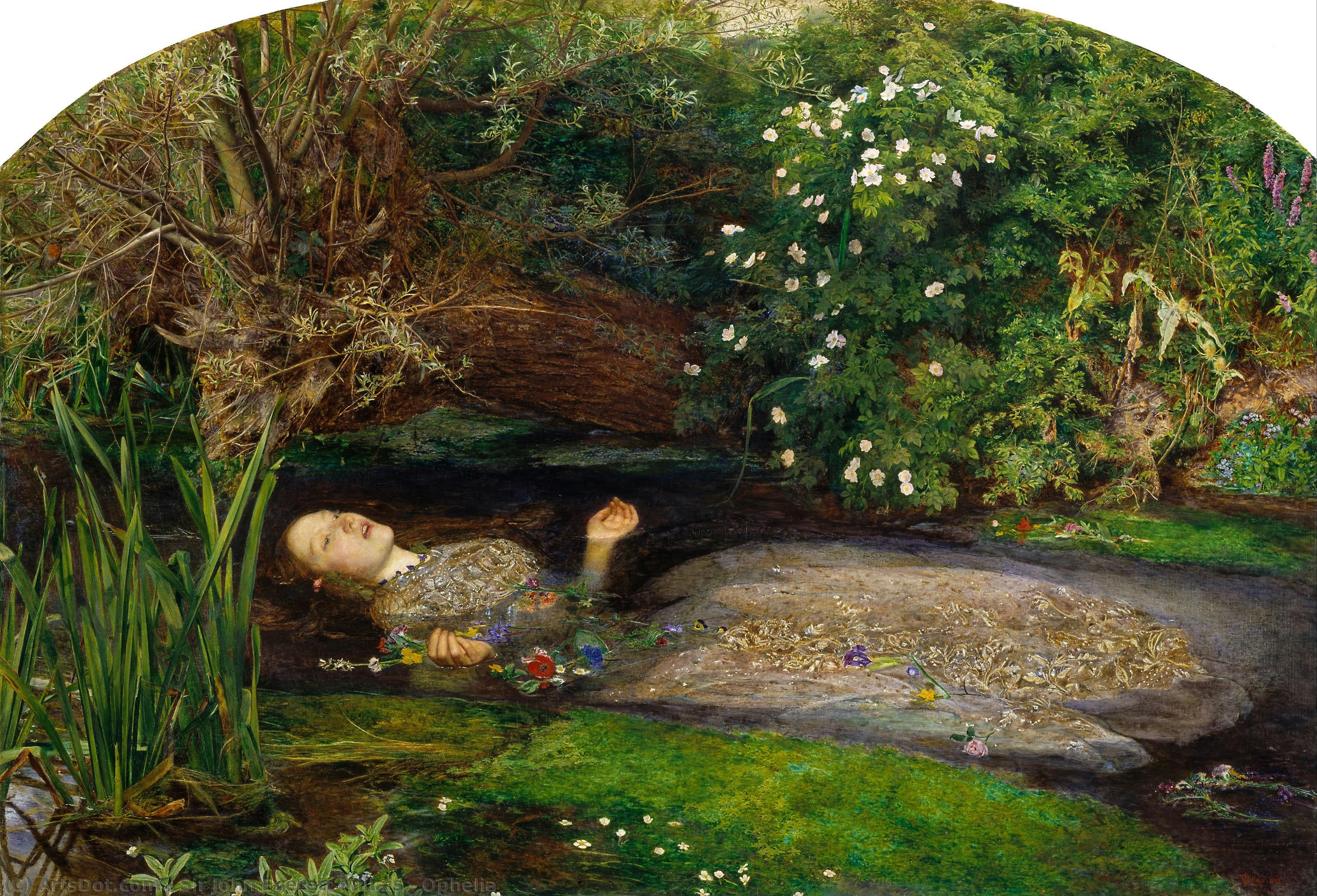
Ofelija (1851) yra garsiausias John Everett Millais paveikslas, esantis Tate Britain kolekcijoje Londras mieste. Christ in the House of His Parents (`The Carpenter (1849) ir The Blind Girl (1856) yra kitos dvi labiausiai žinomos pasaulyje kūrybosios darbai. Iš 422 John Everett Millais darbų mūsų kataloge – štai 100 dažniausiai analizuojami kolekcionerių bei lankytojų muziejų, su informacija apie metus, muziejų bei kiekvieno kūrinio istoriją.

Rangos vieta nulegiama pagal mūsų populiarumumo balas, kurį sudaro kiekvieno kūrinio paieškos, apsilankėjimai ir užsakėjimai. Atnaujinta spalis 2026. Kiekvieną šio puslapio šedevrą galite užsisakyti kaip muziejoriaus kokybės rankų darbo alievinę reprodukciją arba aukščiausios kokybės meninį spausdiną jūsų pasirinktu dydžiu.

John Everett Millais portretas
John Everett Millais · 1829 – 1896
Gedė · mirė
1829 – 1896, Sautamptonas
Judėjimas
Pre-raphaelite brotherhood
Darbai mūsų kataloge
422
Labiausiai žinomi
Ofelija (1851)
Daugiausia darbų yra
Birmingham Museum and Art Gallery

Top 10: žymiausi John Everett Millais tapiai

Ofelija (1851) aut. John Everett Millais
1

Ofelija

1851 · Aliejus ant drobės · Tate Britain, Londras

Sir John Everett Millais's "Ophelia," painted in 1851–52, isn’t merely a depiction of a tragic Shakespearean scene; it’s an immersive experience—a meticulously crafted tableau of sorrow and beauty that continues to captivate viewers over a century and a half later. This iconic Pre-Raphaelite masterpiece transcends its literary source, becoming a profound meditation on loss, innocence, and the poignant surrender to nature's embrace. The painting immediately draws the eye with its…

Christ in the House of His Parents (`The Carpenter (1849) aut. John Everett Millais
2

Christ in the House of His Parents (`The Carpenter

1849 · Oil On Canvas · Tate Britain, Londras

John Everett Millais’ “Speak! Speak!” (Apparition) captivates with its eerie beauty and symbolic depth, marking a pivotal moment in British art history. Created in 1849–50 during the height of the Pre-Raphaelite Brotherhood’s artistic fervor—a movement dedicated to rejecting academic conventions and embracing a return to medieval artistic ideals—this monumental oil painting remains an enduring emblem of Victorian Romanticism.

The Blind Girl (1856) aut. John Everett Millais
3

The Blind Girl

1856 · Oil On Canvas · Birmingham Museum and Art Gallery, Birminghamas

Sir John Everett Millais’s “The Blind Girl,” completed in 1856, is more than just a painting; it's an immersion into the heart of Romanticism. This evocative scene, measuring 62 x 82 cm, captures a moment of quiet intimacy and profound connection between two women nestled within a meticulously rendered natural world. The work immediately draws the viewer in with its soft color palette – dominated by greens, browns, and subtle…

A Huguenot, on St. Bartholomew's Day Refusing to Shield Himself from Danger by Wearing the Roman Catholic Badge (1852) aut. John Everett Millais
4

A Huguenot, on St. Bartholomew's Day Refusing to Shield Himself from Danger by Wearing the Roman Catholic Badge

1852 · Oil

In the hauntingly beautiful masterpiece A Huguenot, on St. Bartholomew's Day Refusing to Shield Himself from Danger by Wearing the Roman Catholic Badge, Sir John Everett Millais captures a scene of profound spiritual conviction and tragic romanticism. The painting presents an intimate, heart-wrenching embrace between two lovers caught in the violent crosswinds of religious upheaval. As they hold one another, there is a palpable sense of a final goodbye; the…

Isabella (1849) aut. John Everett Millais
5

Isabella

1849 · Oil On Canvas · Walker Art Gallery, Liverpulis

In the annals of the Pre-Raphaelite Brotherhood, few works capture the raw, unshielded ache of human grief as profoundly as Sir John Everett Millais’ Isabella. Completed in 1849, this masterpiece serves as a haunting window into a moment of profound devastation, where the boundaries between life and death, love and loss, become perilously thin. The painting does not merely depict a scene; it breathes with the heavy atmosphere of a…

The Black Brunswicker (1860) aut. John Everett Millais
6

The Black Brunswicker

1860 · Oil On Canvas · Lady Lever Art Gallery, Liverpool

The Black Brunswicker is an oil on canvas work by John Everett Millais, dating to 1860. This piece presents a historical scene involving a young lady being embraced by a soldier. The man is depicted as a member of the Black Brunswickers, a specialized troop of highly-trained German soldiers from 1809. There is a quiet tension in their meeting, a moment captured between the domestic sphere and the impending necessity…

Mariana (1851) aut. John Everett Millais
7

Mariana

1851 · Oil On Canvas · Tate Britain, Londras

John Everett Millais’s “Mariana,” painted in 1851, isn't merely a portrait; it’s an exquisitely rendered distillation of Victorian melancholy and the quiet desperation of a woman caught between longing and resignation. The painting immediately draws the viewer into a small, intimate chamber, dominated by a figure draped in a luminous blue gown – a color that simultaneously suggests both serenity and profound sadness. This isn't a scene of dramatic action…

Bubbles (1886) aut. John Everett Millais
8

Bubbles

1886 · Oil On Canvas · Lady Lever Art Gallery, Liverpool

Bubbles is an 1886 oil on canvas by Sir John Everett Millais. Originally exhibited at the Grosvenor Gallery in London under the title A Child's World, the work features the artist's grandson, William Milbourne James, as its subject. The painting captures the boy in a moment of quiet fascination, looking upward at a floating bubble.

The Knight Errant (1870) aut. John Everett Millais
9

The Knight Errant

1870 · Oil On Canvas

The Knight Errant is an oil on canvas by John Everett Millais. The work arrived at the Royal Academy in 1870. It was exhibited there during that same year. The paint holds the weight of a heavy, metallic sheen against the soft textures of the surrounding landscape.

Ophelia (1852) aut. John Everett Millais
10

Ophelia

1852 · Aliejus ant drobės

Šiuolaikinės meno pamėgėjai ir kolekcionieriai: „Ophelia“ – Pre-Raphaelitų Šedevras Štai vienas iš Didžiosios Britanijos romantikos laikotarpio žymiausių paveikslų kūrėjų, Sir Johno Everett Millaiso, darbą – „Ophelia“. Šį 1851–52 metais sukurtą veidlapą įrašyta Tate Britain muziejuje Londone ir jis yra išsibaręs į pasaulį. Veiksmas vyksta Šekspiro dramoje „Hamlet“, kurioje Ophelija, princesė, žuvo po savo gyvenimo partnerio pagrobimą. Štai kaip šis paveikslas buvo įrašytas į istoriją ir į meno pasaulio kalbą. Šiek…

Likę John Everett Millais reitingo vietos, nuo 11 iki 100

Rišiai Žalių Lapų (1856) aut. John Everett Millais
#11

Rišiai Žalių Lapų

1856 · Mančesterio meno galerija

„Rudeninės lapėlių“ (1856) yra įmantrios šedžiantio švietimo drobė, kurią sukūrė žymusis škotų impresionistas Sir Johanas Everetas Millaisas. Šią darbą iš dalies paskelbė Pre-Raphaelitų Broderija – vienas svarbiausių britiško…

Atneškite į savo namus →
Joan of Arc aut. John Everett Millais
#12

Joan of Arc

To stand before this depiction of Joan of Arc is to encounter a profound stillness amidst the echoes of battle. The painting captures not the fervor of the…

Užsisakyti reprodukciją →
The Vale of Rest (1858) aut. John Everett Millais
#15

The Vale of Rest

1858 · Tate Britain

In the quiet, amber-hued gloaming of Sir John Everett Millais’ “The Vale of Rest,” time seems to suspend itself between the fading light of day and the encroaching…

Užsisakyti reprodukciją →
Ophelia (1851) aut. John Everett Millais
#18

Ophelia

1851 · Tate Gallery

Sir John Everett Millais' "Ophelia," completed between 1851 and 1852, is more than just a painting; it’s an immersive experience. This iconic Pre-Raphaelite masterpiece transports the viewer to…

Užsisakyti rankinio kopijos tapybą →
Untitled (AS84ZV) (1860) aut. John Everett Millais
#21

Untitled (AS84ZV)

1860 · Getty Center

In the vast tapestry of nineteenth-century British art, few works capture the ethereal intersection of tragedy and natural beauty as profoundly as this masterpiece by Sir John Everett…

Atneškite į savo namus →
The North-West Passage (1874) aut. John Everett Millais
#23

The North-West Passage

1874 · Tate Britain

Sir John Everett Millais’s “The North-West Passage,” completed in 1874, stands as a cornerstone of the Pre-Raphaelite Brotherhood’s artistic vision—a movement that vehemently rejected academic conventions and championed…

Užsisakyti rankinio kopijos tapybą →
Infancy (1847) aut. John Everett Millais
#24

Infancy

1847 · Leeds Art Gallery

Sir John Everett Millais’s “Infancy,” completed in 1847, is more than just a depiction of a mother and her children; it's a meticulously crafted meditation on innocence, domesticity,…

Atneškite į savo namus →
Portrait of Wilkie Collins (1850) aut. John Everett Millais
#27

Portrait of Wilkie Collins

1850 · National Portrait Gallery

To stand before this portrait is to step directly into the richly textured drawing rooms of mid-Victorian London, a world steeped in literary fervor and meticulous social ritual.…

Atneškite į savo namus →
A flood (1870) aut. John Everett Millais
#29

A flood

1870

To gaze upon Sir John Everett Millais's A Flood is to be enveloped by a scene both breathtakingly beautiful and deeply unsettling. Painted in 1870, this oil on…

Atneškite į savo namus →
Mrs Bischoffsheim (1873) aut. John Everett Millais
#31

Mrs Bischoffsheim

1873 · Tate Gallery

To stand before a portrait such as Mrs Bischoffsheim is to step directly into the richly textured drawing rooms of the late nineteenth century. This exquisite work by…

Atneškite į savo namus →
The Black Brunswicker aut. John Everett Millais
#33

The Black Brunswicker

Royal Scottish Academy of Art - Architecture

John Everett Millais’s “The Black Brunswicker,” painted in 1860, is more than just a depiction of a soldier preparing for battle; it's a meticulously crafted tableau vivant—a staged…

Užsisakyti rankinio kopijos tapybą →
Jephthah (1867) aut. John Everett Millais
#42

Jephthah

1867 · National Gallery of Wales

Sir John Everett Millais's "Jephthah" – a painting that simultaneously evokes profound sorrow and a strange, unsettling beauty – stands as a cornerstone of the Pre-Raphaelite Brotherhood’s artistic…

Atneškite į savo namus →
The Sound of Many Waters (1876) aut. John Everett Millais
#43

The Sound of Many Waters

1876 · The National Trust For Scotland

John Everett Millais’s “The Sound of Many Waters,” painted in 1876, isn't merely a landscape; it’s an immersive experience, a fleeting moment captured with the meticulous detail and…

Užsisakyti reprodukciją →
Trust Me (1862) aut. John Everett Millais
#44

Trust Me

1862

In the grand tapestry of Victorian art, few threads shine with as much luminous clarity as Sir John Everett Millais’s 1862 masterpiece, “Trust Me.” This oil on canvas…

Atneškite į savo namus →
Day Dreams (1874) aut. John Everett Millais
#45

Day Dreams

1874 · The Dick Institute

Sir John Everett Millais’s “Day Dreams,” completed in 1874, stands as a quintessential emblem of Pre-Raphaelite art—a movement that vehemently rejected the idealized conventions of academic painting and…

Užsisakyti rankinio kopijos tapybą →
Seserys (1868) aut. John Everett Millais
#51

Seserys

1868

Šeimos Nėra Šeimos Nėra Sir Johno Everett Millaiso kūrinys yra įspūdinga Pre-Raphaelito mokykloje išsiskirianti drobė, kuri puikiai demonstruoja dailiojo meno meistriškumą ir gebėjimą užfiksuoti kasdienybės grožį. Pagalinta 1868…

Užsisakyti rankinio kopijos tapybą →
The Piper aut. John Everett Millais
#54

The Piper

To gaze upon The Piper is to be drawn into a moment suspended in time—a tableau vivant brimming with the quiet resonance of family life juxtaposed against the…

Užsisakyti reprodukciją →
The Enemy Sowing Tares (1865) aut. John Everett Millais
#55

The Enemy Sowing Tares

1865 · Birmingham Museums And Art Gallery

Sir John Everett Millais's "The Enemy Sowing Tares," painted in 1865, is more than just a depiction of a biblical scene; it’s a profound meditation on sin, exile,…

Atneškite į savo namus →
Victory O Lord (1871) aut. John Everett Millais
#56

Victory O Lord

1871

In 1871, John Everett Millais painted Victory O Lord. This work captures a heavy moment from the Book of Exodus, chapter 17. It depicts Moses, Aaron, and Hur…

Užsisakyti reprodukciją →
Portia (Kate Dolan) (1886) aut. John Everett Millais
#57

Portia (Kate Dolan)

1886

In this 1886 work, John Everett Millais presents Portia (Kate Dolan), a piece that occupies a delicate space between portrait and history painting. The subject is the resourceful…

Užsisakyti reprodukciją →
Saint Martin's Summer (1878) aut. John Everett Millais
#59

Saint Martin's Summer

1878 · Montrealio meno muziejus

The water flows with a quiet, steady purpose. It cuts through the dark earth and the tangled roots of the forest, a silver vein pulsing through the green.…

Atneškite į savo namus →
Apple Blossoms (1859) aut. John Everett Millais
#62

Apple Blossoms

1859

In the delicate dance of light and petal, Sir John Everett Millais captures a moment of pure, unadulterated serenity in his 1859 masterpiece, Apple Blossoms. This painting serves…

Atneškite į savo namus →
Diana Vernon (1880) aut. John Everett Millais
#63

Diana Vernon

1880 · Nacionalinė Viktorijos galerija

This full-length portrait, titled Diana Vernon, was executed by the artist John Everett Millais. The work depicts a single female subject positioned in a three-quarter length view. The…

Užsisakyti reprodukciją →
My Second Sermon (1864) aut. John Everett Millais
#69

My Second Sermon

1864 · Birmingham Museum and Art Gallery

My Second Sermon is an oil on canvas painting by the artist John Everett Millais. Created in 1864, the work depicts a young girl identified as the artist's…

Atneškite į savo namus →
Swallow, Swallow (1864) aut. John Everett Millais
#70

Swallow, Swallow

1864

“Swallow, Swallow,” painted in 1864 by the esteemed English artist Sir John Everett Millais, is a captivating example of the Romanticism movement. This oil on canvas masterpiece transports…

Atneškite į savo namus →
Mrs Joseph Chamberlain (1891) aut. John Everett Millais
#87

Mrs Joseph Chamberlain

1891 · Birmingham Museums And Art Gallery

is a portrait by Sir John Everett Millais, executed between 1890 and 1891. The subject is Mary Endicott, also known as Mary Crowninshield Endicott Chamberlain. Joseph Chamberlain commissioned…

Užsisakyti reprodukciją →

John Everett Millais tapų skirstymas pagal laikotarpius

Daugiausiai temų, kurių vaizdė John Everett Millais

Keturi populiariausi temų motyvai tarp šių šedevrų, su geriausiais kiekvieno pavyzdžiais.

Kur galima pamatyti John Everett Millais paveikslus

8 muziejai, kuriuose saugoma daugiausia šioje pusėje esamų paveikslų.

Muzejaus Miestas John Everett Millais darbai Šiojo sąrašo paveikslai
Birmingham Museum and Art Gallery, BirminghamasBirmingham Museum and Art Gallery Birminghamas 15 The Blind Girl, My Beautiful Lady (also known as Lovers by a Rosebush), My Second Sermon
Tate Britain, LondrasTate Britain Londras 13 Ofelija, Christ in the House of His Parents (`The Carpenter, Mariana
Tate Gallery, LondonasTate Gallery Londonas 6 Speak! Speak! (also known as Apparition), Ophelia, Christ in the House of His Parents
Birmingham Museums And Art Gallery, BirminghamasBirmingham Museums And Art Gallery Birminghamas 5 Elgiva Seized by Order of Archbishop Odo, The Enemy Sowing Tares, Mrs Joseph Chamberlain
Walker Art Gallery, LiverpulisWalker Art Gallery Liverpulis 4 Isabella, The Martyr of the Solway
Lady Lever Art Gallery, LiverpoolLady Lever Art Gallery Liverpool 4 The Black Brunswicker, Bubbles
Temple Newsam House, LidsasTemple Newsam House Lidsas 2 Poetry, Youth
National Portrait Gallery, LondrasNational Portrait Gallery Londras 9 Portrait of Wilkie Collins

John Everett Millais per dešimtmečius: po šedevrį kiekvienam laikotarpiui

  1. 1840s
    Christ in the House of His Parents (`The Carpenter (1849) aut. John Everett Millais
    #2 iš 100

    Christ in the House of His Parents (`The Carpenter

    Amžius 11 – 20 · Tate Britain

    John Everett Millais’ “Speak! Speak!” (Apparition) captivates with its eerie beauty and symbolic depth, marking a pivotal moment in British art history. Created in 1849–50 during the height…

  2. 1850s
    Ofelija (1851) aut. John Everett Millais
    #1 iš 100

    Ofelija

    Amžius 21 – 30 · Tate Britain

    Sir John Everett Millais's "Ophelia," painted in 1851–52, isn’t merely a depiction of a tragic Shakespearean scene; it’s an immersive experience—a meticulously crafted tableau of sorrow and beauty…

  3. 1860s
    The Black Brunswicker (1860) aut. John Everett Millais
    6 iš 100

    The Black Brunswicker

    Amžius 31 – 40 · Lady Lever Art Gallery

    The Black Brunswicker is an oil on canvas work by John Everett Millais, dating to 1860. This piece presents a historical scene involving a young lady being embraced…

  4. 1870s
    The Knight Errant (1870) aut. John Everett Millais
    Vieta 9 iš 100

    The Knight Errant

    Amžius 41 – 50

    The Knight Errant is an oil on canvas by John Everett Millais. The work arrived at the Royal Academy in 1870. It was exhibited there during that same…

  5. 1880s
    Bubbles (1886) aut. John Everett Millais
    Vieta 8 iš 100

    Bubbles

    Amžius 51 – 60 · Lady Lever Art Gallery

    Bubbles is an 1886 oil on canvas by Sir John Everett Millais. Originally exhibited at the Grosvenor Gallery in London under the title A Child's World, the work…

  6. 1890s
    Speak! Speak! (also known as Apparition) (1895) aut. John Everett Millais
    Vieta 16 iš 100

    Speak! Speak! (also known as Apparition)

    Amžius 61 – 67 · Tate Gallery

    Sir John Everett Millais' "Speak! Speak!" – often referred to as “Apparition” – is not merely a painting; it’s an immersive experience, a carefully constructed tableau of mystery…

John Everett Millais tapų dažniausiai užduodami klausimai

Kuri John Everett Millais tapioja yra pati garsiausia?Rodyti atsakymą

Ofelija (1851), Tate Britain, Londras. Toliau yra Christ in the House of His Parents (`The Carpenter (1849) ir The Blind Girl (1856).

Kuriuo amžiaus atσταση John Everett Millais nupiešė kūrinį Ofelija?Rodyti atsakymą

22 metų amžiaus: Ofelija sukurta 1851 m. ir John Everett Millais gimė 1829.

Kuriose yra 10 garsiausių John Everett Millais paveikslų?Rodyti atsakymą

Ofelija, Christ in the House of His Parents (`The Carpenter, The Blind Girl, A Huguenot, on St. Bartholomew's Day Refusing to Shield Himself from Danger by Wearing the Roman Catholic Badge, Isabella, The Black Brunswicker, Mariana, Bubbles, The Knight Errant ir Ophelia. Viršuje esančioje reitingo lentelėje nurodyta kiekvieno kūrinio metis ir muziejus.

Kiek John Everett Millais paveikių yra?Rodyti atsakymą

Mūsų kataloge yra 422 John Everett Millais darbų, datuojamų nuo 1843 iki 1895.

Kur galima pamatyti garsiausius John Everett Millais paveikslus?Rodyti atsakymą

Dauguma jų yra Birmingham Museum and Art Gallery (Birminghamas), Tate Britain (Londras) ir Tate Gallery (Londonas). Viršuje esančiame lange muziejai išvardyti po vieni.

Kuriame laikotarpyje John Everett Millais tapė savo žymiausius kūrinius?Rodyti atsakymą

1850s laikotarpyje: 26 iš 100 šioje pusėje esančių darbų sukurtos tada, iš jų – Ofelija.

Koks yra pirmasis ir paskutinis garsus John Everett Millais tapiojimas?Rodyti atsakymą

Pirmasis šioje pusėje yra Othello and Desdemona (1843), paskutinis – Speak! Speak! (also known as Apparition) (1895).

Kokia temas vaizdavo John Everett Millais?Rodyti atsakymą

Victorian era (27), Portrait (15) ir Woman (13), iš 100 šioje pusėje esančių darbų.

Ko buvo paveistas John Everett Millais kūpinys ir kokiais mediais?Rodyti atsakymą

Oil On Canvas: 52 iš 100 šioje pusėje esančių darbų.

Kelią meno kierlinę priklauso kūryba John Everett Millais?Rodyti atsakymą

Pre-raphaelite brotherhood, kaip rodo šio puslapio paveikslai.

Kurių John Everett Millais paveikių turi Birmingham Museum and Art Gallery?Rodyti atsakymą

The Blind Girl, My Beautiful Lady (also known as Lovers by a Rosebush) ir My Second Sermon yra vieni iš 7 šioje puslapyje esamų darbų, kuriuos saugo Birmingham Museum and Art Gallery, Birminghamas.

Kur galima įsigyti John Everett Millais reprodukciją?Rodyti atsakymą

Taip. Kiekvieną šioje pusėje esantį paveikslą galite užsakyti kaip muziejoriaus kokybės rankų darbų alievinę kopiją arba aukščiausios kokybės spausdinį pasirinktu jūsų pageidaujamu dydžiu tiesiai iš paties paveikslą puslapio.

John Everett Millais: biografija

Ankstyvieji Metai ir Prerafaelitų Brolijos Gimimas

Džonas Everetas Milėjus (John Everett Millais) gimė 1829 metais Sauthamptono mieste, Jungtinėje Karalystėje, ir jau vienuolikos metų amžiaus įstojo į Karališkąją Akademiją – jauniausias kada nors priimtas studentas. Šis ankstyvas talentas pranašavo karjerą, kuri ne tik apibrėžtų meno judėjimą, bet ir užfiksuotų viktorijos epochos vaizduotę savo kvapą atimančiu realizmu bei emociniu gylumu. Nuo pat jaunystės Milėjumi pasižymėjo nepaprastas stebėjimo dovanas – savybė, kuri tapo pagrindiniu jo meninio stiliaus akmeniu. Jis ne tik vaizdavo tai, ką matė, bet ir kruopščiai atkuria, įkviepiant kiekvieną potepį beveik fotografinei ištikimybei. Šis atsidavimas tiesai reprezentacijoje jį išskyrė ir galiausiai privertė mesti iššūkį nusistovėjusioms britų meno konvencijoms. 1848 metais Milėjumi, kartu su Dante Gabriel Rossetti ir William Holman Hunt, įkūrė Prerafaelitų Broliją. Tai nebuvo tik estetinio pasirinkimas; tai buvo sąmoningas maištas prieš tai, ką jie laikė akademinio meno dirbtinumu – meną, kuris per toli nukrypo nuo gamtos pasaulio ir ankstyvųjų renesanso meistrų nuoširdumo, tų, kurie kūrė *prieš* Rafaelį. Prerafaelitai siekė atgaivinti aiškumą, detales ir ryškius spalvų tonus tokių menininkų kaip Jan van Eyck ir Fra Angelico. Jų manifestas buvo tiesa gamtai, idealizuotų formų atsisakymas ir temų pasirinkimas iš literatūros, mitologijos bei kasdienio gyvenimo. Ankstyvieji Milėjumi darbai, tokie as Izabela, nedelsiant parodė šį naują požiūrį – kruopštų dėmesį detalėms kartu su naratyvine intensyvumu, kuris užbūrė ir dažnai sukeldavo publikos prieštaravimus. Jo kontroversiškiausias darbas tuo laikotarpiu, Kristus tėvo namuose (1849-50), vaizdavo Šventąją šeimą ne kaip eterinius padarus, o kaip paprastus darbininkų klasės žmones, sukeldamas pyktį kritikų tarpe, kurie laikė tokį realizmą neramų ir netgi ereziją.

Stiliaus Kaita ir Viktorijos Epochos Jautrumas

Penktojo dešimtmečio viduryje Milėjumi gyvenime įvyko reikšmingi pokyčiai, tiek asmeniškai, tiek meniškai. Jo santuoka su Efie Gray, po jos anuliavimo iš santuokos su John Ruskin, giliai paveikė jo kūrybą. Jis atsisakė intensyvaus detalių ir simbolikos stiliaus ankstyvuosiuose Prerafaelitų darbuose link platesnio, atmosferiškesnio realizmo. Šis posūkis nebuvo tik stilistinis pasirinkimas; tai atspindėjo didėjantį susidomėjimą šiuolaikiniu gyvenimu ir norą užfiksuoti gamtos grožį. Paveikslai tokie kaip Rudens lapai pavyzdžioja šią naują kryptį – rami grupės jaunų moterų vaizdas, plaukiantys lapai upėje, įkvėptas melancholijos ir nostalgijos jausmo. Jis taip pat pasiekė didelio pasisekimo kaip portretistas, užfiksuodamas žymių viktorijos epochos asmenybių atvaizdus, įskaitant John Gladstone ir Benjamin Disraeli. Šis laikotarpis Milėjumi pasiekė plačią populiarumą ir finansinį saugumą, tačiau tai sukėlė kritikų prieštaravimus, kurie manė, kad jis paaukojo savo meno principus.

Palikimas ir Tvarus Poveikis

Nepaisant šios kritikos, seras Džonas Everetas Milėjus išlieka vienas svarbiausių XIX amžiaus britų menininkų. Jo įtaka apima ne tik Prerafaelitų Broliją; jis padėjo peržiūrėti realizmo ir naratyvinio tapybos standartus, įkvėpdamas ištisas kartas menininkų. Jo ikoniški vaizdai – Opelija, su savo gaudingu grožiu ir simboliniu turtingumu, Huguenotas, vaizduojantis dramatišką religinės konfliktų momentą, ir daugelis kitų – tebejaudina publiką šiandien. Milėjumi gebėjimas derinti kruopštį stebėjimą su emociniu gylumu, jo meistriškumas spalvose ir kompozicijoje bei noras mesti iššūkį meno konvencijoms įtvirtino jį kaip tikrą inovatorių. 1896 metais jis buvo išrinktas Karališkosios Akademijos prezidentu – tai liudija jo tvarų palikimą, nors tragiškai mirė po kelių mėnesių. Jo darbai tebešvenčiami muziejuose ir kolekcijose visame pasaulyje, užtikrinant, kad jo meno grožis ir galia išliks ateities kartoms.

Pagrindiniai Darbai ir Kolekcijos

  • Kristus tėvo namuose (1849-1850): Tate Britain, Londonas – Kontroversiškas šedevras, pavyzdžiojantis ankstyvą Prerafaelitų realizmą.
  • Opelija (1851-1852): Tate Britain, Londonas – Galbūt žymiausias jo darbas, garsėjantis savo gaudingu grožiu ir simboliniu gylumu.
  • Huguenotas (1851-1852): Privati kolekcija – Dramatiškas religinių konfliktų ir draudžiamos meilės vaizdas.
  • Mariana (1850-1851): Manchester Art Gallery – Įkvėptas Šekspyro ir Tenisono, demonstruojantis Milėjumi įgūdžius užfiksuoti nuotaiką ir atmosferą.
  • Rudens lapai (1855-1856): City of Manchester Art Galleries – Rami ir įkvepiantis paveikslas, atspindintis jo besikeičiantį stilių.

Visi 422 John Everett Millais darbai →