Jan Mabuse, 1478 – 1532

Jan Mabuse: 100 garsiausi paveikslai

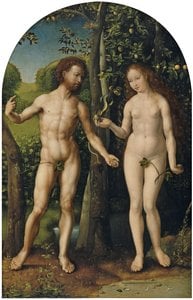
Adam and Eve (1525) yra garsiausias Jan Mabuse paveikslas, esantis Rhode Island School of Design Museum of Art kolekcijoje Providence mieste. Portrait of a man (1528) ir Man of Sorrow (1525) yra kitos dvi labiausiai žinomos pasaulyje kūrybosios darbai. Iš 241 Jan Mabuse darbų mūsų kataloge – štai 100 dažniausiai analizuojami kolekcionerių bei lankytojų muziejų, su informacija apie metus, muziejų bei kiekvieno kūrinio istoriją.

Rangos vieta nulegiama pagal mūsų populiarumumo balas, kurį sudaro kiekvieno kūrinio paieškos, apsilankėjimai ir užsakėjimai. Atnaujinta spalis 2026. Kiekvieną šio puslapio šedevrą galite užsisakyti kaip muziejoriaus kokybės rankų darbo alievinę reprodukciją arba aukščiausios kokybės meninį spausdiną jūsų pasirinktu dydžiu.

Jan Mabuse portretas
Jan Mabuse · 1478 – 1532
Gedė · mirė
1478 – 1532, Maubeuge
Judėjimas
Šiaurės renesansas
Darbai mūsų kataloge
241
Labiausiai žinomi
Adam and Eve (1525)
Daugiausia darbų yra
Statens Museum For Kunst

Top 10: žymiausi Jan Mabuse tapiai

Adam and Eve (1525) aut. Jan Mabuse
1

Adam and Eve

In the profound stillness of Jan Gossaert’s 1525 masterpiece, Adam and Eve, we are invited into a moment of primordial intimacy that transcends the boundaries of time. This breathtaking oil painting serves as a cornerstone of Northern Renaissance artistry, capturing the very dawn of humanity with a level of anatomical precision and dramatic flair that was revolutionary for its era. The composition centers on the tender, almost vulnerable embrace of…

Portrait of a man (1528) aut. Jan Mabuse
2

Portrait of a man

1528 · Oil On Panel · Belgijos Karališkųjų dailės muziejų kompleksas, Briuselis

The gaze of the subject in Portrait of a man by Jan Gossaert meets the viewer with a steady, unwavering presence. Created about 1530, this work captures a man seated within a space that feels both cramped and cozy, a private nook where the tools of a specific life reside. The artist, Jan Gossaert, who is also known by the moniker Mabuse, renders the figure with a profound sense of…

Man of Sorrow (1525) aut. Jan Mabuse
3

Man of Sorrow

1525 · Oil On Panel · Krakovos nacionalinis muziejus, Krakovas

The body of Christ hangs heavy, a pale anchor in a sea of deep reds and shadows. Every muscle is rendered with a sharp, anatomical clarity that feels almost tactile, as if the skin might still hold warmth despite the stillness of death. Light strikes the torso from a single direction, carving out the hollows of the ribs and the tension in the limbs. Around this central suffering, figures gather…

Portrait of a Man (1525) aut. Jan Mabuse
4

Portrait of a Man

1525 · Oil On Panel · Antverpio karališkasis gražiųjų menų muziejus, Antverpys

Step closer and observe the stillness of this young man. He is presented in a bust-length view, framed within a gentle oval that focuses our attention entirely on his psychological state. There is a certain gravity in his gaze, a stoic and thoughtful expression that suggests a life of intellectual depth and high social standing. He does not perform for us; he simply exists in a moment of quiet contemplation.…

Two Wings from a Triptych (exterior) (1521) aut. Jan Mabuse
5

Two Wings from a Triptych (exterior)

1521 · Oil On Panel

The heavy wooden panels of the triptych stand partially open, revealing a world caught in a moment of sacred stillness. These two exterior wings, crafted in 1521, act as a threshold between the mundane and the divine. On one side, a woman holds a book, her gaze steady and quiet; on the other, an angel appears, bringing a celestial presence to the earthly realm. They exist within a framework of…

Virgin and child enthroned (1527) aut. Jan Mabuse
6

Virgin and child enthroned

1527 · Oil On Canvas · Kunsthistorisches Museum, Viena

To gaze upon Jan Gossaert’s Virgin and Child Enthroned is to step directly into the luminous, deeply spiritual atmosphere of the Northern Renaissance. This masterpiece, painted in 1527, transcends mere portraiture; it is a profound theological statement rendered with breathtaking technical skill. At its heart sits the Virgin Mary, regal and serene, enthroned as she cradles the infant Jesus. The immediate visual impact is drawn to the vibrant sweep of…

Portrait of a man (1527) aut. Jan Mabuse
7

Portrait of a man

1527 · Oil On Panel · Kunsthistorisches Museum, Viena

A middle-aged man is captured in a bust-length composition, his gaze directed toward the left of the frame. He wears a dark, beret-style hat and a black doublet over a white undershirt, with a single gold ring featuring a gemstone visible on his hand. The lighting is directional, descending from the upper left to cast soft shadows across the right side of his face and neck. This chiaroscuro effect provides…

The Holy Family (1507) aut. Jan Mabuse
8

The Holy Family

1507 · Oil On Panel · J. Paul Getty muziejus, Los Andželis

The Holy Family is a painting by Jan Gossaert, executed in 1507. This oil on panel work captures a quiet, domestic moment within a grander architectural framework. The Virgin Mary occupies the center of the scene, her hands cradling the Christ Child. Their presence forms the heart of the composition, anchored by the weight of their figures against the stone and sky.

Hercules and Deianeira (1517) aut. Jan Mabuse
9

Hercules and Deianeira

1517 · Oil On Panel · The Barber Institute of Fine Arts, Birminghamas

Two figures sit locked in a quiet, muscular embrace. Hercules and Deianeira occupy a marble-paneled niche, their limbs entwined in a way that feels both heavy and strangely delicate. The man’s skin carries the sculptural weight of antiquity, his form defined by the tension of bone and muscle. Beside him, Deianeira rests, her pose a study in soft curves and sudden stillness. They do not look at the viewer; they…

Triptych of the Holy Family (1501) aut. Jan Mabuse
10

Triptych of the Holy Family

1501 · Oil On Panel · Liaudies senovės meno nacionalinis muziejus, Lisbona

The Triptych of the Holy Family is a religious oil on panel painting dating to 1501. This work is presented in a classic triptych format, housed within an ornate, carved wooden frame featuring scalloped tops. The central panel is the largest and most complex, depicting the Holy Family—the Virgin Mary, Saint Joseph, and the Christ Child—arranged in a pyramidal composition and surrounded by an angelic host within a lush landscape.…

Likę Jan Mabuse reitingo vietos, nuo 11 iki 100

Madonna with the Child (1500) aut. Jan Mabuse
#12

Madonna with the Child

1500 · Hämeenlinna Art Museum

In "Madonna with the Child" by Jan Gossaert, the artist presents a close-up, pyramidal arrangement of the figures. The subject matter focuses on the Madonna nursing the Christ…

Atneškite į savo namus →
Virgin and child in the veil (1500) aut. Jan Mabuse
#13

Virgin and child in the veil

1500 · Belgijos Karališkųjų dailės muziejų kompleksas

The scene unfolds through the quiet presence of Virgin and child in the veil, a work that invites a moment of stillness. Jan Gossaert brings this religious subject…

Atneškite į savo namus →
Saint Jerome (1512) aut. Jan Mabuse
#17

Saint Jerome

1512 · Statens Museum For Kunst

In this 1512 oil painting, Jan Gossaert presents Saint Jerome in a moment of profound scholarly and spiritual reflection. The subject is an elderly man, his presence defined…

Atneškite į savo namus →
Portrait of a Man (1515) aut. Jan Mabuse
#19

Portrait of a Man

1515 · Pushkinio valstybinis dailės muziejus

A single gaze meets the viewer from the shadows of 1515. The man’s face emerges from a deep, somber darkness, his features carved by a sharp, directional light.…

Užsisakyti reprodukciją →
Self-portrait (1525) aut. Jan Mabuse
#27

Self-portrait

1525 · Currier Gallery of Art

A man stares directly from the shadows, his presence filling the space with an intense, quiet gravity. He sits slightly off-center, a figure of profound psychological weight, wrapped…

Užsisakyti reprodukciją →
Madonna and Child (1529) aut. Jan Mabuse
#28

Madonna and Child

1529 · Rijksmuseum Twenthe

Jan Gossaert executed Madonna and Child in 1527. The work focuses on the Virgin Mary and the infant Jesus, presenting a quiet moment of maternal connection. This composition…

Atneškite į savo namus →
Christ on Mount Olive (1525) aut. Jan Mabuse
#29

Christ on Mount Olive

1525 · Bavarijos valstybinės paveikslų kolekcijos

Christ on Mount Olive is an oil painting by the artist Jan Gossaert. This work is dated 1507 and belongs to the Renaissance period. The composition focuses on…

Atneškite į savo namus →
The Holy Family (1520) aut. Jan Mabuse
#30

The Holy Family

1520 · Houston meno muziejus

This Northern Renaissance oil painting on panel, dated 1520, presents a tender and intimate depiction of the Holy Family. The composition is a close-up, pyramidal arrangement that focuses…

Atneškite į savo namus →
Cain Killing Abel (1525) aut. Jan Mabuse
#41

Cain Killing Abel

1525

In this monochromatic engraving, we find ourselves witnessing a moment of profound human tragedy. The scene depicts the violent confrontation between Cain and Abel, a narrative of primal…

Užsisakyti reprodukciją →
Abbot Johann Ingenray (1535) aut. Jan Mabuse
#49

Abbot Johann Ingenray

1535 · Detroito meno institutas

The air in the room feels heavy, thick with the scent of old parchment and the stillness of a monastery. Abbot Johann Ingenray sits behind a stone table,…

Atneškite į savo namus →
Virgin and Child (1525) aut. Jan Mabuse
#52

Virgin and Child

1525 · Art Institute of Chicago

In the religious work Virgin and Child by Jan Gossaert, the Virgin Mary is shown holding the Christ Child within a palace interior. The infant Jesus is depicted…

Užsisakyti reprodukciją →
Adam and Eve (1510) aut. Jan Mabuse
#53

Adam and Eve

1510 · Thyssen-Bornemisza muziejus

is a work by Jan Gossaert (Mabuse) executed in 1510. This piece belongs to the Northern Renaissance style, a period marked by the integration of Flemish technical precision…

Užsisakyti rankinio kopijos tapybą →
Danaë (1527) aut. Jan Mabuse
#56

Danaë

1527 · Alte Pinakothek

A single shaft of light pierces the heavy silence of a bronze chamber. Within this enclosure, Danaë sits upon the ground, her hands clasped against her chest in…

Atneškite į savo namus →
Madonna and Child (1527) aut. Jan Mabuse
#58

Madonna and Child

1527 · Museo del Prado

In this 1527 portrait, we find a moment of profound stillness. The Virgin Mary is depicted with a regal presence, her head adorned with a crown that signals…

Užsisakyti reprodukciją →

Jan Mabuse tapų skirstymas pagal laikotarpius

Daugiausiai temų, kurių vaizdė Jan Mabuse

Keturi populiariausi temų motyvai tarp šių šedevrų, su geriausiais kiekvieno pavyzdžiais.

Kur galima pamatyti Jan Mabuse paveikslus

8 muziejai, kuriuose saugoma daugiausia šioje pusėje esamų paveikslų.

Muzejaus Miestas Jan Mabuse darbai Šiojo sąrašo paveikslai
Statens Museum For Kunst, KopenhagaStatens Museum For Kunst Kopenhaga 5 Saint Jerome, Virgin and Child with a Patron, Scenes from the Life of St Giles
National Gallery of Art, VašingtonasNational Gallery of Art Vašingtonas 4 Saint Jerome Penitent [right panel], Saint Jerome Penitent [left panel], Portrait of a Man, possibly Jan Snoeck
Alte Pinakothek, MiunchenasAlte Pinakothek Miunchenas 3 Danaë, Danaë (detail), Danaë
Gemäldegalerie, BerlynasGemäldegalerie Berlynas 9 Christ on the Mount of Olives, Mary with Child
National Gallery, LondonasNational Gallery Londonas 7 An Elderly Couple, The Adoration of the Kings
Belgijos Karališkųjų dailės muziejų kompleksas, BriuselisBelgijos Karališkųjų dailės muziejų kompleksas Briuselis 4 Portrait of a man, Virgin and child in the veil
Antverpio karališkasis gražiųjų menų muziejus, AntverpysAntverpio karališkasis gražiųjų menų muziejus Antverpys 4 Portrait of a Man, Christ sitting on the Cold Stone
Kunsthistorisches Museum, VienaKunsthistorisches Museum Viena 3 Virgin and child enthroned, Portrait of a man

Jan Mabuse per dešimtmečius: po šedevrį kiekvienam laikotarpiui

  1. 1490s
    Madonna with child (1495) aut. Jan Mabuse
    14 iš 100

    Madonna with child

    Amžius 12 – 21

    The artwork titled Madonna with child is a painting by the artist Jan Gossaert. This work depicts the Virgin Mary and the infant Jesus. It is a product…

  2. 1500s
    The Holy Family (1507) aut. Jan Mabuse
    Vieta 8 iš 100

    The Holy Family

    Amžius 22 – 31 · J. Paul Getty muziejus

    The Holy Family is a painting by Jan Gossaert, executed in 1507. This oil on panel work captures a quiet, domestic moment within a grander architectural framework. The…

  3. 1510s
    Hercules and Deianeira (1517) aut. Jan Mabuse
    9 iš 100

    Hercules and Deianeira

    Amžius 32 – 41 · The Barber Institute of Fine Arts

    Two figures sit locked in a quiet, muscular embrace. Hercules and Deianeira occupy a marble-paneled niche, their limbs entwined in a way that feels both heavy and strangely…

  4. 1520s
    Adam and Eve (1525) aut. Jan Mabuse
    1 iš 100

    Adam and Eve

    Amžius 42 – 51 · Rhode Island School of Design Museum of Art

    In the profound stillness of Jan Gossaert’s 1525 masterpiece, Adam and Eve, we are invited into a moment of primordial intimacy that transcends the boundaries of time. This…

  5. 1530s
    Virgin and Child in a Landscape (1531) aut. Jan Mabuse
    #26 iš 100

    Virgin and Child in a Landscape

    Amžius 52 – 54 · Cleveland Museum of Art

    Jan Gossaert executed Virgin and Child in a Landscape in 1531. The work belongs to the Northern Renaissance and Romanist movements, reflecting a period of stylistic transition in…

Jan Mabuse tapų dažniausiai užduodami klausimai

Kuri Jan Mabuse tapioja yra pati garsiausia?Rodyti atsakymą

Adam and Eve (1525), Rhode Island School of Design Museum of Art, Providence. Toliau yra Portrait of a man (1528) ir Man of Sorrow (1525).

Kuriuo amžiaus atσταση Jan Mabuse nupiešė kūrinį Adam and Eve?Rodyti atsakymą

47 metų amžiaus: Adam and Eve sukurta 1525 m. ir Jan Mabuse gimė 1478.

Kuriose yra 10 garsiausių Jan Mabuse paveikslų?Rodyti atsakymą

Adam and Eve, Portrait of a man, Man of Sorrow, Portrait of a Man, Two Wings from a Triptych (exterior), Virgin and child enthroned, Portrait of a man, The Holy Family, Hercules and Deianeira ir Triptych of the Holy Family. Viršuje esančioje reitingo lentelėje nurodyta kiekvieno kūrinio metis ir muziejus.

Kiek Jan Mabuse paveikių yra?Rodyti atsakymą

Mūsų kataloge yra 241 Jan Mabuse darbų, datuojamų nuo 1495 iki 1532.

Kur galima pamatyti garsiausius Jan Mabuse paveikslus?Rodyti atsakymą

Dauguma jų yra Statens Museum For Kunst (Kopenhaga), National Gallery of Art (Vašingtonas) ir Alte Pinakothek (Miunchenas). Viršuje esančiame lange muziejai išvardyti po vieni.

Kuriame laikotarpyje Jan Mabuse tapė savo žymiausius kūrinius?Rodyti atsakymą

1510s laikotarpyje: 39 iš 100 šioje pusėje esančių darbų sukurtos tada, iš jų – Hercules and Deianeira.

Koks yra pirmasis ir paskutinis garsus Jan Mabuse tapiojimas?Rodyti atsakymą

Pirmasis šioje pusėje yra Madonna with child (1495), paskutinis – Madonna and Child (1532).

Kokia temas vaizdavo Jan Mabuse?Rodyti atsakymą

Woman (25), Man (24) ir Child (15), iš 100 šioje pusėje esančių darbų.

Ko buvo paveistas Jan Mabuse kūpinys ir kokiais mediais?Rodyti atsakymą

Oil On Panel: 38 iš 100 šioje pusėje esančių darbų.

Kelią meno kierlinę priklauso kūryba Jan Mabuse?Rodyti atsakymą

Šiaurės renesansas, kaip rodo šio puslapio paveikslai.

Kurių Jan Mabuse paveikių turi Statens Museum For Kunst?Rodyti atsakymą

Saint Jerome, Virgin and Child with a Patron ir Scenes from the Life of St Giles yra vieni iš 5 šioje puslapyje esamų darbų, kuriuos saugo Statens Museum For Kunst, Kopenhaga.

Kur galima įsigyti Jan Mabuse reprodukciją?Rodyti atsakymą

Taip. Kiekvieną šioje pusėje esantį paveikslą galite užsakyti kaip muziejoriaus kokybės rankų darbų alievinę kopiją arba aukščiausios kokybės spausdinį pasirinktu jūsų pageidaujamu dydžiu tiesiai iš paties paveikslą puslapio.

Jan Mabuse: biografija

Renesanso pionierius: Jano Gossaerto gyvenimas ir palikimas

Kintančio XVI amžiaus pradžios paveiksluose nedaug menininkų sugebėjo taip meistriškai įžengti į tiltą tarp kruopščių Šiaurės tradicijų ir augančio Pietų humanizmo, kaip tai padarė Janas Gossaertas. Istorijai žinomas evokuojamu vardu Mabuse, šis vizionieriškas paveislininkas iš Maubeuge, Prancūją, iškilo, kad taptų romanistų judėjimo pamatu. Jo kūrybos darbas atperka gilią metamorfozę niderlandų menoje, kur aštrus, taktilinis flamų meistrų realizmas susitiko su didingu, skulptūrišku Italijos Renesanso elegancija. Studijuoti Gossaertą – tai stebėti tą pačią akimirką, kai viduramžių siela pradėjo priimti klasikinę senovės šviesą.

Nors tikslūs jo ankstyvojo mokymosi detalės išlieka paslėptos laiko miglose, Gossaerto meninė DNK buvo giliai įsišaknijusi Žemųjų kraštų tradicijose. Visai plačiai sklebiamas įsitikinimas, kad savo formavimo metus jis praleido įsisavinodamas tokių meistrų kaip Rogierius van der Weyden ir Hugo van der Goes techninį griežtumą. Nuo šių pirmtakų jis paveldėjo nepanašų dėsią į detales – būdą vaizduoti tekstūras, audinius ir šviesą taip, kad jie žiūrėtojui atrodytų beveik lytintini. Tačiau Gossaertas tolilybė nuo vien tik praeities imitatoriaus; jis turėjo nenu ramsčiamos smalsybės naujoms tendencijoms, žvelgdamas į pietus, kad savo gimtinės stiliuje integruotų anatominį tikslumą ir architektūrinį Italijos Renesanso didybę.

Šiaurės ir Pietų sintezė

Tikrasis Mabuse genijus slypi jo gebėjime suharmonizuoti du panašiai skirtingus pasaulius. Jo evoliucija kaip romanistų paveislininko pažymėjo atokvėpią nuo grynojo gotikos pojūčio, kuris ilgai dominavo Šiaurės Europoje. Ten, kur ankstesni menininkai susikoncentruodavo į simbolinę gylį ir dvasinę ikonografiją, Gossaertas įvedė fizinės svorio ir klasikinės proporcijos pojūtį. Jis studijavo žmogaus kūną su nauju, moksliniu varžymu, leisdamas savo figūroms užimti erdvę su skulptūrine prateaika, kuri savo laikmetui atrodė revolucinė.

Ši stiliaus evoliucija labiausiai išryškėja jo šviesos ir atmosferos apdorojime. Jo rankose šviesa ne tik apšviečia sceną; ji ją skulptuoja. Jis taikė atmosferinę perspektyvą, kad sukurtų platias, įtraukiančias peizažus, kurie atrodo begalėje atitraukiami į tolmą, suteikdami savo subtjektams dramatišką sceną. Jo kompozicijose dažnai matomas sudėtingas šešulių ir spindulių sąveika – technika, suteikianti jo religiniams ir mitologiniams vaizdams beveik teatralinį intensyvumą. Ši meistriškumas leido jam išlaikyti pelnytiną pusiausvyrą tarp gilaus dvasinio kontemplacijos, reikalaujančio religinių užsakymų, ir intelektinės didybės, reikalaujančios jo laikmečio humanistų mokslininkų.

Meistriški kūriniai ir istorinė reikšmė

Gausi Gossaerto karjera buvo palaikoma prestižingos globėjų tinklo – nuo turtingų prekybininkų iki aukščiausio lygio dvasininkų ir kilnoble. Jo kūryba buvo neįtikėtinai įvairi: nuo monumentalinių altarių, įtvirtinančių katedrų interjerus, iki intymiškų portretų, įtrapinančių psichologinę savo modelių esmę. Kai kurie jo patvariausios įtakos kūriniai apima:

  • Religinė ikonografija: Tokie darbai kaip Deesis demonstruoja jo gebėjimą naudoti šviesą ir spalvą, kad sukeltų gilią dvasinę pagarbą, vaizduodamas Kristų su majestriškumu, kuris yra kartu ir žmogiškas, ir dieviškas.
  • <įli>Mitologiniai pasakojimai: Darbuose, tokiuose kaip Heraklis ir Deianira, Gossaertas pademonstravo savo meistriškumą klasikinėmis temomis, naudojdamas senovės mitų raumenį, kad išplėstų Šiaurės anatominio tapybos ribas.
  • Portretų menas: Jo portretai stovi kaip gyvybiški istoriniai dokumentai, pasižymintys kruopščiu kostiumų vaizdavimu ir oriu, stabiliu žvilgsniu, kuris atspindi kylančią asmens statusą Renesanso visuomenėje.

Jano Gossaerto istorinės reikšmės neįvertinti neįmanoma. Jis veikė kaip gyvybiškas tiltas, per Alpius pernešdamas Italijos klasikinį idealą ir tvirtai jį įsodindamas į trąšią Niderlandų žemę. Sumaišydamas kruopštų flamų tradicijos meistriškumą su struktūriniais Romos Renesanso naujovėmis, jis atvėrė kelią būsimoms Šiaurės menininkų kartoms. Jo palikimas išlieka įrašytas pačiame meno istorijos audinyje, reprezentuodamas triumfuojantį kultūrinės sintezės ir meninio atgimimo erą.

Visi 241 Jan Mabuse darbai →