Altichiero, 1330 – 1390

Altichiero tapiai: 16 garsiausių kūrinių reitingas

Žymiausias Altichiero tapas yra Head of the Virgin. (1350), esantis Museum of John Paul II Collection, Warsaw. Kartu su Crucifixion (detail) (1376) ir Death of St Lucy (1379) tai sudaro tris visai visus pažįstančius darbus. Mūsų kataloge yra 17 darbų autoriaus Altichiero; žemiau pateiktos 16 daugiausia visame pasaulyje žiūrimų kūrinių, kiekvieno iš jų – su metai, muziejumi, kuriame jis saugomas, ir paaiškintu, kodėl jis svarbus.

Rangos vieta nulegiama pagal mūsų populiarumumo balas, kurį sudaro kiekvieno kūrinio paieškos, apsilankėjimai ir užsakėjimai. Atnaujinta spalis 2026. Kiekvieną šio puslapio šedevrą galite užsisakyti kaip muziejoriaus kokybės rankų darbo alievinę reprodukciją arba aukščiausios kokybės meninį spausdiną jūsų pasirinktu dydžiu.

Altichiero portretas
Altichiero · 1330 – 1390
Gedė · mirė
1330 – 1390, Zevio
Darbai mūsų kataloge
17
Labiausiai žinomi
Head of the Virgin. (1350)
Daugiausia darbų yra
Oratorio di San Giorgio

10 garsiausių Altichiero paveikslų

Head of the Virgin. (1350) aut. Altichiero
1

Head of the Virgin.

1350 · Tempera On Panel · Museum of John Paul II Collection, Warsaw

This close-up portrait captures a fragment of a female figure, likely the Virgin Mary, rendered in a style that bridges the transition from the late Gothic to the early Renaissance. The composition centers on a face viewed in three-quarter profile, directed slightly downward and toward the viewer's left. A large, circular golden halo frames the head, its radiating segments defined by precise lines that suggest a divine presence. The physical…

Altichiero, paveikslai nuo 11 iki 16

Daugiausiai temų, kurių vaizdė Altichiero

Keturi populiariausi temų motyvai tarp šių šedevrų, su geriausiais kiekvieno pavyzdžiais.

Kur galima pamatyti Altichiero paveikslus

3 muziejai, kuriuose saugoma daugiausia šioje pusėje esamų paveikslų.

Muzejaus Miestas Altichiero darbai Šiojo sąrašo paveikslai
Oratorio di San Giorgio, PaduaOratorio di San Giorgio Padua 3 Death of St Lucy, The Execution of Saint George, Adoration of the Magi
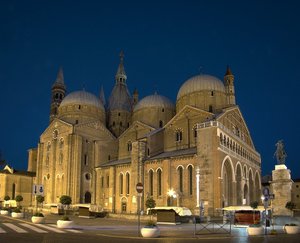
Sant'Antonio bazilika, PaduvaSant'Antonio bazilika Paduva 2 Crucifixion (detail), Crucifixion
Museum of John Paul II Collection, WarsawMuseum of John Paul II Collection Warsaw 1 Head of the Virgin.

enusičiausio Altichiero tapiojo dešimtmetės tapiojas

  1. 1350s
    Head of the Virgin. (1350) aut. Altichiero
    #1 iš 16

    Head of the Virgin.

    Amžius 20 – 29 · Museum of John Paul II Collection

    This close-up portrait captures a fragment of a female figure, likely the Virgin Mary, rendered in a style that bridges the transition from the late Gothic to the…

  2. 1370s
  3. 1380s

Klausimai apie Altichiero paveikslus

Koks yra garsiausias Altichiero tapas?Rodyti atsakymą

Head of the Virgin. (1350), Museum of John Paul II Collection, Warsaw. Toliau yra Crucifixion (detail) (1376) ir Death of St Lucy (1379).

Kiek metų buvo Altichiero, kai buvo nupieštas Head of the Virgin.?Rodyti atsakymą

20 metų amžiaus: Head of the Virgin. sukurta 1350 m. ir Altichiero gimė 1330.

Kokie yra 10 geriausių Altichiero paveikslų?Rodyti atsakymą

Head of the Virgin., Crucifixion (detail), Death of St Lucy, The Execution of Saint George, Adoration of the Magi, Christ Among the Doctors, Birth of the Virgin, Marriage of the Virgin, Resurrection of Lazarus ir Nativity. Viršuje esančioje reitingo lentelėje nurodyta kiekvieno kūrinio metis ir muziejus.

Kiek paveikslų sukūrė Altichiero?Rodyti atsakymą

Mūsų kataloge yra 17 Altichiero darbų, datuojamų nuo 1350 iki 1380.

Kur yra garsiausi Altichiero paveikslai?Rodyti atsakymą

Dauguma jų yra Oratorio di San Giorgio (Padua), Sant'Antonio bazilika (Paduva) ir Museum of John Paul II Collection (Warsaw). Viršuje esančiame lange muziejai išvardyti po vieni.

Kada Altichiero namai dažniausiai tapė savo garsiausiais šedevrais?Rodyti atsakymą

1370s laikotarpyje: 3 iš 16 šioje pusėje esančių darbų sukurtos tada, iš jų – Crucifixion (detail).

Kokie yra pirmieji ir paskutiniai garsūs Altichiero paveikslai?Rodyti atsakymą

Pirmasis šioje pusėje yra Head of the Virgin. (1350), paskutinis – The Execution of Saint George (1380).

Ką dažniausiai tapė Altichiero?Rodyti atsakymą

Crucifixion (4), Saints (3) ir Executions (2), iš 16 šioje pusėje esančių darbų.

Kurius Altichiero paveikslus galėčiau pamatyti Oratorio di San Giorgio?Rodyti atsakymą

Death of St Lucy, The Execution of Saint George ir Adoration of the Magi yra vieni iš 3 šioje puslapyje esamų darbų, kuriuos saugo Oratorio di San Giorgio, Padua.

Ar galiu įsigyti Altichiero paveikslą-reprodukciją?Rodyti atsakymą

Taip. Kiekvieną šioje pusėje esantį paveikslą galite užsakyti kaip muziejoriaus kokybės rankų darbų alievinę kopiją arba aukščiausios kokybės spausdinį pasirinktu jūsų pageidaujamu dydžiu tiesiai iš paties paveikslą puslapio.

Apie Altichiero

The Master of Veronese Gothic: The Life and Legacy of Altichiero da Zevio

In the twilight of the fourteenth century, as the rigid structures of the Byzantine tradition began to soften under the influence of a new, more humanistic vision, there emerged a painter whose brushwork would define the soul of the Veronese School. Altichiero da Zevio, born near the quiet town of Zevio in Verona around 1330, was not merely a chronicler of sacred events but a pioneer of the Venetian Gothic style. While the biographical shadows surrounding his early years remain somewhat dense, the vibrant frescoes he left behind act as a luminous window into his creative spirit. Scholars often trace the lineage of his genius back to Florence, suggesting that he breathed the same artistic air as Giotto. This connection, likely forged through an intimate study of Giotto’s pupils like Taddeo Gaddi, allowed Altichiero to infuse his work with a profound sense of volume, weight, and narrative clarity that was revolutionary for his time.

The evolution of Altichiero’s artistry is best understood through his monumental contributions to the civic and religious landscapes of Verona and Padua. His early ascent to prominence was marked by the prestigious commission for the Sala del Podestà within the della Scala palace. Here, around 1364, he embarked on an ambitious cycle depicting scenes from Josephus's Wars of the Jews. This project was far more than a decorative endeavor; it was a masterclass in historical storytelling. Through these frescoes, Altichiero demonstrated an uncanny ability to organize complex, multi-layered compositions, transforming cold stone walls into theatrical stages where history and drama converged. His mastery of the narrative fresco established him as a premier storyteller of the Trecento, capable of guiding the viewer's eye through intricate battle scenes and emotional confrontations with seamless grace.

A Symphony of Color and Devotion in Padua

As his reputation expanded beyond the borders of Verona, Altichiero’s journey led him to the intellectual and artistic heart of Padua. It was here that his collaboration with Jacopo d'Avanzi reached its zenith, producing some of the most breathtaking examples of late Gothic art in existence. In the chapel of Saint James at the Basilica of Sant’Antonio, the duo breathed life into the hagiography of Saint James the Elder. These works are characterized by a unique visual dynamism, where religious iconography is wedded to an emerging interest in naturalism and emotional depth. The frescoes do not merely depict saints; they inhabit a world of palpable atmosphere, where the drapery of robes and the expressions of the faithful suggest a reality that is both divine and deeply human.

Perhaps even more intimate is his contribution to the Oratorio di San Giorgio. Often whispered about in the same breath as the Scrovegni Chapel, this small, sacred space serves as a testament to Altichiero’s ability to scale his monumental vision down to a poignant, personal level. Working within this family mausoleum, he and his workshop created a vibrant tapestry of devotion that continues to transport modern visitors back to the dawn of the Renaissance. His work in Padua represents a crucial bridge in art history—a moment where the decorative elegance of the Gothic era began to embrace the structural innovations and psychological complexity that would soon define the Italian Renaissance.

The Enduring Echo of a Venetian Pioneer

Though Altichiero da Zevio passed away around 1390, his influence did not fade with his final breath. He left behind a legacy etched into the very architecture of Northern Italy, providing a foundation upon which future generations of Venetian and Veronese painters would build. His significance lies in his role as a transitional figure; he took the inherited language of the Middle Ages and began to rewrite it with a new vocabulary of space, movement, and human emotion. To study Altichiero is to witness the slow, beautiful metamorphosis of European art, moving away from the static icons of the past toward a more breathing, living world.

The enduring importance of his oeuvre can be summarized through several key artistic pillars:

  • Narrative Innovation: His ability to transform historical and biblical texts into sweeping, cinematic fresco cycles.
  • Stylistic Synthesis: The successful blending of Florentine Giottesque naturalism with the decorative elegance of the Venetian Gothic.
  • Architectural Integration: A profound mastery of using fresco to expand the perceived space of chapels and civic halls.
  • Foundational Legacy: Establishing the Veronese School as a distinct and powerful force in the Italian artistic landscape.

Visi 17 Altichiero darbai →