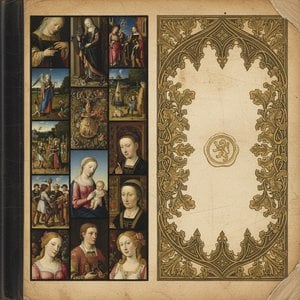
Sir Peter Lely: Karališkojo dvaro sapnių paveikslininkas
Sir Peter Lely, gimęs 1618 m. Vestrebiuje, Soeste, buvo asmenybė, kurios gyvenimas ir karjera išskleisėjo tarp dviejų kontinentų, galiausiai paskirtusi jį svarbiausiu portretistu Anglijos dvaro paveikslininkas vėliavo Stuartų laikotarpiu. Jo kelionė prasidėjo siekiant tragiško Triesnio metų karo, o olandiška kilmė suformavo meninę jautrią, giliai įsišaknijusią tiek Šiaurės Europos tradicijose, tiek augančiame baroko stiliuje. Pradiniam mokymuisi Haarleme, dirbant su Šv. Lukos gilės meistru Pieteriu de Grebberiu, Lely tobulino savo įgūdžius kruopščios flamų tapybos technikos meistriškumu – tai buvo pagrindas, kuris vėliau itin stipriai paveikė jo ankstyvąjį kūrybinį kelią. Tačiau būtent persikelbimą į Angliją apie 1643 metus pasižymėjo jo palikimas, paversdamas jį iš meistriško pramenėlio dvaro aukščiausiu asmeniu ir itin svarbia figūra formuojant Anglijos meninę tapatybę.Aniečiosios metai ir įtaginiai veiksniai: Tiltas tarp Šiaurės ir Pietų
Lely ankstyvieji paveikslai atskleidžia įtraukiančią įtakų sintezę. Pradžioje jis kūrė mitologines ir religines scenas, dažnai įtrauktas idiliškų pastoralinių kraštžemonių – stiliaus, primenančio Anthony van Dyck, kuris tapo neįtikėtinai populiarus Angliją dvaro žymėtumas prieš savo ankstyvąją mirtį 1641 metais. Šie darbai demonstruoja aiškią pagarbą Van Dyck elegantiškoms kompozicijoms, subtiliems figūroms bei meistriškam šviesos ir šešėlio naudojimui. Vis dėlto, Lely paveikslams taip pat būdingas išskirtinis žemietiškumas, atspindintis Haarlem tradicijas ir įtraukiantis Šiaurės Europos realizmo elementus. Jo kūrybai ypač įtakos pavedė olandų barokas, kas skaitoma jo dėmesiui detalėms, gyvoms spalvų paletėms ir dinamiškoms kompozicijoms. Tokio laikotarpio politinis netolygumas, pažymimas Anglijos civiliniuoju karu, neabejotinai nustatė Lely meninius pasirinkimus, paskatindamas perėjimą prie intymnesnių portretų, kurie įtrapintų asmenines savybes tų, kurie lankėsi dvare.Stilius ir technika: Šviesos ir formos meistras
Lely meninis stilius pasižymi elegancija, liežde ir išskirtiniu techniniu meistriškumu. Jis turėjo išimtinį gebėjimą vaizduoti audinius su stingrinančiu realizmu – tai tapo jo portretų žyminė – o šviesos ir šešėlio naudojimas sukūrė gylio bei atmosferos pojūtį, kuris užburia žiūrovus. Nors pradinėje stadijoje buvo paveikiamas Van Dyck subtilaus stiliaus, Lely išрабоė stipresnį ir išraiškingesnį būdą, suteikdamas savo subjektams asmenybę ir charakterį. Jo kompozicijos dažnai yra dinamiškos ir įtraukiančios, nukreipiančios akį į pagrindinius kadrą sudariusius elementus. Jis taip pat buvo aistringas senųjų meistrų piešinių kolekcionierius, kas neabejotinai turėjo įtakos jo supratimui apie anatomiją, perspektyvą ir menines principus.Palikimas ir istorinė reikšmė
Sir Peter Lely poveikis Anglijos menui yra neįginojamas. Jis įtvirtino dvaro portretų tradiciją, kuri išgyveno daugybę kartų, formuojant valdžios ir statuso vizualinį atspindį monarchijoje. Jo įtaka išsivældė už techninio meistriškumo ribų; jis skatino meninę pasitikėjimo ir inovacijų jausmą, prisidedamas prie meno žydėjimo Restauracijos laikotarpiu. Nors jo stilius kartais linko į pakartojimą – savybę, dažnai priskirtam poreikiui sukurti daugybę portretų dvarieninkams – Lely palikimas išlieka tvirtas kaip vieno svarbiausių ir įtakingiausių Anglijos paveikslininkų. Jo kūriniai ir toliau vertinami dėl jų grožio, elegancijos bei įžvalgingo žmogaus charakterio vaizdavimo, užtvirtindami jo vietą meno istorijoje kaip „Karališkojo dvaro sapnių paveikslininko“.Klausimai ir atsakymai
Ar galiu peržiūrėti Peteris Lely darbus pagal medžiagą?
Peteris Lely darbus pagal technikas galima peržiūrėti jo/jos puslapio Visi mediai skiltyje.
Kur galiu rasti statistiką apie Peteris Lely kūrybinę veiklą?
„ši ši internetinė svetainė“ platformoje yra Statistika puslapis šiam kūrinys autoriui Peteris Lely, kuriame pateikiama statistika apie Peteris Lely kūrinius.
Kaip galiu stebėti Peteris Lely kūrybos eigą metmet metams?
Peteris Lely kūriniai chronologine tvarka galima rasti puslapio Kūrybos chronologija kūrinio chronologijoje.