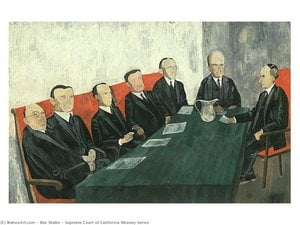
Pradiniai metai ir socialinės sąmonės sėklos
Benjaminas Šahnas gimė Kaune, Lietuvoje, 1898 metais – laikotarpiu didžiulių socialinių suirutės ir politinių neramų, k skirtingai tyrinančių rytų Europos žydų bendruobėms. Ankstyvas susidavimas su sunkiausia gyvenimo realybe ir nespėstumu vėliau kruopščiai suformavo jo meninę viziją. 1906 metais jo šeima emigravo į Jungtines Valstijas, įsikurdama Niujorko žemiajame East Side, gyvybingame tarybinio krašto „tigre“, kurio pulsuojantį imigrantų gyvenimą lydėjo skurblas ir išnaudojimas. Šahno metalininką dirbantis tėvas jam įsidieginė stipri darbo etika ir vertinimas meistriškumui, o kaimynų kastingai sufleravo gilią socialinės atsakomybatsako jausmą. Pradinai jis buvo pritrauktas fotografijos kaip priemonių dokumentuoti aplinkinę pasaulį, vėliau studijavo Nacionalinėje dizaino akademijoje ir Art Students League, tačiau tradicinis akademinis mokymas jam atrodė dūginantis. Dirbdamas įvairiuose darbuose – įskaitant mokomąsias praktikas su skelbimų dažytojais ir fotografais – jis tobulino savo techninius įgūdžius ir tiesiogiai stebėjo darbo klasės gyvenimą. Šie formavimo metai buvo lemiami unikaliems Šahno estetinės jautros kūrimui – tai buvo realizmo, liaudies meno įtakų ir augančio įsipareigojimo naudoti meną kaip socialinės komentaro priemonę derinys. Jis nebuvo tik stebėtojas; jis sugeria raščius, įrašytus veiduose ir aplinkoje žmonių, kurie jį surroundavo, ruošdamas juos išversti į galingas vizualines naracijas.WPA metai: Muralai ir naratyvo galia
1930-taliai tapo lūžio tašku meninėje Šahno plėtroje. Didžioji Depresija padėjo ilgą šešėlį Amerikai, o Darbo pažangos administracija (WPA) suteiką menininkams nepaprastų galimybių kurti viešąjį meną. Šahnas buvo įdarbintas kaip WPA Federalinio meno projekto menininkas, kur jis pradėjo kurti muralų seriją, kuri užtvirtino jo reputaciją kaip pagrindinio socialinio realizmo paveikslučio kūrėjo. Jo garsiausias muralų ciklas, „Jersey Homesteads legenda“, nufilmuotas 1937–1938 metais būtent paštui Homestead, New Jersey, yra galingas įrodymas apie bendradarbiavimo dvasią ir darbo žmonių kovas Depresijos era. Darbas vaizduoja žaudimo istoriją apie nesėkmingą utopinę bendruomenę, įkurtą drabužių gamybos darbininkų, siekiančių ekonominio nepriklausomybės. Šiuo metu Šahno stilius pasižymėjo supaprastintomis formomis, ryškiomis spalvomis ir plokščiu perspektyvu – primenančiu liaudies meno tradicijas ir ankstyvosjo Renesanso freskos. Jis tyčia vengė tradicinių herojinių vaizduotės koncepcijų, dėjęs dėmesį į kolektyvinę paprastų žmonių patirtį. Šie muralai nebuvo tik iliustracijos; jie buvo kruopščiai sukonstruoti pasakojimai, skirti šviesti ir įkvėpti žiūrovus apie socialinių pokyčių galimybes.- Pagrindinės savybę: Supaprastintos formos, ryškios spalvos, plokščias perspektyva.
- Įtakos: Liaudies meno tradicijos, ankstyvojo Renesanso freskos, Meksikos muralistai, tokie kaip Diego Rivera.
Sacco ir Vanzetti: Lemiamas ciklas
Šahno įsipareigojimas teisingumui pasiekė savo stipriausią išraišką jo paveikslų serijoje, skirtos kontroversištai Nicola Sacco ir Bartolomeo Vanzetti bylai – dviems italių kilmės amerikiečių anarchistams, nuaudžiamuems 1927 metais už nužudymą. Šahnas galingai tikėjo jų nekaltumu ir jų procesą matė kaip sisteminės šališkumo bei neteisybės simbolį Amerikos teisinėje sistemoje. Per visą savo karjerą jis kūrė daugybę šia tema susijusių darbų, pradėdamas nuo litografijų serijos 1931–1932 metais. Šie vaizdai nėra tiesioginiai įvykių aprašymai, o labiau emocin런iai įkrauti portretai ir simbolinės reprezentacijos, perteikiančios jų likimo tragediją ir nespėstą. Sacco ir Vanzetti kanonija, ypač stipri litografijų grupė, traukia paraleles tarp Sacco ir Vanzetti nuobrodojimo ir Kristaus kryžiajauliavimo, pakeliant juos į šahidų statusą. Serija pasižymi ryškiu juodai ir baltai kontrastu, fragmentuotomis formomis ir šiurpiu vaizduotumu, sukuriant gilaus liūdesio ir pykčio pojūtį. Šis darbas užtvirtino Šahno reputaciją kaip politiškai įsipareigojusio menininko, pasirendeusio naudoti savo meną iššūkiamant valdžią ir gynant socialinius pokyčius.Vėlesni darbai ir tęsiamas advokatavimas
Po Antrojo pasaulinio karo Šahnas toliau tyrinėjo teisingumo, žmogaus orumo ir prasmės paieškos temas sparčiai kintančiame pasaulyje. Jo stilius laikui bėgant evoliucionavo, įsisavinėdamas abstrakčios ekspresionizmo elementus, tačiau išlaikydamas pagrindinį tikslą – realizmą ir naratyvinį aiškumą. Jis gavo daugybę užsakymų viešiesiems meno projektams, įskaitant muralus sinagogoms ir valstybiniams pastatams. 1950-aisiais jis vis labiau susirūpinęs branduolinio karo grėksme sukūrė paveikslų ir spaudinių seriją, perspėjančią apie atominės plėtros pavojus. Jo darbai taip pat atspindėjo augantį susidomėjimą žydų istorija ir kultūra, tyrinėjant tremties, persekiojimo ir atsparumo temas.- Tyrinėtos temos: Socialinis teisingumas, žmogaus garbė, prasmės paieška, branduolinis karas, žydų istorija.
- Stiliaus evoliucija: Abstračios ekspresijos įtraukimas išlaikant realizmą ir naratyvinį aiškumą.
Istorinė reikšmė ir palikimas
Benjaminas Šahnas yra milžiniška figūra Amerikos meno istorijoje, garsėjanti savo galingu socialiniu komentaru ir nekintamu siekiu laikytis humanistinių idealų. Jis buvo pagrindinis socialinio realizmo eksponentas, naudojęs meną, kad atskleistų neteisybę, gynėtų marginalizuotus asmenis ir iššūk चांदी prevailing power structures (prevailing power structures). Jo darbai giliai rezonavo su auditorija Depresijos era ir šiandien toliau įkvepia menininkus bei aktyvistus. Šahno įtaka matoma daugybės šiuolaikinių menininkų darbuose, kurie nagrinėja socialinius ir politinius klausimus. Jis įrodė, kad menas gali būti galingas pokyčių jėga, gebanti kelti sąmonę, skatinti empatiją ir įkvėpti veiksmus. Jo muralai, paveikslai ir litografijos išlieka stipriais priminimais apie kovą dėl teisingumo ir lygybės, užtikrinant jo neįgamą palikimą kaip vieno svarbiausių socialiai įsipareigojusių Amerikos menininkų. Jo darbai ir toliau tarnauja kaip įrodymas meno galiyai būti liudininku, skatinti mąstymą ir galiausiai prisidėti prie teisingesnio bei atsiếtingesnio pasaulio.Questions & Answers
Iš kokios šalies yra Benjaminas Šahnas?
Benjaminas Šahnas gimė Lietuva.
Kaip rasti Benjaminas Šahnas darbus konkrečia tema?
Benjaminas Šahnas puslapio Pagrįsta raktažodžiais skiltyje kūriniai suskirstyti pagal raktinius žodžius.
Kokia yra Benjaminas Šahnas gimimo vieta ir gimimo metai?
Benjaminas Šahnas gimė Kaunas 1898 m.
Kuriame mieste ir šalyje gimė Benjaminas Šahnas?
Benjaminas Šahnas gimė Kaunas, Lietuva šalyje.
Kurių spalvų Benjaminas Šahnas naudojo dažniausiai?
Benjaminas Šahnas Paletės genoma yra puslapis, kuriame pateikiamas kūrybos efortų spalvų profilis.
Ar galima rasti Benjaminas Šahnas kūrybos darbų pagal spalvą?
Benjaminas Šahnas kūrybą pagal spalvas galite tyrinėti puslapio Spektro indeksas svetainėje.
Ar galiu peržiūrėti Benjaminas Šahnas kūrybą pagal stilių?
Benjaminas Šahnas kūrybą pagal stilių galima peržiūrėti puslapio Visi stiliai skiltyje.