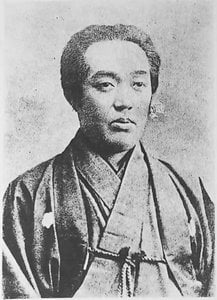
Tsukioka Yoshitoshi: Ukiyo-e Pabaigimo Šviesos Atspindžiai
Tsukioka Yoshitoshi, gimęs Owariya Yonejiro 1839 metais senojo Edo (dabartinės Tokijo) gatvių šurmulėjime, iškilęs figūra Japonijos meno istorijoje. Jis plačiai apdovanojamas kaip paskutinis didysis *ukiyo-e* – „plaukiojančio pasaulio paveikslų“ – meistras, tačiau jį apibrėžti tik šiuo titulu būtų nepakankama. Yoshitoshi nebuvo tradicijų išlaikytojas; jis buvo naujovatorius, vizualus pasakotojas, kuris be baimės užfiksavo Japonijos, patirianios radikalų pokytį, sielą. Jo gyvenimas susidūrė su visuomenės sukilimu – Tokugawa šogūnato nykimo metais, Meidzžio atkuriamuoju periodu ir Vakarų idėjų staigiu įtaka – visa tai giliai paveikė jo meninę viziją. Iš kuklių pradžių, prekevičiaus sūnus, pakeltas į samurajaus statusą, Yoshitoshi kelias nuvedė jį į mokyklą pas Utagawa Kuniyoshi, meistrą, kurio įtaka buvo nepagrindinė. Šis formavimo laikotarpis ne tik įskiepijo jam techninius įgūdžius, bet ir gilų dėmėsį istorijoms ir dinamiškoms kompozicijoms.
Mokymasis ir Meninis Savarankiškumas
Yoshitoshi ankstyvieji metai buvo pripildyti *ukiyo-e* mokymo disciplinos po Kuniyoshi vadovavimu. Jis įsisavino savo meistro technikas, tobulindamas piešimo įgūdžius ir mokydamasis versti istorijas į patrauklias vizualias formas. Tačiau Yoshitoshi greitai ėmė kelyti savu keliu. Nors pradžioje dirbo pagal nustatytas konvencijas, jis netrukus parodė norą peržengti ribas, ypač savo smurtui ir mirties vaizduose. Tai nebuvo be reikalo rodymas, bet ir epochos neramumų bei asmeninių tragedijų atspindys – tiek jo tėvo, tiek Kuniyoshi netekimas giliai paveikė jo meninę kryptį. 1860-ųjų viduryje Yoshitoshi pelnė pripažinimą už tai, kas buvo žinoma kaip „kraujo spaudiniai“ – serija, pasižyminti grafiniu vaizdu ir dramatišku intensyvumu. Serijos, tokios kaip *Eimei nijûhasshûku* (Dvidešimt aštuoni garsūs nužudymai su eilėraščiais), šokavo ir pakerėjo publiką, parodydamos brutalų žudymą su stulbinančiu realizmu. Šis noras susidurti su tamsiomis temomis atskyrė jį nuo daugelio savo to laikų bendražygių. Jis eksperimentavo su skirtingais serialais ir temomis, įskaitant populiarius *Tsūzoku saiyūki* („Šiuolaikinis kelionės į vakarus“) ir *Wakan hyaku monogatari* („Šimtas istorijų iš Kinijos ir Japonijos“), demonstruodamas universalumą, kuris dar labiau sustiebo jo reputaciją.
Naujovė Besikeičiančiame Pasaulyje
Yoshitoshi genijus slypėjo ne tik jo temose, bet ir meninėse technikose. Jis meistriškai sujungė tradicinius japonų estetiką su Vakarų įtaka, įtraukdamas perspektyvos ir kompozicijos elementus, gautus iš importuojamų spaudinių ir gravirų. Šis derinys sukūrė unikalų vizualinį kalbos būdą, kuris buvo tiek aiškiai japonietiškas, tiek pastebimai modernus. Japonijai priimant modernizaciją, tokios naujos technologijos kaip fotografija ir litografija grasino pačiai *ukiyo-e* egzistencijai. Yoshitoshi suprato šį iššūkių ir atsakė pakeldamas savo amatą į precedento neturintį meninį lygį. Jis eksperimentavo su spalvų paletėmis, tobulino savo graviravimo technikas ir stūmėsi istorijų pasakymo ribas medžio raižos terpėje. Jo serija *Musha Burui* (Kariniai spaudiniai) puikiai iliustruoja šį įsipareigojimą – kiekvienas spaudinys yra dinamiškas veiklos ir emocijų sprogimas, demonstruodamas jo įgūdžius vaizduojant herojiškus veikėjus ir dramatiškas kovas. Jis suprato, kad išlikti reikia evoliucionuoti, ir jis pasišventė užtikrinti šios formos tęstinumą.
Palikimas ir Tvarus Įtaka
Nepaisant didelių iššūkių – finansinių sunkumų, asmeninių kovų ir tradicinių menų formų nykimo – Yoshitoshi liko nepajudėdamas savo įsipareigojimu *ukiyo-e*. Jis nuolat dirbo iki mirties 1892 metais, palikęs didelį darbų korpusą, kuris ir toliau sukelia stebulį ir gerbtumą. Nors jo tiesioginė įtaka vėlesnėms Japonijos menininkų kartoms yra ginčijama, neatsiejama nuo jo istorinės reikšmės. Yoshitoshi išlieka paskutiniuoju didžiuoju *ukiyo-e* meistru, kertiniu veikėju, kuris išlaikė ir pakėlė meno formą per gilias pokyčių metais. Jo spaudiniai yra daugiau nei tik gražūs objektai; tai langai į praeitį, galiingos žmogaus emocijų ekspresijos ir amžinios meninės kokybės simboliai.
Paskutinis Akcentas: Yoshitoshi Tvarus Poveikis
- Tradicių Išlaikymas: Greitai modernizuotoje Japonijoje Yoshitoshi gynė tradicinius medžio raižymo metodus.
- Meninė Naujovė: Jis sklandžiai sujungė japonų estetiką su Vakarų įtaka, sukūręs unikalų ir dinamišką stilių.
- Pasakojimo Galia: Jo spaudiniai yra žinomi dėl savo patrauklios istorijų pasakymo ir dramatiško intensyvumo.
- Istorinis Dokumentas: Yoshitoshi darbai suteikia vertingą įžvalgą apie 19-ojo amžiaus Japonijos socialinę, politinę ir kultūrinę panoramą.
- Jo patvaraus palikimo liudija jo meninės kūrinių nuolatinis pripažinimas kolekcionierių ir meno entuziastų visame pasaulyje.
Yoshitoshi gyvenimas buvo kova su laiku, drąbus bandymas išsaugoti brangią meninę tradiciją susiduriant su persunkiančiomis permainomis. Jis ne tik išlaikė *ukiyo-e*, bet ir jį pakėlė, palikęs darbų korpusą, kuris ir toliau žavina ir įkvepia.


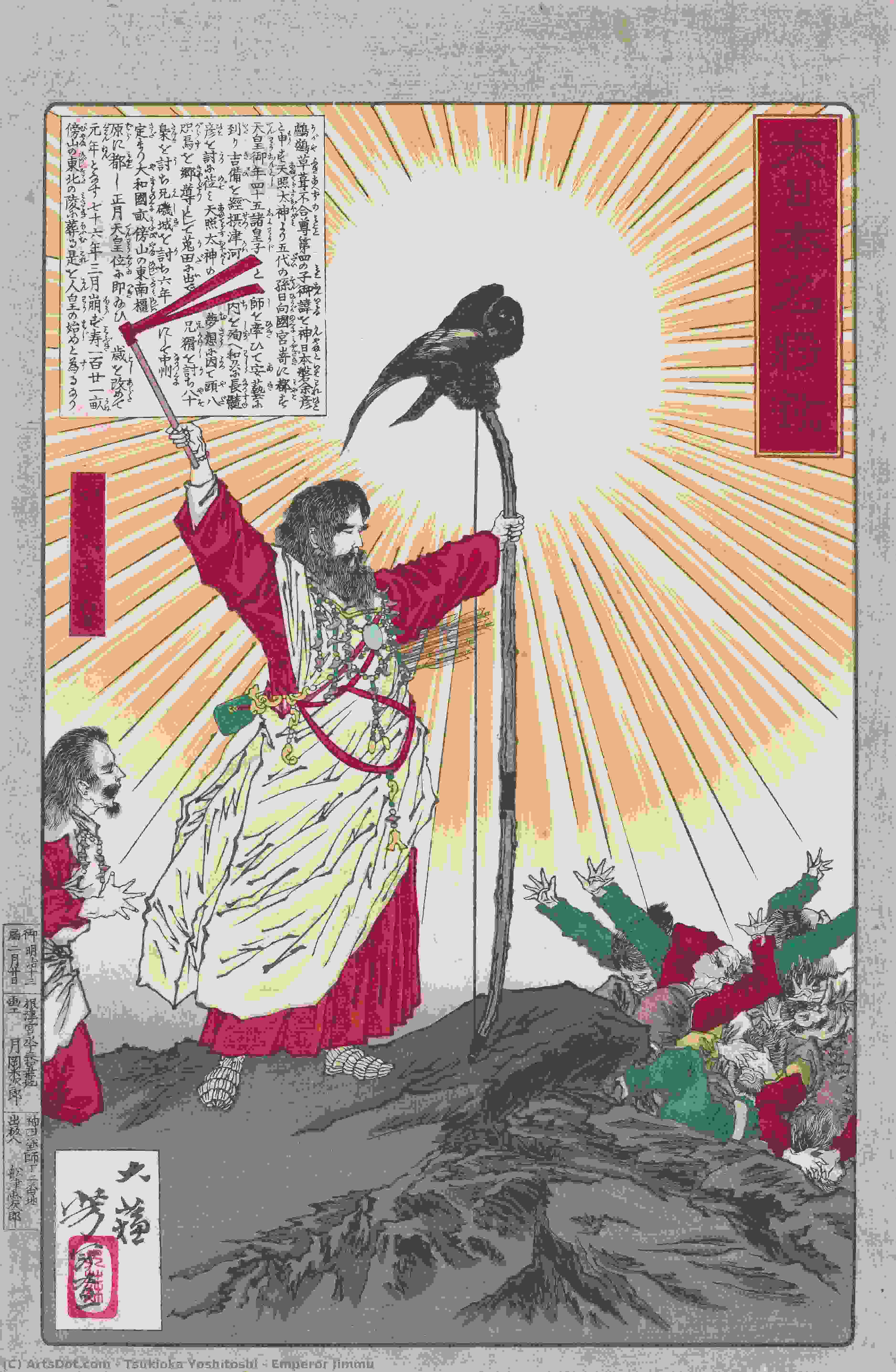
 Peržiūrėti realaus dydžio版
 Perjungti į spausdinimą
 Siųsti
 Dalintis
 Išsamiau
 Vadovas

 Atsisiųsti
 Panašūs eksponatai
 Rentgeno spindulių nuotrauka
 Diaporama
 Statistika
 Rodyti daugiau






































 Stiklo variantas prieinamas tik pasirinkus dydį iki 110 cm