x


 Pirkti atspaudą Pirkti skaitmeninį paveikslą
 Pasidalinti
 Details
 Pridėti į mėgstamiausius
 Atsisiųsti
 Panašūs eksponatai
 X-Ray
X-Ray
 Automatinė diorama
Rankiniu būdu tapytas aliejus ant droblio jūsų pageidaujamame dydį ir rėmuose – mūsų menininkų darbas pagal užsakymą.





























Pasirinkite iš mūsų nustatytų dydžių, atitinkančių originalaus meno kūrinio proporcijas.

Galite įvesti savo matmenis, kad jie atitiktų konkretų rėmą ar erdvę. Jei pasirinktas dydis neatitinka originalaus paveikslėlio proporcijų, mes arba apkropsime meno kūrinį, arba papildysime tapybą rankomis dažytい elementais. Prieš pradėdami gamybą, jūsų patvirtinimui atsiųsime skaitmeninį maketą.
Atkreipkite dėmesį, kad ekrane rodomas vaizdas neatspindi tikrojo apkarpymo ar papildymo. Tik maketas tiksliai parodys galutinę kompoziciją.
Nors galima rinktis ir individualius dydžius, rekomenduojame pasirinkti matmenis iš nustatytos sąrašo, kad būtų išlaikytos originalios proporcijos.
Pristatymas visame pasaulyje () per 3–4 savaites, o ne įprastai – per 5 savaites. (1 liepa). Kokybė lieka nepakeičiama.


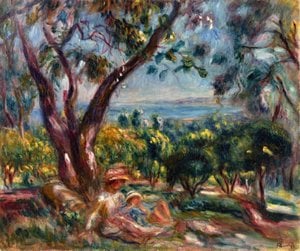
Landscape with Orchard
Reprodukcijos matmenys
Pierre-Auguste Renoir’s “Landscape with Orchard,” painted in 1910, stands as a quintessential example of Impressionism's pursuit of capturing fleeting moments and sensory experience. More than just a depiction of a rural scene—a field brimming with orange blossoms and mature trees—it embodies Renoir’s masterful ability to translate atmosphere into pigment, inviting viewers into the tranquil beauty of Breton countryside.
Renoir adhered rigorously to Impressionistic principles. Unlike academic painters who prioritized meticulous detail and idealized forms, he sought to represent light as it dances across surfaces—a technique famously championed by Claude Monet and fellow Impressionists. The painting’s brushstrokes are loose, visible, and blended softly, creating an illusion of shimmering color and movement. Renoir employed a palette dominated by warm hues – ochre yellows, burnt oranges, and rosy reds – mirroring the vibrancy of the orchard blossoms and reflecting the golden light filtering through the branches.
Painted during Renoir’s prolific period, “Landscape with Orchard” reflects the broader artistic currents of its time. Impressionism emerged as a reaction against Romantic idealism, rejecting grand narratives and emotional melodrama for a focus on everyday life and sensory perception. The painting captures the spirit of Belle Époque France—a time of optimism, technological advancement, and burgeoning leisure culture—where artists like Renoir were increasingly interested in portraying scenes of pastoral tranquility.
The orchard itself holds symbolic significance. Traditionally associated with fertility, abundance, and renewal, it represents a harmonious connection between humanity and nature. The presence of figures strolling through the field suggests contemplation and appreciation for the natural world—a theme recurrent throughout Renoir’s oeuvre. Even the horse, positioned centrally, contributes to the composition's balance and reinforces the sense of serenity.
"Landscape with Orchard" transcends mere visual representation; it evokes a profound emotional response. The soft light, diffused color palette, and gentle brushstrokes create an atmosphere of peace and contentment. Renoir’s aim wasn't simply to depict what he saw but to convey how he *felt*—a feeling of blissful immersion in the beauty of summer afternoons. This masterful achievement is precisely why reproductions of this artwork continue to inspire collectors and interior designers alike, transporting viewers back to a moment of idyllic tranquility.




1841 - 1919 , Prancūzija

Discover the captivating realist paintings of Léon Augustin L'Hermitte, masterfully depicting French rural life. Explore his technique, influences & legacy – a cornerstone of 19th-century art.

Explore the captivating landscapes of Gustave Loiseau, a key Post-Impressionist painter. Discover his unique 'en treillis' technique and artistic legacy with our comprehensive guide.

Explore the rich history of rural landscape painting with WahooArt. Discover Impressionist masterpieces, key artists & movements. Find your perfect serene artwork and bring nature's beauty home.

Explore the rich history of pastoral landscape art, from classical Arcadia to Impressionism & beyond. Discover key artists, movements, and how to collect serene rural scenes for your home. Expert insights at WahooArt.
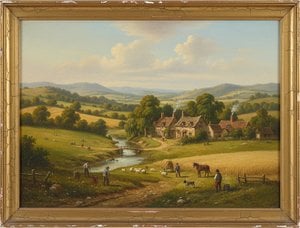
Explore the rich history of rural life in painting! Discover Impressionist masterpieces, Italian Macchiaioli scenes & the enduring appeal of pastoral landscapes. Find your perfect artwork at WahooArt.


Sekite naujausias meno naujienas, išskirtinius pasiūlymus ir dekoravimo idėjas.
Pasakokite mums apie savo projektą, o mūsų meno ekspertai parengs jums 3 asmeniškus meno pasiūlymus.
Leiskite mums parinkti 3 variantus būtent jums – nemokamai!
 Dalintis









 Skaityti daugiau
 Stiklo variantas prieinamas tik pasirinkus dydį iki 110 cm