


x


 Pirkti atspaudą Pirkti skaitmeninį paveikslą
 Pasidalinti
 Details
 Pridėti į mėgstamiausius
 Atsisiųsti
 Panašūs eksponatai
 X-Ray
X-Ray
 Automatinė diorama
 Aliejus ant drobėsSienų dekoracijosRomanticism
 1826XIX amžius
 143.0 x 122.0 cm
 Nacionalinė galerija
Rankiniu būdu tapytas aliejus ant droblio jūsų pageidaujamame dydį ir rėmuose – mūsų menininkų darbas pagal užsakymą.





























Pasirinkite iš mūsų nustatytų dydžių, atitinkančių originalaus meno kūrinio proporcijas.

Galite įvesti savo matmenis, kad jie atitiktų konkretų rėmą ar erdvę. Jei pasirinktas dydis neatitinka originalaus paveikslėlio proporcijų, mes arba apkropsime meno kūrinį, arba papildysime tapybą rankomis dažytい elementais. Prieš pradėdami gamybą, jūsų patvirtinimui atsiųsime skaitmeninį maketą.
Atkreipkite dėmesį, kad ekrane rodomas vaizdas neatspindi tikrojo apkarpymo ar papildymo. Tik maketas tiksliai parodys galutinę kompoziciją.
Nors galima rinktis ir individualius dydžius, rekomenduojame pasirinkti matmenis iš nustatytos sąrašo, kad būtų išlaikytos originalios proporcijos.
Pristatymas visame pasaulyje () per 3–4 savaites, o ne įprastai – per 5 savaites. (2 liepa). Kokybė lieka nepakeičiama.


The Cornfield
Reprodukcijos matmenys
John Constable's "The Cornfield," painted in 1826, is more than just a landscape; it’s an evocative portrayal of rural life and the deep connection between humanity and nature. This oil-on-canvas masterpiece, residing within the esteemed National Gallery in London, captures a fleeting moment – “Landscape: Noon,” as it was originally titled – with remarkable detail and emotional depth. Measuring 143 x 122 cm, the painting exemplifies Constable's commitment to realism and his profound love for the Suffolk countryside surrounding his home in Dedham Vale.
The composition is carefully orchestrated to draw the viewer into the scene. A lane gently slopes towards a bend, leading the eye through a vibrant cornfield bathed in the warm light of midday. A shepherd boy drinks from a pool, while sheep graze peacefully nearby, creating a sense of tranquility and pastoral harmony. The presence of horses and a dog further enriches the narrative, depicting everyday life within this idyllic setting. Constable’s technique is characterized by meticulous brushwork and an exceptional understanding of natural light. He paid close attention to botanical accuracy, consulting with botanist Henry Phillips to ensure the precise depiction of flora. This dedication to detail elevates the painting beyond mere representation; it becomes a celebration of the English countryside's inherent beauty.
"The Cornfield" emerged during the Romantic era, a period that emphasized emotion, individualism, and the sublime power of nature. Constable’s work stood apart from the prevailing artistic trends of historical painting, instead championing the beauty of everyday landscapes. His focus on personal observation and emotional connection with his surroundings was revolutionary for its time. The painting reflects a growing appreciation for rural life in 19th-century England, as industrialization began to transform the nation's landscape. Constable’s dedication to capturing the authenticity of this changing world resonated deeply with contemporary audiences.
Beyond its aesthetic beauty, "The Cornfield" carries a profound symbolic weight. The corn itself represents abundance and prosperity, while the tranquil scene evokes a sense of peace and belonging. Constable’s masterful use of light creates an atmosphere of warmth and serenity, inviting viewers to immerse themselves in the idyllic setting. The solitary figure of the shepherd boy suggests contemplation and connection with nature, reinforcing the painting's overall message of harmony and tranquility. The work continues to inspire awe and admiration, reminding us of the enduring power of art to capture the essence of a place and evoke deep emotional responses.
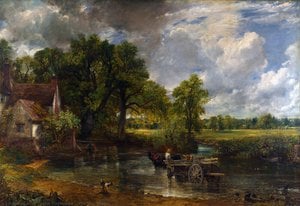


1776 - 1837 , Jungtinė Karalystė

Atraskite 25 įspūdingiausius Džono Konsteblio paveikslus! Romantizmo meistro gamtos vaizdai, Dedham Vale peizažai ir meno istorijos šedevrai. Meno reprodukcijos jūsų interjerui – WahooArt.com
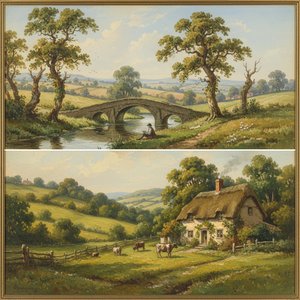
Explore the serene landscapes of John Fulleylove (1845-1908), a celebrated English artist. Discover his charming watercolours & oils, evocative travel illustrations, and lasting legacy. Learn about his life, exhibitions, and artistic style.

Explore the captivating landscapes of David Cox the Elder, a pivotal figure in British Romanticism. Discover his masterful watercolour techniques, enduring legacy & find timeless art for your home at WahooArt.

Explore the rich history of pastoral landscape art, from classical Arcadia to Impressionism & beyond. Discover key artists, movements, and how to collect serene rural scenes for your home. Expert insights at WahooArt.

Explore the captivating landscapes & portraits of Brian Hatton (1887-1916), a promising British artist lost too soon. Discover his unique style, Herefordshire roots, and lasting legacy in early 20th-century art.


Sekite naujausias meno naujienas, išskirtinius pasiūlymus ir dekoravimo idėjas.
Pasakokite mums apie savo projektą, o mūsų meno ekspertai parengs jums 3 asmeniškus meno pasiūlymus.
Leiskite mums parinkti 3 variantus būtent jums – nemokamai!
 Dalintis

 Skaityti daugiau







 Stiklo variantas prieinamas tik pasirinkus dydį iki 110 cm


