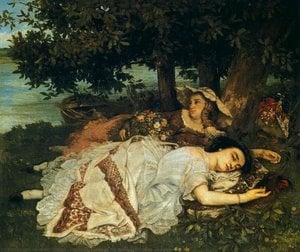
Gustavo Kurbė: Realizmo Revoliucija Ant Drobelės
Ornano kaime, Prancūzijoje, 1819 m. birželio 10 d. gimęs Žanas Desirė Gustavo Kurbė tapo neeiliniu atradėju meno pasaulyje. Jo istorija – tai ne tik dažų ir drobės pasakojimas, bet ir socialinių komentarų, politinio įsitikinimo bei nepajudinamojo noro pavaizduoti pasaulį tokį, kokį jis matomas – be idealizavimo, atvirai ir giliai realiai. Augęs gana turtingoje buržujų šeimoje, Kurbė sulaukė motinos palaikymo savo meniniais siekiais, kas paskatino meno revoliuciją. Formalus jo mokymasis prasidėjo École des Beaux-Arts Paryžiuje 1839 m., tačiau jis netrukus pajuto nepasitenkinimą dėl vyraujančių akademinių konvencijų ir romantinio idealizmo. Nors pripažindamas įtaką tokiems dailininkams kaip Žanas Ogė Delakrua ir Teodoras Gerikas, Kurbė sukūrė savo kelią – prioritetą skyręs stebėjimui, o ne vaizduotei, tiesai – tradicijoms.
Realizmo Gimimas: Iššūkis Meniniams Kanonams
Kurbės meninis vystymasis buvo pažymėtas sąmoningo dabartinių estetikos standartų atmetimo. Jis nebuvo suinteresuotas mitologinėmis pasakomis ar herojiniais alegorijomis; jo žvilgsnis buvo nukreiptas į kasdienį paprastų žmonių gyvenimą, ypač tuos, kurie dirba ir gyvena kaimo vietovėse. Šis atsisakyimas pavaizduoti pasaulį be gražinimo – tai, kas vėliau taps žinoma kaip realizmas – iš pradžių susidūrė su kritikų nepritarimu, įpratę į labiau poliruotus ir idealizuotus vaizdus. Ankstyvieji darbai tyrė peizažus ir portretus, tačiau greitai perėjo prie scenų, kuriose pavaizduotas darbo žmonių gyvenimas, sukurtas monumentaliu masteliu, paprastai rezervuotu istorinėms ar religinėms drobėms. Šis sąmoningas pasirinkimas nebuvo tik stilistinis; tai buvo pareiškimas apie šių dažnai pamirštamų subjektų įgimtą orumą ir svarbą.
Akmenskaldžiai, baigti 1849 m., bet tragiškai sunaikinti Antrojo pasaulinio karo metu, puikiai iliustravo šį požiūrį – atšiauri du darbo žmonių vaizdinys, jų veidai paslėpti nuovargio ir vargo.
Šis paveikslas, kartu su tokiais kūriniais kaip Laidotuvės Ornane (1850 m.), iššūkį metė pačiai „vertos“ meno sampratos apibrėžčiai.
Svarbiausi Darbai ir Meninė Filosofija
Laidotuvės Ornane, monumentalus drobė, kuriame pavaizduotas kaimo laidotuvių scenas, sukėlė sumetimą, kai buvo eksponuotas 1850–1851 m. Jo dydis – paprastai rezervuotas didelioms istorinėms drobėms – kartu su atšiauriu realizmu ir emocijų idealizavimo nebuvimu šokavo publiką. Kurbė nepavaizdavo gedulingųjų kaip kilnių ar kančioti narių; jis juos pristatė kaip paprastus žmones, kurių veidai išgraviruoti liūdesio, nuobodulio ir atsisakymo mišiniu.
Šis tiesumo principas buvo revoliucinis. Jo meninė filosofija driekiasi ne tik už tematikos, bet ir už technikos. Jis pirmenybę teikė tiesiogiai, impasto stiliui – tirštai dengiant dažais drobę – pabrėždamas pačios terpės materialumą.
Dailininko studija (1855 m.), alegorinis kūrinys, atspindintis jo meninius įsitikinimus ir santykį su šiuolaikiniu socialiniu požiūriu, dar labiau sustiprino jo reputaciją kaip provokuojančio ir nepriklausomo dailininko. Jo dalyvavimas Salon des Refusés 1863 m. – parodoje, kuriame buvo eksponuoti oficialiojo Salono atsisakyta kūrinių – įtvirtino jį kaip maištlingą ir meninės laisvės šventėją. Net peizažai, tokie kaip
Vaizdas Fontainebleau miške (1855 m.), buvo persunktas realizmo jausmu, užfiksuodamas miško natūralų grožį be jo romantizavimo.
Palikimas ir Istorinė Signifikacija
Gustavo Kurbės įtaka vėlesniems meniniams judėjims neatsiejama. Nors jis semiasi įkvėpimo iš ankstesnių meistrų, tokių kaip Karavadžis dėl jų dramatiško realizmo ir šviesos bei šešėlio naudojimo, jo poveikis buvo daug didesnis nei tiesioginė imitacija. Jis giliai paveikė impresionistus ir postimpresionistus, išlaisvindamas juos nuo tradicinio atvaizdo apribojimų, skatindamas ieškoti naujų būdų pamatyti ir pavaizduoti pasaulį. Jo socialinis komentaras pavedė kelią vėlesniems socialiai įsipareigojusiems dailininkams, kurie panaudojo savo kūrybą kaip platformą politiniam aktyvismui. Kurbė nebuvo tik dailininkas; jis buvo balsingas meninės laisvės ir politinių pokyčių šalininkas, aktyviai dalyvavęs savo laikų sukrėtimuose, įskaitant 1871 m. Paryžiaus Komuną – įsitraukimas, dėl kurio teko išeiti į izoliaciją Šveicarijoje. Jis mirė 1877 m., palikęs kūrinių rinkinį, kuris ir šiandien įkvepia ir sukelia diskusijas publikai.
- Realizmo pradininkas
- Iššūkio akademiniams kanonams
- Paveikė Impresionizmą ir Post-Impressionizmą
- Meninės laisvės šalininkas
Jo palikimas yra liudijimas meno galiai iššūkiui, klausimui ir galiausiai transformuoti mūsų supratimą apie pasaulį aplink mus.



 Peržiūrėti realybėje
 Perejti prie spausdinimo
 Pasidalinti
 Dalintis
 Išsamiau

 Atsisiųsti
 Panašūs eksponatai
 Rentgeno nuotrauka
 Automatinė diorama
 Statistika

 Skaityti daugiau






































 Stiklo variantas prieinamas tik pasirinkus dydį iki 110 cm