Peržiūrėti realaus dydžio版 Peržiūrėti AR realybėje Perjungti į spausdinimą Perejti prie skaitmeninių vaizdų Siųsti
Išsamiau Vadovas Pridėti į mėgstamiausius Atsisiųsti Panašūs eksponatai Rentgeno spindulių nuotrauka Diaporama Statistika

The dance1

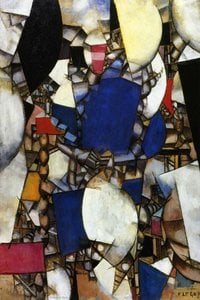
Discover "The Dance" by Fernand Léger – a captivating Cubist painting of two nude figures in a dynamic composition. Explore this iconic artwork's unique style & timeless appeal.

Atraskite Fernand Léger (1881–1955) – kubizmo ir „tubizmo“ pionieriaus kūrybą! Tyrinėkite drąsius paveikslus, apdainuojančius modernų gyvenimą, mašinas ir žmogaus formą – pop art pranašą.

Rankų darbo aliejinės reprodukcijos

Rankiniu būdu tapytas aliejus ant droblio jūsų pageidaujamame dydį ir rėmuose – mūsų menininkų darbas pagal užsakymą. ( Perjungti į spausdinimą Perejti prie skaitmeninių vaizdų)

Corner sample of the P118B picture frame: lieto polistirolo, 5 cm wide and 3 cm thick
P118B 10
Corner sample of the P118H picture frame: lieto polistirolo, 5 cm wide and 3 cm thick
P118H 10
Corner sample of the P118W picture frame: lieto polistirolo, 5 cm wide and 3 cm thick
P118W 10
Corner sample of the P438Z picture frame: lieto polistirolo, 5.5 cm wide and 3.5 cm thick
P438Z 10
Corner sample of the P508JH picture frame: lieto polistirolo, 7 cm wide and 3.5 cm thick
P508JH 12
Corner sample of the P508YH picture frame: lieto polistirolo, 7 cm wide and 3.5 cm thick
P508YH 12
Corner sample of the P805H picture frame: lieto polistirolo, 5 cm wide and 3.5 cm thick
P805H 10
Corner sample of the P805Z picture frame: lieto polistirolo, 5 cm wide and 3.5 cm thick
P805Z 10
Corner sample of the P919BZ picture frame: lieto polistirolo, 7 cm wide and 3.5 cm thick
P919BZ 10
Corner sample of the P919G picture frame: lieto polistirolo, 7 cm wide and 3.5 cm thick
P919G 10
Corner sample of the P919XJ picture frame: lieto polistirolo, 7 cm wide and 3.5 cm thick
P919XJ 10
Corner sample of the P959ZH picture frame: lieto polistirolo, 5 cm wide and 3 cm thick
P959ZH 10
Corner sample of the P968JZ picture frame: lieto polistirolo, 6 cm wide and 4 cm thick
P968JZ 12
Corner sample of the W106C picture frame: solidus medžio, 5 cm wide and 3 cm thick
W106C 8
Corner sample of the W218G picture frame: solidus medžio, 5 cm wide and 3 cm thick
W218G 10
Corner sample of the W218JH picture frame: solidus medžio, 5 cm wide and 3 cm thick
W218JH 8
Corner sample of the W218Y picture frame: solidus medžio, 5 cm wide and 3 cm thick
W218Y 10
Corner sample of the W307PJ picture frame: solidus medžio, 6 cm wide and 3 cm thick
W307PJ 10
Corner sample of the W316G picture frame: solidus medžio, 6 cm wide and 3 cm thick
W316G 10
Corner sample of the W316PJ picture frame: solidus medžio, 6 cm wide and 3 cm thick
W316PJ 8
Corner sample of the W316Y picture frame: solidus medžio, 6 cm wide and 3 cm thick
W316Y 10
Corner sample of the W398PJ picture frame: solidus medžio, 5 cm wide and 3 cm thick
W398PJ 8
Corner sample of the W4111J picture frame: solidus medžio, 6.5 cm wide and 3.5 cm thick
W4111J 10
Corner sample of the W500HY picture frame: solidus medžio, 7 cm wide and 5 cm thick
W500HY 15
Corner sample of the W500JH picture frame: solidus medžio, 7 cm wide and 5 cm thick
W500JH 15
Corner sample of the W692G picture frame: solidus medžio, 8 cm wide and 4 cm thick
W692G 12
Corner sample of the W849H picture frame: solidus medžio, 5 cm wide and 3 cm thick
W849H 8
Corner sample of the W940BG picture frame: solidus medžio, 7.5 cm wide and 4.5 cm thick
W940BG 15
Corner sample of the W953PJ picture frame: solidus medžio, 6 cm wide and 3.5 cm thick
W953PJ 8

Standartinis
individualaus dydžio
CM
INCH

Pasirinkite iš mūsų nustatytų dydžių, atitinkančių originalaus meno kūrinio proporcijas.

plotis
aukštis

Type the width and the height you need, to fit your frame or your wall. This is hand-painted, so for a size with a different shape the artist can paint a bit more around the picture, or cut a bit — you choose. We send you a digital mockup to approve before the painting starts. The picture shown on this page does not show the real result — only the mockup does.

Ką galima pakeisti (pavyzdžiai): Pakeisti veidą į kliento nuotrauką; Pridėti augintinį (pvz., pakeisti katę šunimi); Įtraukti paslėptą žinutę fone; Pakeisti fono kraštovaizdį ar elementus.
Gavus užsakymą, WahooArt.com komanda susisieks su klientu el. paštu dėl instrukcijų ir pateiks maketo pavyzdį

Pristatymas visame pasaulyje () per 3–4 savaites, o ne įprastai – per 5 savaites. (15 spalis). Kokybė lieka nepakeičiama.

Nemokamas greitasis pristatymas visame pasaulyje
Aukštos kokybės lininis drobė
Pilnas siuntimo draudimas
Muitinės mokesčių grąžinimo garantija
Tikro spalvų atitikimo garantija
100 dienų grąžinimo politika (tik esant įtaigoms)
100% pinigų grąžinimo garantija
Nuolaida dideliems užsakymams

Bendroji kaina

€ 236

The dance1

Reprodukcijos technika

Reprodukcijos dydis

-

Visų pasirinktų variantų kaina

€ 236

Pagrindinė informacija

  • style: Tubism
  • medium: painting
  • movement: Cubism, Tubism
  • dimensions: Unknown
  • notable elements: Two nude women, potted plants, vase

Karo viktorina

Kiekviename klausime yra tik vienas teisingas atsakymas.

Klausimas 1:
Fernand Léger is most closely associated with which artistic movement, characterized by simplified forms and cylindrical shapes?
Klausimas 2:
What is a prominent feature of the figures depicted in 'The dance1'?
Klausimas 3:
Besides the human figures, what other elements contribute to the composition of 'The dance1'?
Klausimas 4:
Léger’s early work was initially influenced by which art movement?

A Celebration of Modernity: Fernand Léger’s “The Dance”

Fernand Léger's "The Dance" is a captivating example of his distinctive style, often referred to as ‘Tubism,’ a unique offshoot of Cubism. This painting presents two nude female figures engaged in what appears to be a choreographed movement or pose, rendered with the artist’s signature emphasis on cylindrical forms and simplified shapes. The composition isn't about realistic representation; instead, Léger prioritizes the *structure* of form and color, creating a dynamic interplay between figure and ground.

Stylistic Innovation & Technique

Léger moved beyond traditional perspective, breaking down the human form into geometric components. This approach isn’t cold or clinical, however. The figures retain a sense of vitality through their poses and the bold application of color. Notice how Léger uses blocks of color to define musculature and create volume – a departure from the subtle shading of earlier artistic movements. The painting's surface is likely built up with layers of paint, contributing to its textural richness, though specific details about the technique used in this particular work are currently unknown. The inclusion of potted plants adds an unexpected element, grounding the abstract figures within a domestic or studio setting.

Historical Context & Artistic Development

Born in 1881, Fernand Léger witnessed and actively participated in the radical artistic shifts of the early 20th century. Initially influenced by Impressionism – as seen in works like “My Mother’s Garden” (1905) – he quickly embraced Cubism, developing his own distinct vocabulary. Léger's work reflects a fascination with modernity, machinery, and the energy of urban life. He sought to create an art that was accessible and relevant to the industrial age, moving away from purely representational forms. His association with the Puteaux Group further cemented his position as a leading figure in avant-garde painting.

Symbolism & Interpretation

While not overtly symbolic, “The Dance” can be interpreted as an exploration of the human form within a modern context. The simplified figures suggest a move away from traditional notions of beauty and towards a celebration of strength and dynamism. The potted plants might represent a connection to nature amidst the increasing industrialization of society, or simply serve as compositional elements that add depth and visual interest. The act of dancing itself can be seen as symbolic of freedom, joy, and the vitality of life.

Emotional Impact & Aesthetic Appeal

“The Dance” evokes a sense of energy and movement despite its static nature. The bold colors and geometric forms create a visually stimulating experience. It’s an artwork that invites contemplation – not necessarily about narrative content, but about the fundamental elements of form, color, and composition. Its aesthetic appeal lies in its balance between abstraction and figuration, making it suitable for both modern and contemporary interiors. The painting's vibrant energy would be a striking focal point in a living space or office environment, offering a sophisticated touch of artistic innovation.

问答 (or more naturally for a website heading): Klausimai ir atsakymai

Kokia technika sukurta „The dance1“, autorius – Fernanas Ležė?

The dance1“ sukurta naudojant Acrylic On Canvas.

Kaip galima panaudoti „The dance1“, autorius – Fernanas Ležė namų interjere?

The dance1“, autorius – Fernanas Ležė rekomenduojamas Accent, idealiai – Living Room. Naudojimo būdas ir erdvė kartu padeda suprasti, kur geriausiai tiktų reprodukcija.

Kokie kiti pseudonimai arba alternatyvūs vardai priklauso Fernanas Ležė?

Kiti Fernanas Ležė, „The dance1“ kūrybos autoriaus, vardai apima Žozefas Fernanas Anri Ležė.


Autoriaus biografija

Fernand Léger: Mašinos Amžius Ant Drobelės

Josefas Fernanas Anri Ležė, gimęs 1881 m. vasario 4 d. nuošaliame Argentano miestelyje Normandijoje, Prancūzijoje, buvo menininkas, kurio kūryba atspindi ir apibūdina modernumo erą – mechanizacijos, industrializacijos ir naujų technologijų triumfo laikotarpį. Jo kelionė nuo kaimo vaikystės iki Paryžiaus avangardo sūnaus yra įkvepiantis pasakojimas apie meninę viziją ir neprilygstančią norą užfiksuoti šiuolaikinio pasaulio esmę. Skirtingai nuo daugelio savo to laikmečio kolegų, kurie abstrakciją suprato kaip pabėgimą nuo realybės, Ležė siekė integruoti modernumą – jo dinamiką, mechaninius motyvus ir pačią širdį – į naują vizualinę kalbą, kuri būtų kartu stipriai abstrakti ir giliai įsišakniusi pastebimame pasaulyje. Jo ankstyvieji metai, praleisti dirbant ūkininkų darbus, suteikė jam tvirtą pagrindą, kontrastuodami su industrializuota ateitimi, kurią jis taip aistringai vaizdavo. Ležės ankstyvoji karjera buvo pažymėta tradiciniu akademiniu lavinimu, tačiau tik susidūrus su Paulio Sezano darbais prasidėjo tikras transformacijos procesas. Sezanas išlaisvino Ležę nuo įprastos reprezentacijos ir paskatino jį labiau geometriniu ir struktūriniu požiūriu. Jis pradėjo demontuoti formas, analizuodamas jų vidinę struktūrą ir vėliau jas atstatydamas ant drobės su nauja dėmesio tvirtumui ir tūriui. Šis tyrimas greitai įtraukė jį į kubizmo orbitą, tačiau Ležė nenusprendė tiesiog kopijuoti Pikaso ar Brako stilių. Jis sukūrė savo unikalų stiliumi – asmeninę kubizmo formą, kurią kritikai juokais pavadino „tubizmu“. Pasižymintis cilindrinėmis formomis, plokščiais paviršiais ir ryškiais spalvų kontrastais, tubizmas šventė mechanikos estetiką dar prieš tai tapus plačiai paplitusia menine tendencija. Tai buvo meno kūrimas, įkvėptas besivystančio pramoninio pasaulio, atrandantis grožį jo funkcinėse formose ir mechaniniuose ritmuose. Šis laikotarpis parodė Ležės aktyvų dalyvavimą avangardinėje scenoje, susijungiant su tokiais menininkais kaip Žanas Metzingeris, Enri Le Fokonjė, Fransua Pikabija ir Marcelis Diušanas Puteaux grupėje, žinomą kaip Aukso skyrius. Grupė tyrė matematikos harmonijos ir proporcijų principus, siekdama įkvėpti savo menui tvarkos ir racionalumo jausmą.

Pasaulinis Karas, Mechanizmas ir Nauja Estetika

Pasaulio Pirmojo karo protrūkis giliai paveikė Ležės gyvenimą ir kūrybą. Tarnybos fronte nuo 1914 iki 1916 metų atvėrė jam brutalios modernaus karo realybės – artilerijos apšaudų, oro mūšių ir mechanizuoto konflikto dezumanizavimo – akis. Ši patirtis nevedė prie nusivylimo ar atsisakymo nuo modernumo; priešingai, ji sustiprino jo susidomėjimą mašinomis ir jų galia. Egzaminai, sukaupti tarnybos metu, dokumentavo šiuolaikinės technologijos lakonišką grožį, paversdami sunaikinimo prietaisus meninės kontempliacijos objektais. Grįžęs į civilinę gyvybę, Ležės estetika patyrė dar vieną evoliuciją. Jo paveikslai pradėjo atspindėti srautines mechanines nuotaikas, švenčiant pramoninio pasaulio dinamiką ir efektyvumą. *Karas su rūku* (1916) puikiai iliustruoja šį poslinkį, parodydamas supaprastintas formas ir ryškias spalvas, kurios sukelia mechaninės tikslumo jausmą. Tai nebuvo tiesiog estetinio pasirinkimo klausimas; tai buvo filosofinis pareiškimas – patvirtinimas modernumo potencialo progresui ir atsinaujinimui net po žiaurios konfrontacijos.

Palikimas ir Pastovi Poveikis

Vėlesniais metais Ležė toliau tyrė meno ir pramonės sankirtą, sukūręs darbus, kurie šventė modernų gyvenimą su unikalus abstrakcijos ir figūratyvumo derinimu. Jo *Animuoti kraštovaizdyčiai* (1921) serijoje figūrėlės ir gyvūnai sklandžiai integruojami į srautines kompozicijas, sutepdamos ribas tarp organinių ir neorganinių formų. Jis taip pat eksperimentavo su skulptūra ir kino kūrimu, išplėsdamas savo meninę praktiką už tradicinio tapymo ribų. Ležės poveikis paskesnėms kartoms menininkų yra neatsiejamas. Jo ryški formų supaprastinimas, pramoninių vaizdų priėmimas ir populiariosios kultūros šventimas anksčiau nei kiti numatė Pop Art atsiradimą dešimtmečius vėliau. Tokie menininkai kaip Roy Lichtenstein ir Andy Warhol aiškiai skolingis Ležės pionieriškam darbui. Jis užpildė tarpą tarp abstraktaus meno ir figūratyvios reprezentacijos, parodydamas, kad galima sukurti darbus, kurie yra tiek intelektualiai griežti, tiek vizualiai patrauklūs. Šiandien Ležės paveikslai saugomi didžiausiuose muziejuose visame pasaulyje, įskaitant Musée d'Art et d'Histoire Prancūzijoje ir Musée National Fernand Léger, skirtą tik jo darbams. Jis išlieka 20-ojo amžiaus meno titanu – vizionieriumi, kuris drįso rasti grožį mašinos amžiuje ir perkelti jo energiją ant drobės nepriekaištingu ryžtu ir originalumu. Jo palikimas yra ne tik kaip tapytojo, bet ir modernumo pranašo. Tiesą sakant, pionierius, kurio darbai iki šiol sužadina auditoriją visame pasaulyje.
Fernanas Ležė

Fernanas Ležė

1881 - 1955 , Prancūzija

Trumpa informacija apie kūrėją

  • Gimimo Data: 1881 m. vasario 4 d.
  • Gimimo Vieta: Argentan, Prancūzija
  • Meninis Stilius: Kubizmas, Tubizmas
  • Mirties Data: 1955 m. rugpjūčio 17 d.
  • Pilnas Vardas: Fernand Léger
  • Poveikį Darė: ['Paul Cézanne']
  • Tautybė: Prancūzas
  • Įtaką Patyrė: ['Pop Art']
  • Žymūs Kūriniai:
    • Trys moterys
    • Didžioji paradas
Tyrinėkite meno kūrinius, suskirstytus pagal temas, stilius ir savybes.