

Great Expectations (1879)은(는) Robert Mcgregor의 가장 유명한 작품으로, 에든버러의 스코틀랜드 국립 미술관에 소장되어 있습니다. The Turnip Field (1880)와 Aitken Dott, 1815 - about 1880. Art dealer (1891)는 세계적으로 가장 잘 알려진 다음 두 작품입니다. 우리 카탈로그에 수록된 Robert Mcgregor의 작품 16점 중, 컬렉터와 미술관 관람객들이 가장 많이 찾는 16점을 선정하여 제작 연도, 소장 미술관 및 작품에 담긴 이야기와 함께 소개합니다.
각 작품의 검색, 방문 및 주문 수를 결합한 인기 점수를 기준으로 순위를 매깁니다. 11월 2026 업데이트됨. 이 페이지의 모든 명작은 원하시는 크기로 박물관 품질의 수작업 유화 복제화 또는 파인 아트 프린트로 주문하실 수 있습니다.


이 페이지에 있는 작품을 가장 많이 소장하고 있는 3개의 미술관
| 소장 미술관 | 도시 | Robert Mcgregor의 작품 | 이 목록의 작품들 |
|---|---|---|---|
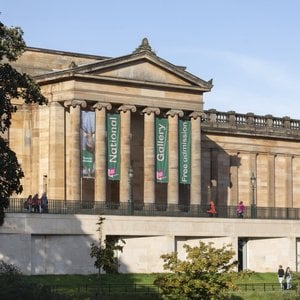 스코틀랜드 국립 미술관 |
에든버러 | 1 | Great Expectations |
 The Hunterian Museum and Art Gallery |
글래스고 | 1 | The Turnip Field |
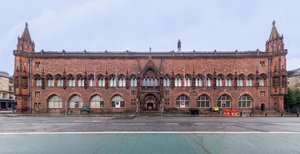 스코틀랜드 국립 초상화 갤러리 |
Edinburgh | 1 | Aitken Dott, 1815 - about 1880. Art dealer |


Great Expectations (1879), 스코틀랜드 국립 미술관, 에든버러. 다음은 The Turnip Field (1880)와(과) Aitken Dott, 1815 - about 1880. Art dealer (1891)입니다.
32세: Great Expectations은(는) 1879년 작품이며, Robert Mcgregor은(는) 1847년에 태어났습니다.
Great Expectations, The Turnip Field, Aitken Dott, 1815 - about 1880. Art dealer, Les Moulières, Villerville, Collecting cockles, The and of the day, The water-carrier, Scottish fisherfolk, Breakfast time 및 In the orchard. 위 순위는 각 작품의 제작 연도와 소장 박물관을 나타냅니다.
Robert Mcgregor의 작품 16점을 1879년부터 1902년 사이의 연대로 분류하여 목록에 담았습니다.
대부분의 작품은 스코틀랜드 국립 미술관 (에든버러), The Hunterian Museum and Art Gallery (글래스고) 및 스코틀랜드 국립 초상화 갤러리 (Edinburgh)에 소장되어 있습니다. 위 표에 각 박물관 목록이 나열되어 있습니다.
이 페이지의 가장 오래된 작품은 Great Expectations (1879), 가장 최근 작품은 Les Moulières, Villerville (1902)입니다.
네, 이 페이지에 있는 모든 작품은 해당 작품의 상세 페이지에서 원하시는 크기로 박물관 품질의 수작업 유화 복제본 또는 파인 아트 프린트로 주문하실 수 있습니다.
Born in Bradford, England, in 1847 to Scottish parents, Robert McGregor’s artistic journey was a testament to the enduring appeal of depicting the realities of rural British life. While his early years were spent outside Scotland, a deep connection to his heritage and a keen observation of the landscape ultimately shaped his distinctive style and subject matter. McGregor's career unfolded primarily in Edinburgh, where he established himself as a respected artist known for his realistic portrayals of Scottish fisherfolk, farmers, and the ever-changing rhythms of the countryside.
McGregor’s artistic development was significantly influenced by the prevailing Realist movement, which sought to capture everyday life with honesty and detail. He drew inspiration from artists like Jean-François Millet, whose depictions of rural laborers resonated deeply with McGregor's desire to portray the dignity and hardship of working people. The Dutch School of painting, particularly its emphasis on light and atmosphere, also played a crucial role in shaping his technique. His travels to France and the Netherlands provided invaluable opportunities for study and experimentation, allowing him to refine his skills and develop a unique visual language.
McGregor’s paintings are overwhelmingly characterized by their meticulous attention to detail and their ability to evoke a strong sense of place. He rarely idealized his subjects; instead, he presented them with unflinching honesty, capturing the weariness of labor, the beauty of the natural world, and the quiet dignity of ordinary lives. His compositions often feature expansive landscapes—rolling hills, windswept moors, and dramatic skies—against which the figures of his subjects are set. These scenes aren’t merely backdrops; they actively contribute to the narrative, reflecting the characters' connection to their environment.
His most celebrated works depict Scottish fisherfolk engaged in their daily routines – hauling nets, mending sails, and braving the elements. These paintings offer a poignant glimpse into a vanishing way of life, capturing the resilience and stoicism of these men as they faced the challenges of the sea. Equally compelling are his depictions of rural laborers—farmers tending their fields, shepherds guiding their flocks, and children playing in the meadows. McGregor’s ability to convey both the physical demands of work and the emotional lives of his subjects is a hallmark of his artistic achievement.
McGregor was primarily a painter of oil on canvas, employing a technique characterized by its solidity and depth. He utilized a limited palette—primarily earthy tones—to create a sense of realism and to emphasize the textures of the landscape and the clothing of his subjects. His brushwork is generally smooth and controlled, yet he skillfully used variations in tone and color to suggest light, shadow, and atmosphere. He was particularly adept at capturing the effects of weather – rain, mist, and sunlight – on the landscape, imbuing his paintings with a palpable sense of mood.
His compositions often follow a pyramidal structure, drawing the viewer’s eye towards the central figure or subject. This technique creates a sense of stability and balance while also emphasizing the importance of the individual within the larger context of the scene. McGregor's work demonstrates a deep understanding of perspective and spatial relationships, contributing to the overall realism and visual impact of his paintings.
Robert McGregor’s artistic career spanned several decades, during which he gained recognition as one of Scotland’s leading Realist painters. He exhibited regularly at the Royal Scottish Academy and other prestigious venues, earning critical acclaim for his honest depictions of rural life. His work was particularly appreciated for its ability to capture the spirit of a bygone era—a time when agriculture and fishing were central to the lives of many Scots.
Today, McGregor’s paintings are housed in public collections across Scotland and beyond, serving as valuable reminders of a rich cultural heritage. His legacy extends not only through his artistic achievements but also through his commitment to portraying the dignity and resilience of ordinary people. He remains an important figure in Scottish art history, celebrated for his ability to capture the beauty and complexity of rural life with remarkable skill and sensitivity.


