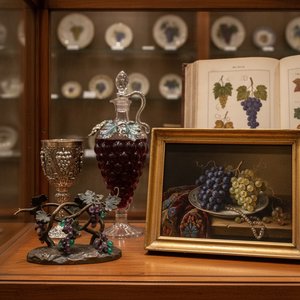
A Glimpse into the Baroque Stillness of R. Van Burgh
The name R. Van Burgh resonates quietly within the annals of 17th-century Dutch painting, a period brimming with masters yet still offering space for individual voices to emerge. While biographical details remain elusive – a common fate for artists operating outside the immediate circles of patronage and fame – his surviving work speaks volumes about his skill and place within the flourishing Baroque tradition. Van Burgh’s primary focus lay in still life compositions, specifically those depicting the bounty and transience of nature, often featuring fish and other marine life. His paintings aren't merely representations; they are meditations on mortality, luxury, and the delicate balance between beauty and decay.
The Dutch Golden Age Context
To understand Van Burgh’s art, one must first appreciate the context of the Dutch Golden Age (roughly 1600-1700). Following a period of religious upheaval and independence from Spain, the Netherlands experienced unprecedented economic prosperity. This wealth fueled a burgeoning middle class eager to adorn their homes with paintings reflecting their status and values. Still life emerged as a particularly popular genre, offering both decorative appeal and symbolic depth. Unlike earlier, more overtly moralizing depictions, Dutch still lifes often celebrated earthly pleasures while subtly reminding viewers of their fleeting nature – a concept known as *vanitas*. Van Burgh’s work fits squarely within this tradition, showcasing meticulously rendered objects that invite close inspection but also prompt contemplation on the impermanence of all things. The dramatic use of light and shadow, characteristic of Baroque painting, further enhances this effect.
Technical Mastery and Artistic Style
The single most well-known work attributed to R. Van Burgh is “Still Life with Fish” (circa 1690). This painting exemplifies his technical prowess. The fish themselves are rendered with astonishing realism – scales glinting, eyes reflecting light, textures appearing almost palpable. He demonstrates a remarkable ability to capture the subtle nuances of decay, from the dulling sheen on the skin to the slight slackness in the muscles. Beyond the central subject, Van Burgh populates his compositions with carefully chosen accessories: pewter plates, gleaming knives, and draped fabrics that add depth and richness. His palette is typically subdued, favoring earth tones punctuated by flashes of silver and gold. The arrangement isn’t haphazard; each element contributes to a harmonious whole, guiding the viewer's eye and reinforcing the painting’s underlying themes.
Influences and Possible Connections
Pinpointing Van Burgh’s direct influences is challenging due to the scarcity of documented information about his life. However, stylistic similarities suggest an awareness of leading still life painters of the period, such as Willem Kalf and Pieter Claesz. Like these artists, Van Burgh demonstrates a keen eye for detail and a mastery of light and shadow. It’s also possible he was influenced by Flemish Baroque masters like Frans Snyders, known for their lavish depictions of food and game. The RKD (Netherlands Institute for Art History) notes the artist's name as Rochus Hendricksz. van der Burgh, potentially linking him to a broader artistic family or circle, though further research is needed to confirm these connections.
Legacy and Historical Significance
While not a household name, R. Van Burgh’s work offers valuable insight into the Dutch Golden Age aesthetic. His paintings are testaments to the skill of lesser-known artists who contributed to the period's rich artistic landscape. “Still Life with Fish” serves as a compelling example of Baroque realism and *vanitas* symbolism, reminding us of the beauty inherent in both life and decay. As appreciation for Dutch still life continues to grow, Van Burgh’s contributions are increasingly recognized, offering a poignant glimpse into a world where even the most fleeting moments could be captured with enduring artistry.
Q&A
R. Van Burgh의 작품을 분위기별로 찾아볼 수 있나요?
R. Van Burgh의 무드 룸에서는 작가의 작품들을 분위기별로 만나보실 수 있습니다.
특정 매체로 분류된 R. Van Burgh의 모든 작품을 어떻게 찾을 수 있나요?
특정 매체로 제작된 R. Van Burgh의 모든 작품을 확인하시려면, 작가의 모든 매체별 페이지를 이용해 주세요.
R. Van Burgh 작가의 국적은 어디인가요?
R. Van Burgh은(는) Netherlands 출신입니다.
R. Van Burgh의 작품은 얼마나 인기가 있나요?
이 사이트에서 R. Van Burgh의 작품에 관한 통계를 확인할 수 있는 방문 통계 페이지를 만나보세요.