Joséphine Bowes: Patron of Impressionism and Pioneer of a Victorian Museum
Joséphine Bowes (1825-1874) was more than just an actress and socialite; she was a pivotal figure in 19th-century art, a passionate collector, and the driving force behind the creation of The Bowes Museum. Her life story is one of intellectual curiosity, artistic appreciation, and a profound commitment to championing the burgeoning Impressionist movement – a legacy that continues to resonate today through her remarkable collection and the museum she co-founded.
Born into a family with significant landed interests in County Durham, England, Joséphine’s early life was shaped by a privileged upbringing. However, it wasn't simply wealth that defined her; she possessed an insatiable thirst for knowledge and a keen eye for beauty. Her marriage to John Bowes, a wealthy coal magnate and art collector, marked the beginning of a shared passion that would profoundly impact both their lives and the cultural landscape of Britain. John’s existing collection provided a foundation, but it was Joséphine who truly nurtured and expanded upon it, transforming it into a world-class assemblage.
Joséphine's salon in Paris became legendary – a vibrant hub for artists, writers, and intellectuals of the era. She actively sought out and fostered relationships with leading Impressionist painters like Monet, Renoir, Pissarro, and Sisley. Her home was a sanctuary where these groundbreaking artists could exhibit their work, receive critical acclaim, and discuss their revolutionary ideas. Crucially, she didn’t just *collect* their paintings; she actively promoted them, recognizing the radical shift in artistic style and advocating for its acceptance within the established art world. This patronage played a vital role in bringing Impressionism to a wider audience.
The Creation of The Bowes Museum
The culmination of Joséphine’s lifelong passion was undoubtedly the establishment of The Bowes Museum in Barnard Castle, County Durham, in 1892. Alongside her husband, John, she envisioned a space dedicated to showcasing their extraordinary collection and making art accessible to the public. The museum's design, conceived by architects Jules Pellechet and John Edward Watson, was deliberately opulent – a grand statement reflecting the wealth and artistic sensibilities of its founders. It wasn’t merely a repository for artworks; it was intended as an immersive experience, designed to delight and inspire visitors.
The museum's initial holdings were remarkably diverse, encompassing European paintings by masters like El Greco, Goya, and Canaletto, alongside decorative arts – exquisite porcelain, tapestries, clocks, and costumes. However, the Bowes’ commitment to Impressionism remained central to its identity. The collection quickly became renowned for its representation of this revolutionary movement, attracting visitors from across Europe and beyond. The museum's success was a testament to Joséphine’s foresight and her unwavering belief in the power of art to enrich lives.
A Landscape Painter’s Vision
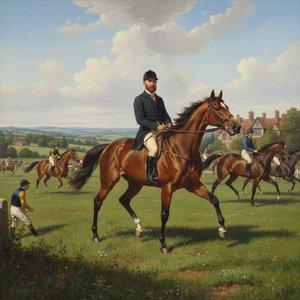
While Joséphine’s salon and patronage are perhaps her most celebrated achievements, her own artistic endeavors deserve recognition. She was a skilled landscape painter herself, producing a series of evocative sketches and paintings that capture the beauty of the Northumbrian countryside – particularly the dramatic landscapes surrounding Barnard Castle. These works reveal a keen eye for detail, an appreciation for light and color, and a sensitivity to the natural world.
Works like “Sketch, Sunset” and “River View, Misty Weather,” showcased in WahooArt’s collection, exemplify her Impressionistic style. The loose brushwork, vibrant hues, and atmospheric effects demonstrate her ability to capture the fleeting beauty of a moment – a hallmark of the movement she so passionately supported. These paintings are not merely reproductions; they offer a glimpse into Joséphine's artistic vision and her deep connection to the landscapes that inspired her.
Legacy and Historical Significance
Joséphine Bowes’ legacy extends far beyond the walls of The Bowes Museum. She was a pioneering figure in the art world, a champion of Impressionism, and a visionary patron who played a crucial role in shaping the cultural landscape of Britain. Her commitment to accessibility ensured that her collection would be enjoyed by generations to come.
The Bowes Museum itself stands as a testament to her enduring influence – a remarkable Victorian treasure housed within a stunning castle setting. It continues to evolve and adapt, showcasing both its original collections and contemporary art exhibitions. Joséphine Bowes’ story is one of artistic passion, social engagement, and the transformative power of collecting; a legacy that secures her place as a significant figure in 19th-century art history.
질의응답
Joséphine Bowes의 경력은 어떻게 시기별로 구분되어 있나요?
Joséphine Bowes의 작품 세계를 시간순으로 정리한 기록은 아티스트 연대기 페이지에서 확인하실 수 있으며, 이곳에서는 각 시기별로 분류된 챕터를 따라 작품들을 제작 순서대로 만나보실 수 있습니다.
특정 팔레트의 Joséphine Bowes 작품은 어떻게 찾을 수 있나요?
Joséphine Bowes의 작품은 작가의 컬러 팔레트별 페이지에서 컬러 팔레트별로 둘러보실 수 있습니다.
Joséphine Bowes은(는) 어느 시대에 활동했나요?
Joséphine Bowes은(는) 19th Century 시대에 활동했습니다. 이 시기는 역사적 맥락에서 작가의 활동 위치를 보여줍니다.