The Legacy of the House of Bentinck
To speak of the name Bentinck is to evoke a tapestry woven from the threads of European nobility, spanning the grand courts of the Netherlands, Germany, and Great Britain. While history often remembers the family through the political maneuvers and diplomatic triumphs of its members, there remains an indelible connection between their lineage and the visual splendor of the eras they inhabited. The family, rooted in the Uradel nobility of the east of the Netherlands, carries a heritage that is as much about presence and prestige as it is about the documented deeds of its many illustrious figures.
The historical narrative of the Bentinck name reached a pivotal crescendo during the late seventeenth century. It was during this period of profound political transformation—the era of the Glorious Revolution—that the family’s influence bridged the gap between Dutch and British interests. The movement of influential figures from the Low Countries to the heart of London brought with them not only new political structures but also a refined aesthetic sensibility that would define the visual culture of the British aristocracy for generations.
A Lineage of Influence and Artistry
The family’s prominence is perhaps most vividly captured through the lives of those who navigated the highest echelists of power. One cannot contemplate this history without reflecting on the profound impact of individuals like Hans Willem Bentinck, 1st Earl of Portland. A figure of immense importance to William of Orange, his life was a testament to the intimate connections between personal devotion and political destiny. His role as a confidant and diplomat helped shape the very foundations of the modern British state, leaving behind a legacy that is reflected in the grand architecture and portraiture of the age.
As the family branches expanded, so too did their cultural footprint. The subsequent generations, including the Dukes of Portland, became synonymous with the accumulation of land, wealth, and, crucially, art. This period saw the rise of great estates such as Welbeck Abbey, which served not merely as residences but as repositories for the finest collections of the era. Through marriage and political service, the Bentinck line became intertwined with the British royal family, creating a genealogical web that connected the ancient nobility of Guelders to the very heart of the United Kingdom.
The Enduring Impression of Nobility
The historical significance of the Bentinck name lies in its ability to endure through centuries of shifting borders and changing regimes. Their story is one of continuity, where the prestige of the past informs the identity of the present. From the diplomatic corridors of the seventeenth century to the notable art collectors of the twentieth century, such as Lady Anne Cavendish-Bentinck, the family has remained a symbol of the enduring power of heritage.
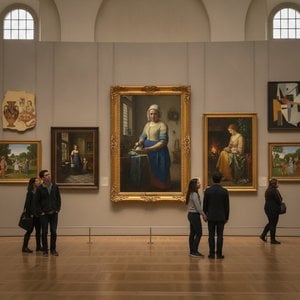
In contemplating the history of this noble house, we find more than just dates and titles; we find a narrative of human connection, political brilliance, and an unwavering commitment to the grandeur of their station. Theirs is a history that continues to resonate through the halls of great manor houses and within the frames of the portraits that capture their likeness, reminding us of a time when lineage and legacy were etched into the very fabric of European society.
Q&A
키워드로 Hans Bentinck의 작품을 찾아볼 수 있나요?
Hans Bentinck의 작품은 아티스트의 키워드별 탐색 페이지에서 키워드별로 찾아보실 수 있습니다. 각 키워드를 통해 관련 작품들을 모아 감상하실 수 있습니다.
Hans Bentinck의 작품을 사조별로 둘러볼 수 있나요?
Hans Bentinck 작가의 작품을 예술 사조별로 모아둔 모든 미술 사조 페이지에서 해당 작가가 활동했던 사조를 확인하실 수 있습니다.
Hans Bentinck 작가 작품의 컬러 프로필은 어디에서 확인할 수 있나요?
Hans Bentinck의 팔레트 지놈에서는 작가의 작품 세계를 구성하는 컬러 프로필을 확인하실 수 있습니다.
Hans Bentinck의 활동 시기는 어떻게 구분되어 있나요?
Hans Bentinck의 연대기는 작가의 활동 시기별로 분류된 작품들을 연대순으로 보여주는 스크롤 방식의 타임라인입니다.