The Eternal Echo of Coptic Artistry
To step into the world of Coptic art is to embark on a journey through the very soul of Egypt, traversing millennia of spiritual devotion and cultural resilience. This artistic tradition, deeply intertwined with the identity of the Coptic Orthodox Church, represents a profound continuity of Egyptian heritage. It is an aesthetic language born from the fusion of ancient Pharaonic motifs, Hellenistic grace, and the transformative power of Christian iconography. From the silent, sun-drenched stones of the Saint Anthony Monastery to the intricate textures of illuminated manuscripts, Coptic art serves as a living bridge between the ancient world and the modern era.
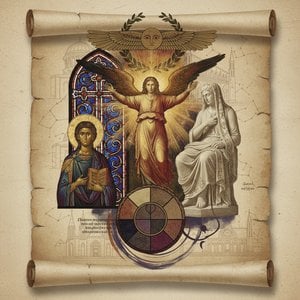
The essence of this movement lies in its ability to transform the material into the divine. Through the medium of stone reliefs, delicate wood carvings, and vibrant wall paintings, artists have long sought to capture the eternal. The visual vocabulary is rich with symbolism: the Coptic cross, a central emblem of faith, often intertwines with patterns reminiscent of much older Egyptian symbols, creating a tapestry of meaning that speaks to both the earthly and the celestial. This art form does not merely decorate; it instructs, protects, and commemorates the profound spiritual experiences of a community that has flourished in the Nile Valley for centuries.
A Legacy of Devotion and Craft
The development of Coptic artistic expression is inseparable from the monastic traditions of Egypt. The great desert monasteries, such as the Saint Sergius Monastery, served as both sanctuaries of faith and crucibles of creativity. Within these sacred walls, the preservation of knowledge and the refinement of craft became a form of worship. The techniques employed—ranging from the meticulous application of pigment in frescoes to the rhythmic carving of liturgical objects—reflect a deep-seated reverence for tradition and a commitment to excellence.
As the centuries progressed, the influence of Byzantine aesthetics began to weave into the local fabric, introducing new complexities in drapery, facial expression, and spatial arrangement. Yet, despite these external influences, the core of Coptic art remained resolutely Egyptian. There is an unmistakable groundedness in its figures, a certain heavy-lidded, soulful gaze that recalls the monumental dignity of ancient statues. This unique synthesis created a style that was at once cosmopolitan and deeply rooted in the soil of Egypt, making it one of the most distinctive artistic legacies in the Christian East.
The Enduring Spirit of the Coptic Tradition
Today, the significance of Coptic art extends far beyond its religious origins. It stands as a monumental testament to the endurance of Egyptian culture through periods of immense political and social change. The artistry found in the Coptic script and the liturgical decorations continues to inspire contemporary scholars and artists alike, offering a window into a world where every line and color carries the weight of history. To study these works is to witness the survival of an identity that refuses to be eclipsed by time.
The enduring impact of this tradition can be seen in several key areas:
- Iconography: The creation of sacred images that serve as windows to the divine, maintaining a stylistic lineage that connects the early centuries of Christianity to the present day.
- Material Heritage: The mastery of diverse media, including textiles, ceramics, and woodwork, which showcases the technical ingenuity of Egyptian craftsmen.
- Cultural Continuity: The seamless integration of ancient Egyptian motifs into Christian symbolism, preserving a sense of national continuity through the ages.
Ultimately, Coptic art is more than a collection of artifacts; it is an emotional and spiritual landscape. It invites the viewer to contemplate the intersection of the human and the holy, offering a glimpse into a tradition that has found beauty in the desert sands and strength in the enduring light of faith.
Q&A
특정 색상 팔레트의 Coptic 작품은 어디에서 찾아볼 수 있나요?
Coptic의 작품은 작가의 컬러 팔레트별로 보기 페이지에서 컬러 팔레트별로 만나보실 수 있습니다.