

cows and shepherdess (1861)은(는) Anton Braith의 가장 유명한 작품입니다. Sheep (1868)와 Calves (1885)는 세계적으로 가장 잘 알려진 다음 두 작품입니다. 우리 카탈로그에 수록된 Anton Braith의 작품 12점 중, 컬렉터와 미술관 관람객들이 가장 많이 찾는 11점을 선정하여 제작 연도, 소장 미술관 및 작품에 담긴 이야기와 함께 소개합니다.
각 작품의 검색, 방문 및 주문 수를 결합한 인기 점수를 기준으로 순위를 매깁니다. 11월 2026 업데이트됨. 이 페이지의 모든 명작은 원하시는 크기로 박물관 품질의 수작업 유화 복제화 또는 파인 아트 프린트로 주문하실 수 있습니다.


이 페이지에 있는 작품을 가장 많이 소장하고 있는 2개의 미술관
| 소장 미술관 | 도시 | Anton Braith의 작품 | 이 목록의 작품들 |
|---|---|---|---|
 바이에른 주립 회화 컬렉션 |
뮌헨 | 2 | Calves, Favorites of the Farmer's Wife |
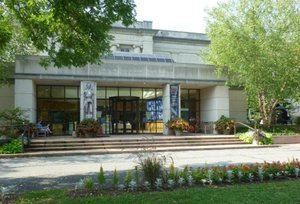 Reading Public Museum |
레딩 | 1 | Sheep |


cows and shepherdess (1861). 다음은 Sheep (1868)와(과) Calves (1885)입니다.
25세: cows and shepherdess은(는) 1861년 작품이며, Anton Braith은(는) 1836년에 태어났습니다.
cows and shepherdess, Sheep, Calves, Flock of Sheep with Shepherdess, Favorites of the Farmer's Wife, The Red Umbrella, Procession passing cattle in meadow, Herd of cows, Landscape with grazing calves 및 Forest. 위 순위는 각 작품의 제작 연도와 소장 박물관을 나타냅니다.
Anton Braith의 작품 12점을 1861년부터 1905년 사이의 연대로 분류하여 목록에 담았습니다.
대부분의 작품은 바이에른 주립 회화 컬렉션 (뮌헨) 및 Reading Public Museum (레딩)에 소장되어 있습니다. 위 표에 각 박물관 목록이 나열되어 있습니다.
1860s 기간 동안: 이 페이지의 총 11점의 작품 중 3점이 해당 시기의 작품이며, 그중 cows and shepherdess점이 포함되어 있습니다.
이 페이지의 가장 오래된 작품은 cows and shepherdess (1861), 가장 최근 작품은 The Red Umbrella (1905)입니다.
Calves 및 Favorites of the Farmer's Wife은(는) 바이에른 주립 회화 컬렉션, 뮌헨이(가) 소장한 이 페이지의 작품 2점 중 일부입니다.
네, 이 페이지에 있는 모든 작품은 해당 작품의 상세 페이지에서 원하시는 크기로 박물관 품질의 수작업 유화 복제본 또는 파인 아트 프린트로 주문하실 수 있습니다.
Anton Braith (1836 – 1905) stands as a singular figure in German landscape painting, particularly celebrated for his monumental depictions of livestock—a genre he pioneered and elevated to unprecedented artistic stature. Born into humble circumstances in Biberach an der Riß, the son of a day laborer who transitioned to farm management, Braith’s early life instilled within him an intimate connection with the rural world. As a child, he helped herd cattle, an experience that would profoundly inform his artistic vision and serve as the emotional bedrock for his oeuvre. His work is characterized by a palpable yearning for simpler times and a deep reverence for the pastoral landscape, capturing a sense of nostalgia that resonated deeply within a Germany undergoing rapid industrialization.
His formal training commenced at the Royal Art School in Stuttgart under the guidance of Bernhard von Neost and Heinrich von Rustige. It was here that he honed the foundational skills that would allow him to blend realism with expressive brushwork. During this formative period, the influence of Friedrich Reinhold Wraake, a prominent German Romantic painter, can be discerned in Braith's early works, reflecting the pervasive aesthetic currents of his era. In 1851, his talent was recognized through a scholarship, propelling him toward a professional path alongside contemporaries such as Albert Kappis and Christian Mali. These artists would become lifelong companions, forming a tight-knit circle that moved to Munich in 1860, where they became central figures in the vibrant local art colonies.
Braith’s contribution to the Munich School was nothing short of revolutionary. Following the death of Friedrich Voltz, Braith was widely considered the greatest painter of animals in Germany. While many of his peers focused on traditional landscapes, Braith sought to portray livestock—cows, calves, and poultry—in large-format, studio-style compositions. This approach transformed animal portraiture from mere decorative subject matter into a profound exploration of presence and dignity. His ability to capture the weight, texture, and quiet majesty of cattle allowed him to create works that felt both monumental and deeply intimate.
The evolution of his style can be viewed through several distinct phases:
His travels also played a significant role in enriching his palette and perspective. In 1867, alongside Kappis and Mali, he traveled to Paris, exposing him to the shifting tides of European art. Later, trips to Italy in the 1880s provided new light and classical influences that breathed fresh life into his compositions. Despite the rise of the Munich Secession in 1892, Braith remained a steadfast loyalist to the Academy, where he eventually served as a professor, passing his mastery down to the next generation of German painters.
The historical significance of Anton Braith lies not only in his canvases but in his enduring commitment to his roots. Having never married, Braith left his estate to his home city of Biberach. This generous bequest allowed for the creation of a museum that preserves the memory of both himself and his friend Christian Mali. Today, the Braith-Mali Museum stands as a testament to their shared legacy, housing their beautifully preserved artist studios—the only completely intact 19th-century studios of their kind still in existence.
Beyond the museum, Braith's impact is felt in the way he bridged the gap between the humble reality of rural life and the high art of the Academy. His paintings serve as a window into a vanishing world, offering a sanctuary of peace and stability through his monumental depictions of livestock. Through his brush, the simple act of grazing in a meadow becomes an epic narrative of nature's enduring grace, ensuring his place in the pantheon of great German masters.
