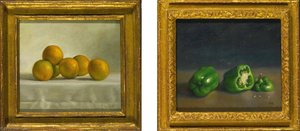
A Quiet Vision: The Life and Art of Alvin Ross
Alvin Ross, a name often linked to the more recognizable persona of Ross S. Bagdasarian, remains a fascinating figure in 20th-century American art, particularly within the realm of still life painting. Born in 1920 and passing away in 1975, his artistic journey unfolded with a subtle grace that belies the vibrant entertainment world he also inhabited. While widely celebrated as the creator of Alvin and the Chipmunks, Ross’s dedication to painting reveals a deeply contemplative artist drawn to the beauty of everyday objects and the delicate interplay of light and shadow. His work offers a poignant counterpoint to his popular music career, showcasing a refined sensibility and a commitment to traditional artistic techniques. He wasn't merely a performer who painted; he was an artist who found expression through both sound and visual form.Early Influences and Artistic Development
Ross’s early life provided the foundation for his later artistic pursuits, though details remain somewhat elusive. It is known that he developed a keen eye for detail from a young age, fostered by an appreciation for the natural world and the domestic interiors of his upbringing. While formal art training isn't extensively documented, it’s clear his style was deeply rooted in the traditions of Victorian still life painting and early 20th-century realism. Artists like William Harnett and Raphaelle Peale, masters of trompe-l'oeil and meticulous representation, likely served as significant influences. His paintings aren’t about grand narratives or dramatic compositions; they are intimate studies of form, texture, and the quiet poetry of commonplace things. He eschewed abstract expressionism, which was gaining prominence during his active years, instead choosing to refine a classic approach that emphasized skill and observation. This deliberate choice speaks to a desire for timelessness and enduring beauty in his work.The Still Life as Personal Expression
Ross’s artistic output is primarily characterized by still life paintings – arrangements of fruit, shrimp, flowers, and other domestic items rendered with remarkable precision. These aren't simply depictions of objects; they are carefully constructed compositions that explore themes of abundance, transience, and the beauty found in the mundane. The recurring presence of shrimp in his work is particularly noteworthy. It’s a motif that adds a unique element to his oeuvre, perhaps reflecting personal associations or a fascination with its delicate form and texture. His use of oil paints allows for rich color palettes and subtle gradations of light, creating a sense of depth and realism that draws the viewer into the scene. He masterfully captures the sheen of polished wood, the velvety surface of fruit, and the translucence of petals, demonstrating a technical proficiency honed through dedicated practice.Legacy and Historical Significance
While Alvin Ross may not be a household name in art historical circles, his work represents an important continuation of the still life tradition in American painting. He stands as a testament to the enduring appeal of realism and the power of observation.- His paintings offer a glimpse into a quieter side of the 20th century, away from the avant-garde movements that dominated the art world.
- They provide a valuable counterpoint to his more well-known musical achievements, revealing a multifaceted artist with diverse talents and passions.
- Ross’s commitment to traditional techniques and subject matter resonates with contemporary audiences seeking beauty and tranquility in art.
Q&A
Alvin Ross은(는) 어느 시대의 작품을 남겼나요?
Alvin Ross은(는) Modern 시대에 활동했습니다. 이 시기는 역사적 맥락 속에서 작가의 예술적 위치를 보여줍니다.
Alvin Ross의 작품 중 몇 점을 둘러보실 수 있나요?
전체 작품 보기 페이지에서 Alvin Ross의 작품 작품 13점점을 만나보실 수 있습니다.
주제별로 Alvin Ross의 작품을 찾아볼 수 있나요?
Alvin Ross의 작품은 작가의 주제별 작품 모음 페이지에서 주제별로 찾아보실 수 있습니다.
키워드별로 분류된 Alvin Ross의 작품은 어디에서 볼 수 있나요?
Alvin Ross의 작품은 아티스트의 키워드별 탐색 페이지에서 키워드별로 찾아보실 수 있습니다. 각 키워드를 통해 관련 작품들을 모아 감상하실 수 있습니다.