

 2011
2011 65.0 x 105.0 cm
 Contemporary Art Platform
빠른 제작과 다양한 마감 옵션을 선택할 수 있는 박물관 수준의 지클레이 및 캔버스 프린트. ( 수작업 채색 복제본 주문하기 디지털 이미지 판매 채널로 전환)
작품의 원본 비율을 그대로 유지하는 프리셋 사이즈 중에서 선택해 보세요.

특정 프레임이나 공간에 맞춰 직접 치수를 입력하실 수 있습니다. 선택하신 사이즈가 원본 이미지의 비율과 일치하지 않을 경우, 작품을 크롭(자르기)하거나 이미지를 대칭 또는 단색 채우기로 확장하여 제작합니다. 제작 시작 전, 최종 확인을 위해 디지털 목업이 전송됩니다.
화면상의 미리보기는 실제 크롭이나 확장 상태를 반영하지 않으므로, 최종 구도는 오직 목업을 통해서만 정확하게 확인하실 수 있습니다.
맞춤 사이즈 제작도 가능하지만, 원본 비율을 유지하기 위해서는 사전 정의된 목록에서 치수를 선택하시는 것을 권장합니다.

Fired but Unexploded II
복제본 규격

Marina Abramović’s art isn't simply about creating beautiful images; it’s a visceral confrontation with the limits of human endurance, perception, and the very nature of being. Born in Belgrade, Yugoslavia – now Serbia – in 1946, her journey began not within the hallowed halls of an established artistic tradition, but amidst the complex political and social landscape of post-war Eastern Europe. Raised by parents who had fought as Partisans during World War II and later worked within the communist government, Abramović’s upbringing instilled in her a profound awareness of history, identity, and the often-contradictory forces shaping individual experience. This early environment would profoundly influence her artistic trajectory, leading her to explore themes of trauma, memory, and the body as a site of both vulnerability and resistance.
Her formal training at the Academy of Fine Arts in Belgrade and Zagreb provided a foundation in painting, but it was performance art that truly ignited her creative fire. Rejecting traditional notions of artistic creation, Abramović sought to dismantle the conventional boundaries between artist and audience, performer and subject. She began experimenting with her own body as the primary medium, pushing its physical and psychological limits in ways previously unseen. Early works like *Rhythm 10* (1973), where she meticulously stabbed the spaces between her fingers with a knife – drawing blood and enduring intense pain – established her reputation for radical experimentation and challenged viewers to confront uncomfortable truths about human capacity.
A pivotal moment in Abramović’s career arrived with her collaboration with Frank Uwe Laysiepen, known as Ulay. They began a deeply intertwined artistic partnership in 1975, exploring themes of gender, identity, and the dynamics of intimacy through their performances. Their work together became increasingly complex and emotionally charged, culminating in *Imponderabilia* (1977), a performance that remains iconic. In this piece, they stood naked and facing each other in the narrow entrance of a museum, forcing visitors to physically squeeze between them – an act that exposed the vulnerability of both performers and the audience’s own desires and inhibitions. This collaboration wasn't merely about creating spectacle; it was a deeply personal exploration of their relationship and its impact on their artistic practice.
Their travels across continents, particularly to China, led to *Nightsea Crossing* (1981-1987), a monumental undertaking that involved the couple meditating together for extended periods in various locations around the world. This performance, lasting over six years, represented a profound commitment to shared experience and a blurring of boundaries between self and other. The act of simply being present with each other, without words or interaction, became an artistic statement about the power of stillness and the potential for connection.
Abramović’s work evolved throughout the 1980s and beyond, solidifying her position as a pioneer of “endurance art.” She consistently sought to challenge both her own physical limits and the expectations of the audience. *The Artist Is Present* (2010), arguably her most famous performance, exemplified this approach. For seven hours each day at the MoMA in New York City, Abramović sat silently in a chair, offering viewers the opportunity to sit beside her and simply be present with her. The event was documented extensively through video, creating a powerful dialogue between artist and audience about the nature of attention, empathy, and the act of witnessing.
Her later works continued to explore themes of vulnerability, risk, and the relationship between body and mind. *Balkan Baroque* (1997), presented at the Venice Biennale, utilized video projections alongside live performances to confront her personal history and the legacy of war and displacement in the Balkans. Abramović’s willingness to expose herself – both physically and emotionally – has made her a controversial yet undeniably influential figure in contemporary art.
Marina Abramović's impact on the art world is undeniable. She fundamentally shifted the role of the artist, moving beyond the traditional creation of objects to embrace the body as a dynamic instrument of expression. Her work has inspired countless artists to explore new forms of performance, challenging conventional notions of beauty, comfort, and audience engagement. She’s not just an artist; she's a provocateur, a philosopher, and a relentless explorer of human potential – a testament to the enduring power of art to confront us with our own vulnerabilities and expand our understanding of what it means to be alive.
Her founding of the Marina Abramović Institute (MAI) in 2007 further solidified her legacy, establishing a non-profit organization dedicated to supporting and promoting performance art. The MAI serves as a vital resource for artists, researchers, and audiences alike, ensuring that Abramović’s pioneering work continues to inspire and challenge generations to come.
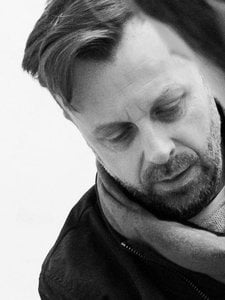
1974 - , Hungary

 실제 크기로 보기
 보내기
보내기 공유하기
공유하기
 상세 보기
상세 보기 가이드 보기

 이미지 다운로드
 유사 작품 더 보기
 X-레이
X-레이 슬라이드 쇼 보기
 통계 정보
통계 정보 상세 보기
상세 보기






































 유리 옵션은 110cm 미만 크기에서만 선택 가능합니다.


