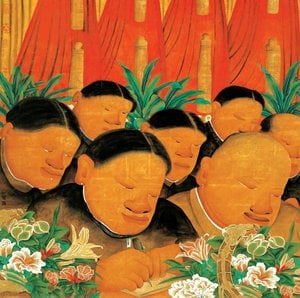
Acrylic On CanvasWallArtContemporary Realism
 Contemporary
 170.0 x 178.0 cm
 투데이 아트 뮤지엄
빠른 제작과 다양한 마감 옵션을 제공하는 박물관 품질의 지클레이 또는 캔버스 프린트. ( 손으로 그린 그림 구매 디지털 이미지로 전환)





























작품의 원본 비율을 유지하는 미리 설정된 크기 중에서 선택하세요.

특정 프레임이나 공간에 맞춰 직접 치수를 입력하실 수 있습니다. 선택하신 사이즈가 원본 이미지의 비율과 일치하지 않을 경우, 작품을 크롭(자르기)하거나 이미지를 대칭 또는 단색 채우기로 확장하여 제작합니다. 제작 시작 전, 최종 확인을 위해 디지털 목업이 전송됩니다.
화면상의 미리보기는 실제 크롭이나 확장 상태를 반영하지 않으므로, 최종 구도는 오직 목업을 통해서만 정확하게 확인하실 수 있습니다.
맞춤 사이즈 제작도 가능하지만, 원본 비율을 유지하기 위해서는 사전 정의된 목록에서 치수를 선택하시는 것을 권장합니다.

Sweet Life, No.21
복제본 크기
Zhu Wei's “Sweet Life, No.21” is more than a simple depiction of a man amidst nature; it’s a carefully constructed meditation on identity, observation, and the subtle tensions within contemporary China. Executed with Zhu Wei’s signature mastery of ink wash painting – a technique honed over decades and deeply rooted in centuries of Chinese artistic tradition – this piece invites viewers into a world where the natural and the human intertwine, prompting reflection on the complexities of modern life.
Zhu Wei's style is characterized by a remarkable balance between reverence for traditional Chinese ink wash painting (Shui-mo hua) and a distinctly contemporary sensibility. He employs the classic ‘qinbiye’ technique – a meticulous layering of thin washes of ink – to achieve incredible tonal variations and atmospheric effects. This painstaking process, inherited from generations of Chinese artists, is evident in the subtle gradations of color and the delicate rendering of form. The painting's vibrant palette, achieved through masterful control of black ink diluted with rice wash, elevates the work beyond a simple monochrome study, imbuing it with a luminous quality.
"Sweet Life, No.21" was created during a pivotal period in China’s history – the aftermath of the Tiananmen Square protests in 1989. While Zhu Wei avoids overt political statements, his work subtly reflects the anxieties and uncertainties of that era. The man's contemplative posture can be interpreted as a response to the social and political upheaval, suggesting a yearning for peace and stability amidst chaos. The inclusion of birds and fish – often symbols of freedom and prosperity in Chinese art – further reinforces this interpretation. The painting’s creation coincided with Zhu Wei’s transition from producing propaganda art for the military to exploring more personal themes, marking a significant shift in his artistic trajectory.
This artwork possesses a profound emotional resonance. The man's direct gaze compels us to confront our own perceptions of beauty, tranquility, and the human condition. The vibrant colors and intricate details invite prolonged viewing, encouraging contemplation and offering a moment of respite from the demands of daily life. “Sweet Life, No.21” is not just a beautiful painting; it’s a powerful statement about art's ability to capture both the beauty and the complexities of human experience. Its size – 170 x 178 cm – ensures that it will make a significant impact in any interior space, serving as a focal point for conversation and reflection.
1966년 중국 베이징에서 태어난 주웨이는 급변하는 현대 중국의 풍경 속에서 정치와 사회를 향한 섬세하고도 비판적인 시선을 던지는 저명한 현대 중국 미술가입니다. 그는 천안문 사태 이후 시대 예술을 이끄는 가장 상징적인 작가 중 한 명으로 손꼽히며, 전통 중국 회화에 대한 놀라운 충실함을 보여주는 동시에 그 역사적 맥락에 대해 정교한 논평을 제시합니다.
주웨이는 현대 중국 미술 내에서 결정적인 위치를 차지하고 있습니다. 천안문 사태 이후 등장한 예술가로서, 그의 작업은 전통과 현대성, 국가의 통제와 개인의 표현 사이의 복잡한 협상을 반영합니다. 고전 중국 회화라는 렌즈를 통해 전달되는 정치적, 사회적 구조에 대한 섬세한 비판은 중국의 급격한 변천사에 대해 독특한 관점을 제공합니다. 그는 전통적인 예술 형식이 현대적 과제를 다루기 위해 얼마나 강력하게 적응될 수 있는지를 증명하며, 세계 미술 담론에서 필수적인 목소리로서 자신의 유산을 공고히 하고 있습니다.

1966 - , 중국
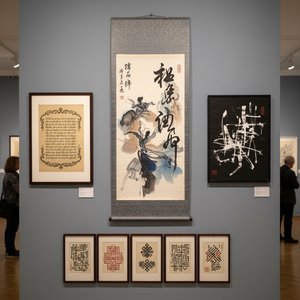
Explore the profound beauty of calligraphy art. From the fluid running script of Chinese masters to historical ink masterpieces, discover how the elegance of line transforms spaces with timeless grace and scholarly sophistication.
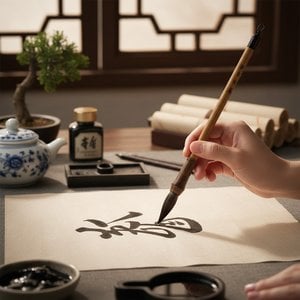
Embark on a profound journey through the soul of Chinese calligraphy. Explore the historical mastery of ink, brush, and script, from ancient Zhuanshu to elegant running script, and discover how this timeless art form reflects the enduring spirit of classical East Asian aesthetics.

Embark on a scholarly journey through the alchemy of lithography. This definitive guide offers collectors profound insights into the chemical mastery of stone and ink, the medium's historical legacy, and essential expertise for acquiring rare, museum-quality prints with absolute confidence.
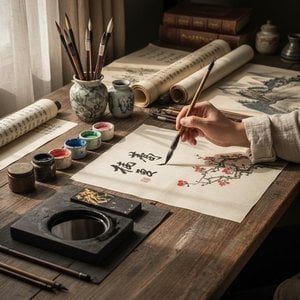
Embark on a sophisticated exploration of ink wash painting and Sumi-e. Uncover the profound historical lineages, Zen philosophies, and technical mastery behind this timeless medium in our authoritative guide for fine art enthusiasts.


 미리보기
미리보기
 공유하기
공유하기 공유하기
공유하기
 상세 정보
상세 정보 가이드 보기

 다운로드
다운로드
 유사 작품
유사 작품 X-레이
X-레이 슬라이드 쇼
 통계 정보
통계 정보 더 보기
더 보기









 유리 옵션은 110cm 미만 크기에서만 선택 가능합니다.