이 페이지에 표시된 작품은 저작권법의 보호를 받으며, 이에 따라 동일한 복제품을 제작하거나 판매하는 것은 법으로 금지되어 있습니다. 이러한 권리 보호는 다음과 같은 국제 협약에 따라 시행됩니다. 베른 협약 또한 다음에서 명시하는 법률을 포함한 국내법에 의해 보호됩니다. 미국 저작권법 제17조.
이 방식은 저작권 보호를 받는 예술 작품을 복제하거나 그대로 재현하는 것이 아니기에 저작권 규정을 완벽히 준수합니다. 대신, 이는 창의적인 재해석의 과정을 거칩니다. 즉, 원작에서 영감을 받되 원작과 동일하지 않은 새로운 회화 작품을 의미합니다.
빠른 제작과 다양한 마감 옵션을 제공하는 박물관 수준의 지클레이 및 캔버스 프린트. ( 수작업 채색 복제본 주문하기 디지털 이미지로 전환)





























작품의 원본 비율을 그대로 유지하는 프리셋 사이즈 중에서 선택해 보세요.

액자나 벽면 크기에 맞춰 필요한 가로와 세로 길이를 입력해 주세요. 프린트는 원본 이미지보다 크게 제작할 수 없으며 오직 자르는 것만 가능하므로, 비율이 다른 사이즈를 선택할 경우 이미지의 일부가 잘려 나갈 수 있습니다. 인쇄 작업에 들어가기 전, 최종 확인을 위해 디지털 목업을 보내드립니다. 이 페이지에 표시된 이미지는 실제 잘리는 영역을 나타내지 않으며, 오직 목업을 통해서만 정확한 확인이 가능합니다.
China China
복제본 크기
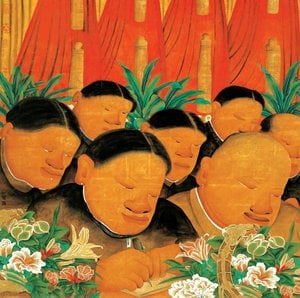
To stand before a work by Zhu Wei is to encounter not merely a painted likeness, but a carefully curated moment in the vast, churning narrative of contemporary China. This piece, capturing a man radiating an almost palpable warmth from beneath a striking red jacket, immediately draws the viewer into its orbit. The subject’s smile, directed outward as if acknowledging your very presence across the museum expanse, is both inviting and deeply guarded. It suggests a complexity—a public persona layered over private depths—that has become a hallmark of modern Chinese portraiture. Zhu Wei, whose career spans the seismic shifts of post-Tiananmen art, uses this seemingly straightforward figure to engage in a subtle, yet profound, dialogue with history and identity.
Technically, the painting showcases a remarkable dexterity. While the subject matter feels immediate and contemporary, the underlying execution hints at deep roots in Chinese artistic tradition. Zhu Wei’s background, steeped in both formal academy training and the sometimes rigid structures of state-sanctioned art, allows him to navigate these currents with an almost effortless grace. The rendering of the white collar against the vibrant red jacket is a study in contrasts—the crisp formality meeting the passionate hue. It is this tension between polished technique and underlying critical spirit that elevates the work beyond mere portraiture; it becomes a cultural artifact itself.
The choice of color, particularly that commanding red, cannot be overstated. In Chinese culture, red symbolizes joy, celebration, good fortune, and vitality. Yet, when paired with the subject's knowing expression, it takes on a more nuanced meaning—perhaps resilience, or even defiance cloaked in gaiety. The man himself, positioned so centrally within this large format (63 x 90 cm), becomes an emblem of the modern Chinese experience: outwardly vibrant and engaging, yet carrying the weight of untold stories beneath that seemingly effortless smile. It invites contemplation on what it means to present oneself to the world while navigating profound societal change.
For the collector or designer seeking a piece with genuine narrative weight, this reproduction offers an unparalleled opportunity. Owning such a work is not simply adorning a wall; it is curating a conversation. It speaks of history, of artistic endurance, and of the enduring human capacity for complex emotion. The energy emanating from the canvas—that bright, engaging smile—has the power to revitalize any space, injecting it with an intellectual spark and a touch of vibrant, sophisticated mystery that only truly great contemporary art can provide.
주웨이의 "China China"의 대비 수준은 Bold입니다.
주웨이은(는) "China China" 작품에 Painting 기법을 사용했습니다. 이 기법은 원작의 재료적 특성을 잘 보여줍니다.
"China China"은 작가의 탄생지를 통해 Contemporary Chinese Art 사조와 중국를 연결합니다.
1966년 중국 베이징에서 태어난 주웨이는 급변하는 현대 중국의 풍경 속에서 정치와 사회를 향한 섬세하고도 비판적인 시선을 던지는 저명한 현대 중국 미술가입니다. 그는 천안문 사태 이후 시대 예술을 이끄는 가장 상징적인 작가 중 한 명으로 손꼽히며, 전통 중국 회화에 대한 놀라운 충실함을 보여주는 동시에 그 역사적 맥락에 대해 정교한 논평을 제시합니다.
주웨이는 현대 중국 미술 내에서 결정적인 위치를 차지하고 있습니다. 천안문 사태 이후 등장한 예술가로서, 그의 작업은 전통과 현대성, 국가의 통제와 개인의 표현 사이의 복잡한 협상을 반영합니다. 고전 중국 회화라는 렌즈를 통해 전달되는 정치적, 사회적 구조에 대한 섬세한 비판은 중국의 급격한 변천사에 대해 독특한 관점을 제공합니다. 그는 전통적인 예술 형식이 현대적 과제를 다루기 위해 얼마나 강력하게 적응될 수 있는지를 증명하며, 세계 미술 담론에서 필수적인 목소리로서 자신의 유산을 공고히 하고 있습니다.

1966 - , 중국
Embark on a profound journey through the soul of Chinese calligraphy. Explore the historical mastery of ink, brush, and script, from ancient Zhuanshu to elegant running script, and discover how this timeless art form reflects the enduring spirit of classical East Asian aesthetics.

Elevate your design projects with WahooArt's premium canvas prints and hand-painted reproductions. From Giclée excellence to bespoke oil commissions, we provide professional decorators with museum-quality, affordable art solutions delivered worldwide with a 100% satisfaction guarantee.
 미리보기
미리보기
 공유하기
공유하기 공유하기
공유하기
 상세 정보
상세 정보 가이드 보기

 다운로드
다운로드
 유사 작품 더 보기
 X-레이
X-레이 슬라이드 쇼 보기
 질의응답
질의응답
 통계 정보
통계 정보


 더 보기
더 보기









 유리 옵션은 110cm 미만 크기에서만 선택 가능합니다.