미리보기 AR 미리보기 프린트 판매로 전환 디지털 이미지로 전환 공유하기
상세 정보 즐겨찾기에 추가 다운로드 유사 작품 X-레이 슬라이드 쇼 통계 정보

23042

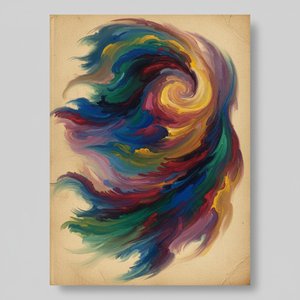
Experience the serene beauty of Zao Wou-Ki's '23042'. This captivating painting features a majestic horse amidst a tranquil blue landscape, blending Eastern and Western artistic traditions. Own a hand-painted reproduction today!

Explore the captivating abstract landscapes of Zao Wou-Ki (1920-2013), a Chinese-French painter bridging Eastern & Western art. Discover his lyrical abstraction, influenced by calligraphy and modern masters like Matisse & Klee.

수제 유화 복제품

원하는 크기와 액자로 주문 제작되는, 작가들이 직접 캔버스에 손으로 그린 유화 작품입니다. ( 프린트 판매로 전환 디지털 이미지로 전환)

P118B $10
P118H $10
P118W $10
P438Z $10
P508JH $12
P508YH $12
P805H $10
P805Z $10
P919BZ $10
P919G $10
P919XJ $10
P959ZH $10
P968JZ $12
W106C $8
W218G $10
W218JH $8
W218Y $10
W307PJ $10
W316G $10
W316PJ $8
W316Y $10
W398PJ $8
W4111J $10
W500HY $15
W500JH $15
W692G $12
W849H $8
W940BG $15
W953PJ $8

표준 규격
맞춤형
CM
INCH

작품의 원본 비율을 유지하는 미리 설정된 크기 중에서 선택하세요.

가로 너비
세로 길이

특정 프레임이나 공간에 맞도록 직접 크기를 입력할 수 있습니다. 선택하신 크기가 원본 이미지의 비율과 일치하지 않는 경우, 작품을 자르거나 추가적인 손으로 그린 요소를 사용하여 그림을 확장합니다. 제작 시작 전 승인을 위해 디지털 목업을 보내드립니다.
화면 미리 보기는 실제 자르기 또는 확장을 반영하지 않습니다. 최종 구성은 목업을 통해서만 정확하게 확인하실 수 있습니다.
맞춤 크기 제작도 가능하지만, 원본 비율을 유지하기 위해 사전 정의된 목록에서 크기를 선택하시는 것을 권장합니다.

변경 가능한 예시: 얼굴을 고객의 사진으로 교체, 반려동물 추가(예: 고양이를 강아지로 변경), 배경에 숨겨진 메시지 삽입, 배경 풍경 또는 요소 변경 등
주문 후 WahooArt.com 팀에서 상세 안내를 위해 고객님께 이메일을 보내드리며, 미리보기 시안을 제공해 드립니다.

전 세계 배송()은 표준 5주 대신 3~4주 내에 완료됩니다. (19 9월). 품질에는 어떠한 타협도 하지 않습니다.

why_choose_icon
전 세계 무료 특급 배송
why_choose_icon
프리미엄 린넨 캔버스
why_choose_icon
전체 배송 보험 보장
why_choose_icon
관세 환불 보장
why_choose_icon
실제 색상 일치 보장
why_choose_icon
100일 반품 정책 (결함 발생 시에만 적용)
why_choose_icon
100% 환불 보장
why_choose_icon
다량 구매 할인 혜택

총 합계 금액

$ 272

reproduction

23042

재현 기법

복제본 크기

-

최종 결제 금액

$ 272

작품 정보 요약

  • Subject or theme: Horse in a landscape
  • Medium: Oil on canvas
  • Influences:
    • Calligraphy
    • Matisse
    • Klee
  • Artistic style: Lyrical abstraction
  • Artist: Zao Wou-Ki

A Serene Encounter: Zao Wou-Ki's Evocative Horse Painting

The canvas breathes with an ethereal blue, a vast expanse that immediately draws the viewer into a world of quiet contemplation. At its heart resides a powerful image – a horse, rendered not in precise detail but as a vibrant presence within this atmospheric landscape. This untitled work (referred to here as "23042") exemplifies Zao Wou-Ki’s signature style: a lyrical abstraction that seamlessly blends Eastern and Western artistic traditions. The horse itself isn't depicted realistically; instead, it emerges from the blue depths with broad, gestural brushstrokes, suggesting movement and vitality without resorting to photographic accuracy. It stands upon what appears to be a rocky terrain—perhaps a beach or a cliff edge—its form echoing the contours of the surrounding environment. Above, clouds drift across the canvas, adding layers of depth and dimension, further enhancing the sense of spaciousness and tranquility. The overall impression is one of serene stillness, capturing a fleeting moment of beauty within nature's embrace.

Bridging East and West: Zao Wou-Ki’s Artistic Journey

Born in Beijing in 1920, Zao Wou-Ki experienced firsthand the tumultuous shifts of 20th-century China before relocating to Paris in 1948. This journey profoundly shaped his artistic vision. Initially trained in traditional Chinese painting techniques, including calligraphy—a discipline emphasizing fluidity and expressive brushwork—Zao absorbed the influences of Western masters like Matisse and Klee during his time in France. He didn't simply adopt these styles; he synthesized them, creating a unique visual language that transcended cultural boundaries. The artist’s biography reflects the broader artistic landscape of the 1920s, an era marked by experimentation and a rejection of established norms. Movements like Dadaism and Surrealism challenged conventional notions of representation, paving the way for abstract expressionism—a style Zao would masterfully incorporate into his own work. His ability to fuse Eastern calligraphic principles with Western abstraction is what sets him apart, resulting in paintings that are both deeply personal and universally resonant.

The Language of Gesture: Technique and Symbolism

Zao Wou-Ki’s technique is characterized by a remarkable freedom of gesture. He employed broad, sweeping brushstrokes, often applying paint directly from the tube, allowing colors to blend and bleed into one another organically. This approach creates a sense of dynamism and spontaneity, as if the painting were unfolding before our eyes. In "23042," the blue dominates—not as a static color but as an active force that permeates the entire composition. The horse, rendered in contrasting tones, emerges from this blue expanse, its form suggested rather than defined. While seemingly abstract, the image evokes powerful symbolism. Horses have long been associated with strength, freedom, and nobility across cultures. In Chinese art, they often represent power and good fortune. Here, within Zao Wou-Ki’s lyrical abstraction, the horse becomes a symbol of untamed spirit—a creature at peace within its natural environment. The clouds above could be interpreted as representing change or transition, adding another layer of complexity to the painting's meaning.

An Emotional Resonance: Contemplation and Tranquility

Beyond its technical brilliance and symbolic depth, "23042" possesses a profound emotional resonance. The painting invites viewers to slow down, to breathe deeply, and to connect with a sense of quiet contemplation. The vastness of the blue canvas creates a feeling of spaciousness—a visual echo of the boundless expanse of nature. The horse’s serene posture suggests a moment of stillness amidst the constant flux of life. Zao Wou-Ki's work is not about depicting reality as it appears; rather, it seeks to capture the essence of experience—the feelings and emotions that lie beneath the surface. This painting offers an escape from the noise and chaos of modern life, inviting us into a world of beauty, tranquility, and profound introspection. It’s a testament to Zao Wou-Ki's ability to translate complex emotions into a visual language that speaks directly to the soul.