

 AcrylicWallArtEarly Renaissance
 1453
1453 37.0 x 30.0 cm
 필라델피아 미술관
작가가 직접 캔버스에 손으로 그린 유화 작품으로, 원하는 크기와 액자로 맞춤 제작해 드립니다. ( 프린트 판매로 전환 디지털 이미지 판매 채널로 전환)





























작품의 원본 비율을 그대로 유지하는 프리셋 사이즈 중에서 선택해 보세요.

액자나 벽면 크기에 맞춰 필요한 가로와 세로 길이를 입력해 주세요. 본 작품은 수작업으로 제작되므로, 요청하신 비율에 따라 작가가 그림의 가장자리를 조금 더 넓게 그리거나 일부를 조정하여 작업할 수 있습니다. 작업 시작 전, 최종 확인을 위해 디지털 목업 이미지를 보내드립니다. 이 페이지에 표시된 이미지는 실제 결과물과 다를 수 있으며, 오직 목업 이미지만이 정확한 결과물을 보여줍니다.
The Annunciation
복제본 규격

빛과 그림자가 새로운 인문학적 깊이를 품고 춤추기 시작했던 피렌체 르네상스의 황금기, 자노비 스트로치(Zanobi Strozzi)라는 이름은 이 도시의 예술적 태피스트리를 구성하는 핵심적인 실로 등장했습니다. 1412년 명망 높은 스트로치 가문에서 태어난 자노비의 유년 시절은 피렌체의 격동적인 정치적 변화와 맞물려 있었습니다. 귀족적 혈통을 이어받았음에도 불구하고, 그가 불과 열다섯 살이던 해에 찾아온 부친의 갑작스러운 죽음은 그를 전혀 다른 운명의 길로 이끌었습니다. 개인적인 상실의 시기는 역설적으로 그를 바티스타 디 비아조 상구이니(Battista di Biло Sanguigni)의 도제 생활이라는 변화의 품으로 인도했습니다. 이 스승과의 만남은 훗날 그의 손길을 정교하게 다듬었으며, 필사본 채식(illumination)과 패널 회화라는 섬세한 예술을 마스터하는 데 필요한 기술적 정밀함을 심어주었습니다.
스트로치의 예술적 진화는 당대의 영적, 미학적 흐름과 깊게 맞물려 있었습니다. 무엇보다 그의 예술 세계에서 가장 중요한 연결 고리는 경외받는 거장 프라 안젤리코(Fra Angelico)와의 관계였습니다. 이 영향력 있는 예술적 서클의 제자로서 스트로치는 단순히 스승을 모방하는 데 그치지 않았습니다. 그는 스승으로부터 깊은 신앙심과 빛나는 색채에 대한 접근법을 흡수하여 자신만의 독창적인 양식으로 승화시데었습니다. 이러한 관계는 프라 안젤리코 특유의 천상적이고 신성한 빛이 스트로치의 세밀한 묘사와 만나는 아름다운 양식적 융합을 가능케 했습니다. 그의 작품은 필사본의 친밀하고 작은 미니어처 세계와 종교적 제단화가 지닌 웅장하고 감동적인 존재감 사이의 간극을 메우는 가교 역할을 했습니다.
스트로치가 지닌 재능의 폭은 다양한 매체를 동일한 우아함으로 다루는 능력에서 가장 극명하게 드러납니다. 그는 템페라 온 패널(tempera on panel)의 거장이었습니다. 이 기법은 그의 종교화에서 볼 수 있는 보석처럼 빛나는 선명한 색조를 구현하기 위해 엄청난 인내와 흔들림 없는 손길을 요구하는 작업이었습니다. 그의 레퍼토리에는 관람객에게 깊은 영적 성찰을 불러일으키도록 설계된 여러 중요한 제단화와 성모자(Virgin and Child)의 애틋한 묘사들이 포함되어 있습니다. 이러한 작품들 속에서 스트로치는 피렌체 초기 르네상스 양식을 활용하여 부드러운 전환과 복잡한 패턴을 통해 신성한 인물들에게 생명력을 불어넣으며 신앙의 서사를 엮어냈습니다.
대형 패널 작업을 넘어, 스트로치는 필사본 채식 분야에서의 공헌을 통해 전설적인 지위에 올랐습니다. 작은 공간을 장악하는 그의 능력은 숨 막힐 듯 복잡하고 아름다운 미니어처 세계를 창조해냈습니다. 그의 가장 주목할 만한 예술적 성취는 다음과 같습니다:
자노비 스트로치의 역사적 의의는 중세의 장식적 채식 전통과 인간의 감정 및 자연주의를 강조하기 시작한 신흥 르네상스 사이를 잇는 가교 역할을 했다는 점에 있습니다. 그의 작품 중 상당수는 피렌체의 화려한 저택 안에서 개인적인 경배를 위해 제작되었지만, 그의 영향력은 도시 전체의 작업실로 파동처럼 퍼져나갔습니다. 그는 지적으로 엄격하면서도 정서적으로 친숙한, 피렌체 특유의 아름다움을 전파하는 데 기여했습니다. 그의 손끝을 통해 성인들과 성모의 신성한 이야기는 콰트로첸토(Quattrocento) 정신의 본질을 포착하는 명료함과 생동감으로 재탄생했습니다.
비록 그는 1468년에 세상을 떠나 금박과 템페라로 새겨진 유산만을 남겼지만, 스트로치는 아주 작은 것 안에서 심오한 의미를 찾아내는 예술가의 능력을 상징하는 인물로 남아 있습니다. 귀족 가문의 고아에서 찬란한 거장으로 변모해간 그의 삶은 피렌체 그 자체의 변화를 거울처럼 비추고 있습니다. 즉, 과거의 구조화된 전통으로부터 빛나고 인간 중심적인 르네상스의 찬란함으로 나아가는 여정 말입니다.

1412 - 1468 , 이탈리아

Embark on a visual journey through Early Medieval art. Explore the profound beauty of illuminated manuscripts, sacred symbols, and golden light through an expert historical lens, celebrating the enduring legacy of medieval craftsmanship and divine artistry.
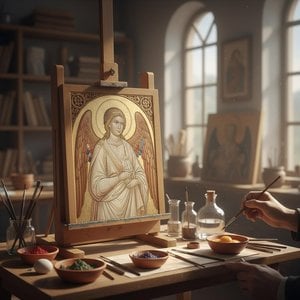
Unveil the sacred secrets of egg tempera on panel. Journey through the technical mastery and profound artistry of the Old Masters, from Giotto to Botticelli. An essential educational guide for Renaissance art enthusiasts seeking deep historical insight and expertise.

Embark on a scholarly journey through the spiritual grandeur of Late Medieval art. Discover the intricate symbolism, technical mastery, and profound religious narratives that define the Gothic era in this expert-led guide for art enthusiasts and collectors.

Embark on a scholarly journey through the sacred beauty of High Medieval art. Discover the profound symbolism, luminous iconography, and spiritual depth of Gothic masterpieces in this expert guide for classical art enthusiasts.

 실제 크기로 보기
 보내기
보내기 공유하기
공유하기
 상세 보기
상세 보기 가이드 보기

 이미지 다운로드
 유사 작품 더 보기
 X-레이
X-레이 슬라이드 쇼 보기
 통계 정보
통계 정보 상세 보기
상세 보기









 유리 옵션은 110cm 미만 크기에서만 선택 가능합니다.


