


빠른 제작과 다양한 마감 옵션을 제공하는 박물관 품질의 지클레이 또는 캔버스 프린트. ( 손으로 그린 그림 구매 이미지 구매)
작품의 원본 비율을 유지하는 미리 설정된 크기 중에서 선택하세요.

특정 프레임이나 공간에 맞춰 직접 치수를 입력하실 수 있습니다. 선택하신 사이즈가 원본 이미지의 비율과 일치하지 않을 경우, 작품을 크롭(자르기)하거나 이미지를 대칭 또는 단색 채우기로 확장하여 제작합니다. 제작 시작 전, 최종 확인을 위해 디지털 목업이 전송됩니다.
화면상의 미리보기는 실제 크롭이나 확장 상태를 반영하지 않으므로, 최종 구도는 오직 목업을 통해서만 정확하게 확인하실 수 있습니다.
맞춤 사이즈 제작도 가능하지만, 원본 비율을 유지하기 위해서는 사전 정의된 목록에서 치수를 선택하시는 것을 권장합니다.

Amphibole Object
복제본 크기

In the vibrant heart of Seoul, a new creative voice is emerging that seeks to bridge the profound depths of Korean heritage with the sleek sensibilities of modern expression. Yoon Yongbin, known to many by his stage name Lee Sae-on, is an artist whose multidisciplinary journey reflects a rare synthesis of performance and plastic arts. Born in 1995, Yongbin’s early life was steeped in the cultural atmosphere of South Korea, where the echoes of history are never far from the surface. His formative years were deeply influenced by the legacy of the Yoon Dongju Memorial Hall, an encounter that instilled in him a reverence for the melancholic and poetic spirit of Korea's national bard. This early exposure to lyrical tragedy and beauty laid the groundwork for an artistic identity defined by emotional depth and symbolic weight.
While many recognize his presence through the lens of contemporary media—having debuted in the 2018 drama Inspector 2 of the Devil and gaining widespread visibility through his participation in Produce 101 Season 2—Yongbin’s true sanctuary lies in the tactile world of sculpture and conceptual form. His transition from the spotlight of the entertainment industry to the quiet intensity of the studio marks a profound evolution, moving from the ephemeral nature of performance to the enduring permanence of stone and mineral.
At the core of Yongbin’s artistic practice is a meticulous exploration of texture, history, and the elemental properties of the earth. His work is most notably characterized by his “Amphibole Object” series, a collection that serves as a profound dialogue between the Joseon Dynasty and the contemporary era. By utilizing amphibole—a specific stone from the Jangsu region of Korea—Yongbin invokes a lineage of craftsmanship that once graced the tables of Korean royalty. These objects are not merely sculptural forms; they are vessels of cultural memory, designed to honor the ancient techniques used to preserve nutrients and enhance the essence of life through heat and mineral transfer.
His technique is a deliberate study in minimalism and symbolic representation. In his hands, the heavy, rugged nature of Korean stone is transformed into something contemplative and ethereal. The artist focuses on:
The significance of Yoon Yongbin’s work lies in its ability to act as a bridge. He does not merely replicate the past; he recontextualizes it for a modern audience that is often disconnected from ancestral traditions. Through his sculptural explorations, he invites viewers to contemplate the enduring beauty of natural materials and the cyclical nature of history. His art suggests that while the world moves toward rapid technological advancement, there remains an essential, grounding need to reconnect with the minerals and memories of our origins.
As his career continues to unfold, Yongbin stands as a testament to the versatility of the modern creator. Whether through the rhythmic movement of cultural performance or the silent, powerful presence of a stone vessel, his work remains anchored in a singular mission: to find the eternal within the contemporary and to ensure that the poetic soul of Korea continues to resonate in the modern age.

1995 - , South Korea

Embark on a scholarly journey through the alchemy of lithography. This definitive guide offers collectors profound insights into the chemical mastery of stone and ink, the medium's historical legacy, and essential expertise for acquiring rare, museum-quality prints with absolute confidence.
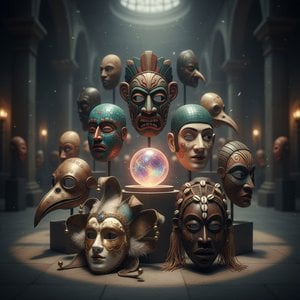
Embark on a profound journey through the world's most iconic mask artworks. Explore the spiritual depth, intricate craftsmanship, and rich cultural heritage of global traditions, from Chhau to Gomira, in this expert-led exploration of ancestral artistry and symbolic beauty.

Explore the profound legacy of marble sculpture, from Classical antiquity to Neoclassical mastery. A definitive guide for elite collectors and designers seeking to integrate the luminous, eternal beauty of stone into sophisticated, high-end architectural spaces.


 미리보기
미리보기
 공유하기
공유하기 공유하기
공유하기
 상세 정보
상세 정보

 다운로드
다운로드
 유사 작품
유사 작품 X-레이
X-레이 슬라이드 쇼

 더 보기
더 보기






































 유리 옵션은 110cm 미만 크기에서만 선택 가능합니다.


