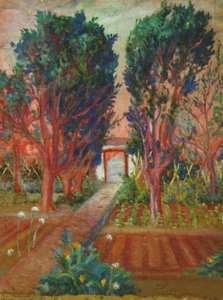
작가가 직접 캔버스에 손으로 그린 유화 작품으로, 원하는 크기와 액자로 맞춤 제작해 드립니다. ( 프린트 판매로 전환 디지털 이미지 판매 채널로 전환)
작품의 원본 비율을 그대로 유지하는 프리셋 사이즈 중에서 선택해 보세요.

특정 프레임이나 공간에 맞춰 원하는 크기를 직접 입력하실 수 있습니다. 선택하신 크기가 원본 이미지의 비율과 일치하지 않을 경우, 작품을 자르거나 추가적인 수작업 요소를 더해 그림을 확장하여 제작합니다. 제작 시작 전, 최종 확인을 위해 디지털 목업을 보내드립니다.
화면상의 미리 보기는 실제 크롭(자르기)이나 확장된 상태를 완벽히 반영하지 않을 수 있습니다. 최종 구도는 오직 목업을 통해서만 정확하게 확인하실 수 있습니다.
맞춤 크기 제작도 가능하지만, 원본의 비율을 그대로 유지하기 위해서는 미리 정의된 목록에서 크기를 선택하시는 것을 권장합니다.

Spring Here
복제본 규격

Yang Xianrang (1930-) stands as a significant figure in twentieth-century Chinese art, particularly celebrated for his evocative blockprints and poignant depictions of rural life—a genre that powerfully embodies the spirit of his generation. Born in Mouping, Shandong Province, he embarked on his artistic journey after graduating from the Central Art Academy in 1952, establishing himself as a respected voice within China’s cultural landscape. His early career was marked by roles at the People's Fine Arts Publishing House and as a researcher companion to the Ministry of Culture, experiences that undoubtedly instilled in him a deep appreciation for documenting and preserving the rich tapestry of China’s heritage.
Throughout his prolific career, Xianrang consistently championed themes of patriotism, expressed through emotionally charged brushstrokes that captured the essence of everyday life. His work is not merely aesthetically pleasing; it serves as a vital record of China's cultural traditions and societal realities during the mid-century period. He skillfully blended traditional techniques with modern sensibilities, resulting in prints and paintings imbued with both meticulous detail and profound emotional resonance. By focusing on the rhythms of the countryside and the dignity of ordinary people, he transformed the mundane into something monumental.
The depth of Xianrang’s contribution to the arts extends far beyond his personal studio practice. He was a dedicated educator who believed in the power of nurturing future generations of creators. Serving as the president and professor of the Folk Art Department at the Central Art Academy, he played a pivotal role in shaping the trajectory of Chinese visual culture. His commitment to the preservation of folk traditions was matched by his leadership within the broader artistic community.
His professional achievements reflect a lifetime of service to the arts, including notable roles such as:
Through these positions, he actively contributed to artistic discourse and worked tirelessly to further the appreciation of folk art traditions. His influence remains a cornerstone of modern Chinese printmaking and painting, as he bridged the gap between ancient craftsmanship and contemporary expression. Even today, his work continues to resonate, offering a window into a transformative era of history through the lens of a master storyteller.

1930 - , China

 실제 크기로 보기
 보내기
보내기 공유하기
공유하기
 상세 보기
상세 보기 가이드 보기

 이미지 다운로드
 유사 작품 더 보기
 X-레이
X-레이 슬라이드 쇼 보기
 통계 정보
통계 정보

 상세 보기
상세 보기






































 유리 옵션은 110cm 미만 크기에서만 선택 가능합니다.