Oil On CanvasWallArtAmerican Realism
 1872
1872 96.0 x 66.0 cm
 Amon Carter Museum of American Art
빠른 제작과 다양한 마감 옵션을 제공하는 박물관 품질의 지클레이 또는 캔버스 프린트. ( 손으로 그린 그림 구매 디지털 이미지로 전환)





























작품의 원본 비율을 유지하는 미리 설정된 크기 중에서 선택하세요.

특정 프레임이나 공간에 맞춰 직접 치수를 입력하실 수 있습니다. 선택하신 사이즈가 원본 이미지의 비율과 일치하지 않을 경우, 작품을 크롭(자르기)하거나 이미지를 대칭 또는 단색 채우기로 확장하여 제작합니다. 제작 시작 전, 최종 확인을 위해 디지털 목업이 전송됩니다.
화면상의 미리보기는 실제 크롭이나 확장 상태를 반영하지 않으므로, 최종 구도는 오직 목업을 통해서만 정확하게 확인하실 수 있습니다.
맞춤 사이즈 제작도 가능하지만, 원본 비율을 유지하기 위해서는 사전 정의된 목록에서 치수를 선택하시는 것을 권장합니다.

Crossing the Pasture
복제본 크기
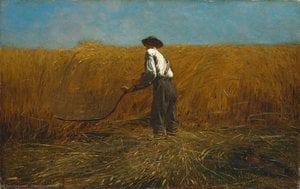
Winslow Homer's 1872 painting, *Crossing the Pasture*, isn’t merely a depiction of two boys enjoying a rural afternoon; it’s a carefully constructed meditation on brotherhood, hope, and the enduring spirit of America in the wake of profound national division. Homer, a master of capturing the essence of American life, eschewed the grand narratives favored by many of his contemporaries, instead choosing to focus on the quiet dignity and inherent beauty of everyday scenes. This painting, now residing at the Amon Carter Museum of American Art in Fort Worth, offers a poignant glimpse into a nation grappling with its past while cautiously looking toward a brighter future.
The scene unfolds with remarkable clarity – two young boys, rendered with an almost childlike innocence, navigate a grassy pasture. The older boy, positioned protectively between his younger sibling and a watchful bull, embodies the strength of fraternal loyalty. Homer’s masterful use of light and shadow creates a sense of warmth and tranquility, drawing the viewer into this intimate tableau. The composition is deceptively simple; yet within that simplicity lies a wealth of symbolic meaning. The boys' bare feet firmly planted in the earth connect them directly to nature, emphasizing their vulnerability and purity – qualities desperately needed after the tumultuous years following the Civil War.
The painting’s symbolism is deeply rooted in the historical context of its creation. Following the devastating conflict of the American Civil War, the nation was yearning for reconciliation and a renewed sense of unity. Homer, having witnessed firsthand the hardships endured by ordinary Americans during the war through his work as an illustrator, tapped into this collective desire. The older boy’s protective stance isn't just about safeguarding his sibling; it represents the broader need for healing and restoration within the nation. The bull itself can be interpreted as a symbol of potential danger, skillfully managed by the younger boy’s watchful presence – mirroring the challenges faced by a divided America needing to overcome its internal conflicts.
Furthermore, Homer's choice to depict children as emblems of hope is particularly significant. In the years following the war, children were seen as poignant symbols of the nation’s future, representing innocence and the promise of a better tomorrow. The boys’ carefree interaction suggests a belief in the possibility of rebuilding trust and fostering a more harmonious society. The painting subtly conveys that the lessons learned through conflict could be channeled into creating a more just and compassionate world.
Homer's technical skill is evident in every brushstroke. He employed a loose, impressionistic style, prioritizing capturing the *feeling* of the scene over meticulous detail. The application of paint is deliberately visible, creating a textured surface that invites close examination. His use of color – predominantly greens and browns – evokes the lushness of the American landscape, while subtle variations in tone create depth and atmosphere. Homer’s background as an illustrator clearly informed his ability to render realistic figures and scenes with remarkable immediacy.
The painting's composition is carefully balanced, drawing the eye naturally from the boys towards the distant hills. Homer masterfully utilizes atmospheric perspective – making the background appear softer and less defined – to create a sense of space and distance. This technique further enhances the feeling of serenity and timelessness that permeates the work. The overall effect is one of quiet beauty and understated emotional resonance.
*Crossing the Pasture* continues to resonate with audiences today, not simply as a historical artifact but as a powerful meditation on universal themes. The painting’s message of brotherhood, resilience, and hope remains profoundly relevant in an era often characterized by division and conflict. It serves as a gentle reminder of the importance of family bonds, community connections, and the enduring beauty of the American landscape. A high-quality reproduction of this iconic work offers a tangible connection to a pivotal moment in American history – a testament to Homer’s artistic vision and his ability to capture the heart and soul of a nation.


1836 - 1910 , 미국

Explore the profound beauty of American Regionalism. Delve into the art history of Grant Wood and John Steuart Curry, uncovering how these masters captured the soul of the American Heartland through iconic landscapes and rural identity.

Explore the profound beauty of American Realism. From Winslow Homer’s rural landscapes to the dignity of everyday life, discover how master artists captured the soul of a nation through evocative oil paintings and timeless fine art techniques.


 미리보기
미리보기
 공유하기
공유하기 공유하기
공유하기
 상세 정보
상세 정보

 다운로드
다운로드
 유사 작품
유사 작품 X-레이
X-레이 슬라이드 쇼
 통계 정보
통계 정보 더 보기
더 보기









 유리 옵션은 110cm 미만 크기에서만 선택 가능합니다.