빠른 제작과 다양한 마감 옵션을 제공하는 박물관 품질의 지클레이 또는 캔버스 프린트. ( 손으로 그린 그림 구매 디지털 이미지로 전환)
작품의 원본 비율을 유지하는 미리 설정된 크기 중에서 선택하세요.

특정 프레임이나 공간에 맞춰 직접 치수를 입력하실 수 있습니다. 선택하신 사이즈가 원본 이미지의 비율과 일치하지 않을 경우, 작품을 크롭(자르기)하거나 이미지를 대칭 또는 단색 채우기로 확장하여 제작합니다. 제작 시작 전, 최종 확인을 위해 디지털 목업이 전송됩니다.
화면상의 미리보기는 실제 크롭이나 확장 상태를 반영하지 않으므로, 최종 구도는 오직 목업을 통해서만 정확하게 확인하실 수 있습니다.
맞춤 사이즈 제작도 가능하지만, 원본 비율을 유지하기 위해서는 사전 정의된 목록에서 치수를 선택하시는 것을 권장합니다.

Casting
복제본 크기
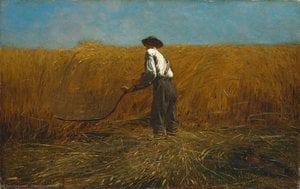
Winslow Homer's "Casting," painted in 1897, isn’t merely a depiction of a fisherman at work; it’s a profound meditation on solitude, the rhythms of nature, and the enduring connection between man and the sea. This watercolor and graphite drawing on wove paper captures a fleeting moment along the rugged Maine coastline, a scene imbued with an almost palpable sense of stillness and contemplation. Homer, already a master of capturing American life – both its bustling energy and its quiet dignity – here presents us with a figure seemingly lost in his craft, utterly absorbed in the act of casting his line into the turbulent waters.
The composition is deceptively simple yet remarkably effective. The fisherman, rendered with Homer’s characteristic solidity and attention to detail, stands on a rocky outcrop, his silhouette stark against the overcast sky. His posture is relaxed, almost meditative, suggesting a deep familiarity with this particular spot and a comfortable rapport with the elements. The focus isn't on dramatic action or heroic feats; instead, it rests entirely on the quiet ritual of casting, an act that speaks volumes about perseverance, patience, and respect for the natural world.
Homer’s technical skill is immediately apparent. The watercolor washes are layered with remarkable subtlety, creating a sense of depth and atmosphere – the grey-blue hues of the ocean mirroring the overcast sky, while hints of green suggest the dampness of the rocks. The graphite lines provide crucial definition to the fisherman's form and the textures of the coastline, grounding the ethereal quality of the watercolor in a tangible reality. Notice particularly how Homer uses light and shadow to sculpt the figure, emphasizing his strength and resilience against the backdrop of the vast ocean.
He masterfully employs atmospheric perspective – objects further away appear paler and less distinct – to create a sense of distance and scale. The receding shoreline is rendered with delicate washes, drawing the viewer’s eye into the boundless expanse of the sea. The careful rendering of the rocks themselves, their rough textures and irregular shapes, adds another layer of realism and anchors the scene in its specific location.
"Casting" is deeply rooted in Homer's own experiences as an artist and observer of American life. Born in Boston, he began his career as a commercial illustrator, honing his skills in capturing scenes with clarity and detail – a skill that would later inform his paintings. His early work often depicted the lives of ordinary people, particularly those engaged in manual labor, reflecting his commitment to portraying the realities of everyday existence. This painting is a testament to his ability to find beauty and significance in the simplest of activities.
The painting’s historical context is also crucial to understanding its meaning. Homer spent much of his life traveling throughout New England, documenting the changing landscape and the lives of its inhabitants. “Casting” reflects a period when America was undergoing rapid industrialization and urbanization, and Homer sought to preserve the memory of a disappearing rural world. The fisherman’s solitary activity becomes a symbol of a connection to a simpler, more sustainable way of life.
Beyond its technical merits, “Casting” resonates with profound emotional depth. The scene evokes a sense of quiet contemplation and resilience – the fisherman's unwavering focus on his task suggests an acceptance of fate and a connection to something larger than himself. The vastness of the ocean serves as a reminder of humanity’s place within the natural world, while the act of casting represents hope, perseverance, and the enduring pursuit of sustenance.
The painting's muted palette and understated composition contribute to its overall sense of melancholy and introspection. It is not a celebratory depiction of success or triumph; rather, it is a poignant meditation on solitude, labor, and the timeless rhythms of nature. “Casting” remains a powerful testament to Winslow Homer’s artistic vision and his ability to capture the essence of American life with remarkable sensitivity and insight.


1836 - 1910 , 미국

Discover the ethereal beauty of premium watercolor reproductions and bespoke commissions at WahooArt. From museum-quality landscapes to custom AI-enhanced portraits, our master artists deliver unparalleled craftsmanship and white-glove service for discerning collectors worldwide.

Explore the profound beauty of American Realism. From Winslow Homer’s rural landscapes to the dignity of everyday life, discover how master artists captured the soul of a nation through evocative oil paintings and timeless fine art techniques.

Discover the ethereal beauty of watercolor through an art-historical lens. Master the delicate balance of light, fluidity, and pigment to capture the luminous essence of nature, inspired by the legendary techniques of the Old Masters and Impressionist greats.


 공유하기
공유하기 공유하기
공유하기
 상세 정보
상세 정보

 다운로드
다운로드
 유사 작품
유사 작품 슬라이드 쇼
 통계 정보
통계 정보

 더 보기
더 보기






































 유리 옵션은 110cm 미만 크기에서만 선택 가능합니다.