빠른 제작과 다양한 마감 옵션을 제공하는 박물관 품질의 지클레이 또는 캔버스 프린트. ( 손으로 그린 그림 구매 디지털 이미지로 전환)





























작품의 원본 비율을 유지하는 미리 설정된 크기 중에서 선택하세요.

특정 프레임이나 공간에 맞춰 직접 치수를 입력하실 수 있습니다. 선택하신 사이즈가 원본 이미지의 비율과 일치하지 않을 경우, 작품을 크롭(자르기)하거나 이미지를 대칭 또는 단색 채우기로 확장하여 제작합니다. 제작 시작 전, 최종 확인을 위해 디지털 목업이 전송됩니다.
화면상의 미리보기는 실제 크롭이나 확장 상태를 반영하지 않으므로, 최종 구도는 오직 목업을 통해서만 정확하게 확인하실 수 있습니다.
맞춤 사이즈 제작도 가능하지만, 원본 비율을 유지하기 위해서는 사전 정의된 목록에서 치수를 선택하시는 것을 권장합니다.

Burnt Mountain
복제본 크기
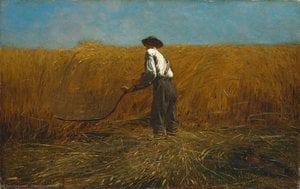
Winslow Homer's "Burnt Mountain," painted around 1892, isn’t merely a depiction of a rugged New England landscape; it’s a carefully constructed meditation on the interplay between nature’s power and human endurance. This oil painting, housed at The Metropolitan Museum of Art in New York City, captures a specific vista near Minerva, New York – a region deeply resonant with Homer's own artistic journey and personal experiences. The scene unfolds before us: two figures, rendered with quiet dignity, rest against a colossal fallen log within a vast, mountainous expanse. It’s a tableau of stillness amidst the drama of the sky, suggesting a moment of respite found within the embrace of nature’s formidable presence.
Homer's artistic evolution is inextricably linked to this work. Beginning his career as a commercial illustrator, he honed an extraordinary ability to capture scenes with remarkable clarity and detail – skills that would later inform his mature paintings. His early apprenticeship instilled in him a deep understanding of composition and visual storytelling, elements powerfully evident here. The painting’s horizontal emphasis—the log, the distant peaks, the horizon line—creates a sense of stability and groundedness, anchoring the viewer within this wild landscape. Yet, it's not a static scene; the swirling clouds above hint at an underlying energy, a reminder of nature’s unpredictable force.
The painting is executed in Homer’s signature style – a masterful blend of realism and impressionism. He eschews meticulous detail in favor of capturing the *feeling* of the scene: the diffused light, the subtle shifts in color, and the overall atmosphere. Brushstrokes are visible, layered upon one another to build texture and depth. The impasto technique—thickly applied paint—is particularly evident on the log and the distant mountains, lending a tactile quality to the canvas. Homer’s use of color is remarkably restrained, dominated by cool blues, grays, and greens that evoke the overcast weather and the rugged terrain. Subtle hints of warmth – in the figures' clothing and the highlights on the log—add a touch of humanity to this otherwise austere landscape.
Furthermore, Homer skillfully employs atmospheric perspective. The distant mountains are rendered paler and less distinct, creating an illusion of depth and suggesting the vastness of the wilderness. This technique, characteristic of plein air painting, emphasizes the immediate scene while simultaneously hinting at a larger world beyond. The flattened perspective contributes to the overall sense of stability and tranquility, inviting the viewer to linger within this carefully composed space.
Beyond its purely visual qualities, “Burnt Mountain” carries significant symbolic weight. The fallen log can be interpreted as a metaphor for resilience—a testament to nature’s ability to endure hardship and recover from devastation. The two figures resting against it represent humanity's capacity for quiet contemplation and finding solace in the natural world. They are not actively engaged in any particular task, but rather simply *being* within this landscape, absorbing its beauty and strength.
Considering Homer’s own life experiences – his early years as a commercial illustrator, his service during the Civil War, and his subsequent retreat to rural New York—the painting resonates with themes of perseverance and finding peace amidst adversity. It's a reflection on the enduring spirit of humanity in the face of nature's power, a sentiment deeply rooted in Homer’s own journey as an artist and a man.
Winslow Homer remains one of America’s most celebrated landscape painters. “Burnt Mountain” stands as a prime example of his distinctive style—a masterful synthesis of realism, impressionism, and evocative storytelling. The painting's enduring appeal lies in its ability to transport the viewer to a remote corner of New England, inviting them to contemplate the beauty and power of nature while simultaneously reflecting on the resilience of the human spirit. Reproductions of this iconic work offer a window into Homer’s artistic vision and provide a timeless reminder of the profound connection between humanity and the natural world.


1836 - 1910 , 미국

Explore the profound beauty of American art history. From the Hudson River School to iconic landscapes, discover a curated journey through the masterpieces that defined a nation's spirit and the enduring legacy of American Romanticism.

Explore the profound beauty of American Realism. From Winslow Homer’s rural landscapes to the dignity of everyday life, discover how master artists captured the soul of a nation through evocative oil paintings and timeless fine art techniques.

Elevate luxury interiors with exquisite mountain oil painting reproductions. From Romanticism to the Hudson River School, WahooArt offers bespoke, hand-painted masterpieces and large-scale murals tailored for hotel designers and elite collectors worldwide.

Embark on a visual journey through the American wilderness. Discover the sublime beauty of Hudson River School landscapes, from Thomas Cole to Homer Dodge Martin, and learn how to bring this timeless, untamed spirit into your home with museum-quality art reproductions.


 미리보기
미리보기
 공유하기
공유하기 공유하기
공유하기
 상세 정보
상세 정보

 다운로드
다운로드
 유사 작품
유사 작품 X-레이
X-레이 슬라이드 쇼
 통계 정보
통계 정보

 더 보기
더 보기









 유리 옵션은 110cm 미만 크기에서만 선택 가능합니다.