무료 아트 컨설팅

x
프린트 구매하기 프린트 구매하기이미지 구매하기 이미지 구매하기 공유하기공유하기
상세 정보상세 정보 즐겨찾기에 추가 즐겨찾기에 추가 다운로드다운로드 유사 작품유사 작품 X-레이X-레이 슬라이드 쇼슬라이드 쇼

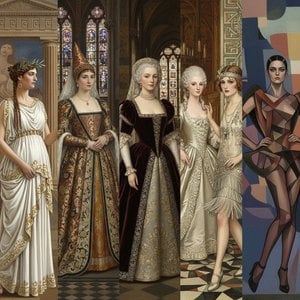
Mini overalls

Dive into Brazilian fashion history with Willlys de Castro’s ‘Mini overalls,’ a Neo-Concrete masterpiece exploring geometric forms and vibrant color palettes from the 1960s.

Explore the innovative art of Willlys de Castro (1926-1988), a Brazilian pioneer of Neo-Concrete art. Discover his 'Active Object' series & unique visual creations.

수제 유화 복제품

원하는 크기와 액자로 주문 제작되는, 작가들이 직접 캔버스에 손으로 그린 유화 작품입니다.

P118B $10
P118H $10
P118W $10
P438Z $10
P508JH $12
P508YH $12
P805H $10
P805Z $10
P919BZ $10
P919G $10
P919XJ $10
P959ZH $10
P968JZ $12
W106C $8
W218G $10
W218JH $8
W218Y $10
W307PJ $10
W316G $10
W316PJ $8
W316Y $10
W398PJ $8
W4111J $10
W500HY $15
W500JH $15
W692G $12
W849H $8
W940BG $15
W953PJ $8

Standard
custom
CM
INCH

작품의 원본 비율을 유지하는 미리 설정된 크기 중에서 선택하세요.

가로 너비
세로 길이

특정 프레임이나 공간에 맞도록 직접 크기를 입력할 수 있습니다. 선택하신 크기가 원본 이미지의 비율과 일치하지 않는 경우, 작품을 자르거나 추가적인 손으로 그린 요소를 사용하여 그림을 확장합니다. 제작 시작 전 승인을 위해 디지털 목업을 보내드립니다.
화면 미리 보기는 실제 자르기 또는 확장을 반영하지 않습니다. 최종 구성은 목업을 통해서만 정확하게 확인하실 수 있습니다.
맞춤 크기 제작도 가능하지만, 원본 비율을 유지하기 위해 사전 정의된 목록에서 크기를 선택하시는 것을 권장합니다.

변경 가능한 예시: 얼굴을 고객의 사진으로 교체, 반려동물 추가(예: 고양이를 강아지로 변경), 배경에 숨겨진 메시지 삽입, 배경 풍경 또는 요소 변경 등
주문 후 WahooArt.com 팀에서 상세 안내를 위해 고객님께 이메일을 보내드리며, 미리보기 시안을 제공해 드립니다.

전 세계 배송()은 표준 5주 대신 3~4주 내에 완료됩니다. (7 7월). 품질에는 어떠한 타협도 하지 않습니다.

why_choose_icon
전 세계 무료 특급 배송
why_choose_icon
프리미엄 린넨 캔버스
why_choose_icon
전체 배송 보험 보장
why_choose_icon
관세 환불 보장
why_choose_icon
실제 색상 일치 보장
why_choose_icon
60일 이내 반품 정책 (제조 결함 시)
why_choose_icon
100% 환불 보장
why_choose_icon
다량 구매 할인 혜택

총 합계 금액

-

reproduction

Mini overalls

재현 기법

복제본 크기

-

최종 결제 금액

-

작품 정보 요약

  • Notable elements or techniques: Active Object series
  • Subject or theme: Fashion History
  • Title: Mini overalls
  • Artist: Willys de Castro
  • Year: 1960
  • Medium: Photography
  • Movement: Neo-Concrete

작품 상세 설명

The collection of 79 pieces, selected by Pietro Maria Bardi (1900–1999), the museum’s founding director, was donated in 1972 by Rhodia. The French chemical manufacturer promoted its synthetic fabrics in Brazil through fashion spectacles, collections and press articles, according to a strategy devised by Lívio Rangan (1933–1984), the company’s visionary publicity manager. The fashion shows presented between 1960 and 1970 were true spectacles that brought together professionals from the fields of theater, dance, music and the arts. Held at the Feira Nacional da Indústria Têxtil [National Textile Industry Fair] (Fenit), Brazil’s largest fashion event at the time, each show featured up to 150 designs, with two collections per year traveling throughout Brazil and internationally.

작가 약력

Willys de Castro: Architect of Active Space

Willys de Castro (February 16, 1926 – June 5, 1988) was a Brazilian visual artist whose work fundamentally challenged the traditional boundaries between painting and sculpture. Born in Cuiabá, Brazil, he emerged as a pivotal figure within the Neo-Concrete movement, a radical artistic current that arose in São Paulo during the late 1950s. De Castro’s legacy lies not just in his individual creations but also in his pioneering role in dismantling established notions of art and its relationship to space, perception, and the viewer. His work is characterized by an intense engagement with materiality, a playful exploration of geometric forms, and a profound desire to create objects that actively participate in their environment – hence the term “Active Object.”

Early Life and Artistic Foundations

Willys de Castro’s early life was shaped by a confluence of influences. He was born into a family deeply rooted in business—his father, Henrique de Castro, owned a gas station, a used car dealership, and a perfumery in Cuiabá. This exposure to the practical world instilled in him an appreciation for design and functionality, which would later inform his approach to art. He began exhibiting musical compositions and graphic works under the pseudonym “Souza Castro” as early as 1950, demonstrating a nascent interest in visual communication and performance. His formal artistic training included studies in music with Salvador Bove, a renowned composer, and drawing under André Fort, providing him with a solid foundation in both disciplines. Crucially, his time at the Alfredo Mesquita School of Dramatic Arts exposed him to theatrical design, further expanding his creative toolkit and fostering an understanding of how art could interact with space and audience.

The Birth of the Active Object

De Castro’s most significant contribution to the art world came with the development of the “Active Objects” series (1959-1962). This groundbreaking body of work represented a radical departure from traditional painting, moving beyond static representation and embracing dynamic interaction. These objects weren't merely presented; they were designed to be manipulated by viewers – tilted, rotated, or even moved. As he himself described, the new art was “more creative and alive the more the support of its ideas becomes part of it, through extreme interdependence and coherence, to the point that its limits cannot be perfectly defined.” This concept shifted the role of the viewer from passive observer to active participant in the artwork’s existence. The objects were often constructed from simple materials – wood, cardboard, fabric – yet their inherent instability and responsiveness created a sense of perpetual motion and transformation.

Neo-Concrete and Influences

De Castro was a key figure in the Neo-Concrete movement, alongside artists like Lygia Clark and Hélio Oiticica. This group rejected the European avant-garde’s emphasis on abstract expressionism and embraced a distinctly Brazilian approach to modern art. Neo-Concrete artists sought to create works that were rooted in everyday experience and engaged with the physical environment. De Castro's work was influenced by concrete art, a movement originating in Europe that prioritized industrial materials and geometric forms. He also drew inspiration from kinetic sculpture and the principles of modular design. His exploration of space and materiality resonated deeply with the broader intellectual currents of the time, reflecting a desire to redefine art’s role in society.

Legacy and Recognition

Willys de Castro's work continues to be celebrated for its innovative spirit and profound impact on Brazilian art. His “Active Objects” remain iconic examples of kinetic sculpture and challenge viewers to reconsider the nature of artistic creation. He was recognized with numerous awards, including a retrospective at the São Paulo Museum of Modern Art in 1957. His influence extends beyond Brazil, inspiring artists around the world to explore new ways of engaging with space, materiality, and the viewer. De Castro’s legacy is not simply as an artist but as a visionary who fundamentally altered our understanding of what art can be – a dynamic, interactive force that transforms its environment and invites participation. His work remains a testament to the power of artistic experimentation and the enduring relevance of Brazilian modernism.
Willys de Castro

Willys de Castro

1926 - 1988 , Brazil

주요 정보

  • Artistic Movement Or Style: Neo-Concrete
  • Artists Or Movements Influenced By This Artist: ['Hélio Oiticica']
  • Artists Who Influenced This Artist: ['Aldo Bonadei']
  • Date Of Birth: Feb 16, 1926
  • Date Of Death: June 5, 1988
  • Full Name: Willys de Castro
  • Nationality: Brazilian
  • Notable Artworks: ['Active Object series']
  • Place Of Birth: Cuiaba, Brazil