


빠른 제작과 다양한 마감 옵션을 제공하는 박물관 수준의 지클레이 및 캔버스 프린트. ( 수작업 채색 복제본 주문하기 디지털 이미지로 전환)
작품의 원본 비율을 그대로 유지하는 프리셋 사이즈 중에서 선택해 보세요.

액자나 벽면 크기에 맞춰 필요한 가로와 세로 길이를 입력해 주세요. 프린트는 원본 이미지보다 크게 제작할 수 없으며 오직 자르는 것만 가능하므로, 비율이 다른 사이즈를 선택할 경우 이미지의 일부가 잘려 나갈 수 있습니다. 인쇄 작업에 들어가기 전, 최종 확인을 위해 디지털 목업을 보내드립니다. 이 페이지에 표시된 이미지는 실제 잘리는 영역을 나타내지 않으며, 오직 목업을 통해서만 정확한 확인이 가능합니다.
Highland Cattle
복제본 크기

In the misty, verdant expanses of the Scottish Highlands, where the earth meets the sky in a dramatic dance of light and shadow, the spirit of William Watson II finds its most profound expression. Born in Edinburgh in 1847, Watson emerged during the late Victorian era not merely as a painter of scenery, but as a chronicler of a vanishing way of life. His artistic journey was deeply rooted in the traditions of British realism, yet it was infused with a Romantic sensibility that sought to capture the sublime emotional resonance of the natural world. This early fascination with the grandeur of nature was nurtured through his formative training under the esteemed John Atkinson Grimshaw, a mentor whose mastery of atmospheric effects and nocturnal light left an indelible mark on Watson’s burgeoning technique.
As Watson matured, his gaze turned toward the rugged beauty of Argyllshire, specifically the Glen Fyne Estate. Having resided in this region for many years, he developed an intimate, almost spiritual connection to its topography. His canvases became windows into a world of heather-covered hillsides and deep, peat-stained bogs, rendered with a palette that pulsated with life. Through the use of meticulous glazing techniques—layering translucent washes of pigment over underpaintings—he achieved a velvety surface texture that allowed light to appear as if it were emanating from within the landscape itself. This luminous quality, often associated with the Luminist movement, transformed simple moorlands into immersive, breathing environments.
While Watson’s early focus remained steadfastly on the topographical majesty of Scotland, his work underwent a beautiful evolution as he began to weave the threads of rural life into his compositions. He realized that the landscape was not merely a backdrop, but a living entity shaped by those who tended it. Consequently, his oeuvre expanded to include the quiet dignity of sheep farming communities and the powerful presence of livestock. His depictions of Highland cattle are particularly noteworthy; they are far more than mere anatomical studies. Instead, Watson imbued these animals with a sense of stoic grace, presenting them as integral components of the Highland ecosystem.
The artist’s ability to balance the vastness of the mountains with the delicate details of pastoral life is perhaps his greatest achievement. In works such as Morning near Oban, one can witness the seamless integration of subject and setting:
The historical significance of William Watson II lies in his role as a visual custodian of the Scottish Highlands during a period of profound transition. Through his brush, the pastoral rhythms of the 19th century were preserved with a level of detail and emotional sincerity that transcends mere documentation. He did not simply paint what he saw; he painted how the landscape felt—the solitude of the glen, the resilience of the cattle, and the fleeting beauty of the light.
Today, his works remain cherished for their ability to transport the observer across time and space. Whether admiring the majestic strength in A Highland Bull or the serene tranquility of a sun-drenched meadow, the viewer is reminded of Watson's unwavering dedication to the truth of nature. His legacy persists as a testament to the power of realism to capture the eternal essence of the wild, ensuring that the rugged splendor of the Scottish Highlands continues to resonate with every new generation of art lovers.

1847 - 1921
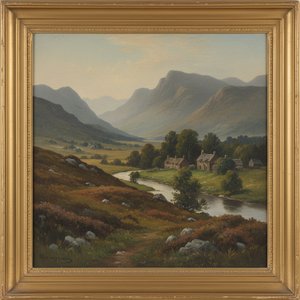
Explore the captivating portraits of Sir John Watson Gordon, a leading Scottish master. Discover his evolution from neoclassical style to atmospheric Tonalism and influence on 19th-century British art. Learn about his iconic sitters & legacy.

Explore the profound beauty of the Scottish Highlands through the lens of Romanticism. Discover the history, technique, and atmospheric mastery behind iconic landscape paintings from the Old Masters to museum-quality oil reproductions for collectors.
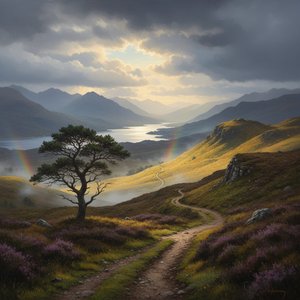
Explore the serene landscapes & majestic Highland cattle paintings of Louis Bosworth Hurt (1856-1929). Discover his mastery of atmospheric perspective and lasting legacy in British art. Learn more at WahooArt.

낭만주의 시대, 예술혼을 불태운 10대 풍경화 걸작! 터너부터 프리드리히까지, 시대를 초월하는 아름다움을 와후아트에서 만나보세요. 고흐의 색채와 코로의 섬세함이 당신의 공간에 영감을 더합니다. 지금 바로 와후아트에서 명품 미술 작품을 감상하고 구매하세요!
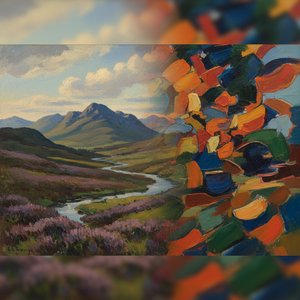
Explore the captivating world of Sir William George Gillies, a leading Scottish Colourist. Discover his journey from Cubism to iconic landscapes & still lifes. Expert insights for collectors and art enthusiasts.
 미리보기
미리보기
 공유하기
공유하기 공유하기
공유하기
 상세 정보
상세 정보 가이드 보기

 다운로드
다운로드
 유사 작품 더 보기
 X-레이
X-레이 슬라이드 쇼 보기
 질의응답
질의응답
 통계 정보
통계 정보
 더 보기
더 보기






































 유리 옵션은 110cm 미만 크기에서만 선택 가능합니다.


