


 Oil On CanvasWallArtClassicism
 1759Early Modern
 91.0 x 105.0 cm
빠른 제작과 다양한 마감 옵션을 제공하는 박물관 품질의 지클레이 또는 캔버스 프린트. ( 손으로 그린 그림 구매 이미지 구매)





























작품의 원본 비율을 유지하는 미리 설정된 크기 중에서 선택하세요.

특정 프레임이나 공간에 맞춰 직접 치수를 입력하실 수 있습니다. 선택하신 사이즈가 원본 이미지의 비율과 일치하지 않을 경우, 작품을 크롭(자르기)하거나 이미지를 대칭 또는 단색 채우기로 확장하여 제작합니다. 제작 시작 전, 최종 확인을 위해 디지털 목업이 전송됩니다.
화면상의 미리보기는 실제 크롭이나 확장 상태를 반영하지 않으므로, 최종 구도는 오직 목업을 통해서만 정확하게 확인하실 수 있습니다.
맞춤 사이즈 제작도 가능하지만, 원본 비율을 유지하기 위해서는 사전 정의된 목록에서 치수를 선택하시는 것을 권장합니다.

The Lady's Last Stake
복제본 크기
In the quiet, flickering glow of an eighteenth-century hearth, William Hogarth captures a moment of profound psychological tension that transcends the mere boundaries of a domestic scene. "The Lady's Last Stake," painted around 1759, is far more than a simple depiction of a card game; it is a masterclass in the art of the conversation piece. As we gaze upon this oil on canvas, we find ourselves drawn into an intimate, almost voyeuristic encounter between two souls. The room, bathed in the warm, amber light of a crackling fireplace, feels tangible—the heavy textures of the furniture and the soft shadows dancing across the walls invite the viewer to step inside this private sanctuary of high-stakes emotion.
The composition centers on a man and a woman locked in a silent yet thunderous dialogue. The woman, her hand pressed delicately against her face in a gesture of mounting anxiety or perhaps forced composure, embodies the very essence of the painting's title. She stands at a precipice, where the next card turned could signify either financial ruin or the preservation of her social standing. Beside her, the man watches with an intensity that is both piercing and unreadable, his gaze acting as a mirror to the viewer's own suspense. This interplay of gazes creates a magnetic pull, drawing the eye through the intricate details of the room—from the steady ticking of the clock above the mantle to the delicate silhouette of a vase on the dining table.
Hogarth, often celebrated as a biting satirist, demonstrates here a more nuanced, Classicism influenced approach, blending realism with deep symbolic resonance. While his fame often rests on the sharp edges of social critique, in this work, he employs a softer, almost Rococo sensibility to explore the fragility of virtue. The painting serves as a visual metaphor for the precariousness of life in Georgian England. Every element within the frame—the open window hinting at the outside world, the arrangement of the chairs, the very placement of the playing cards—contributing to a narrative of "Piquet: or Virtue in Danger."
For the discerning collector or interior designer, this piece offers an unparalleled opportunity to introduce a sense of historical gravity and intellectual depth into a space. The artwork does not merely decorate a wall; it anchors a room with its storytelling power. Its rich palette of warm ochres, deep shadows, and soft highlights provides a sophisticated foundation for classical or contemporary interiors alike. To possess a high-quality reproduction of this masterpiece is to hold a fragment of history, allowing the subtle drama of Hogarth's brushwork to inspire conversation and contemplation within the modern home.
Ultimately, "The Lady's Last Stake" remains a timeless exploration of human vulnerability. It reminds us that beneath the polished veneer of social etiquette lies a world of intense passion, risk, and consequence. Whether viewed as a study in light and shadow or as a profound commentary on the human condition, Hogarth’s work continues to captivate, offering an enduring elegance that resonates with anyone who finds beauty in the complex layers of the human heart.


1697 - 1764 , 영국
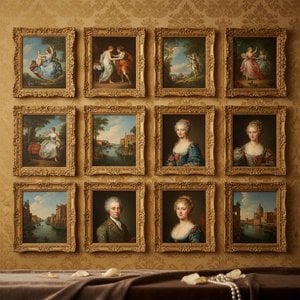
Immerse yourself in the elegance of the Rococo era. Explore 10 iconic masterpieces by legends like Fragonard and Watteau, featuring lush textures and pastel palettes. Find museum-quality art reproductions to inspire your decor. Discover all masterpieces on WahooArt.com.

Discover the exquisite allure of Rococo art. Explore a curated guide to 18th-century French masterpieces, from Watteau to Fragonard, and learn how hand-painted oil reproductions can bring timeless elegance and luxury to your sophisticated interior design collection.

Immerse yourself in the splendor of Rococo art. Discover the era of elegance through masterworks by Watteau and Fragonard. Explore themes of romance, aristocratic leisure, and gilded ornamentation in this definitive guide to 18th-century French opulence.


 미리보기
미리보기
 공유하기
공유하기 공유하기
공유하기
 상세 정보
상세 정보

 다운로드
다운로드
 유사 작품
유사 작품 X-레이
X-레이 슬라이드 쇼
 더 보기
더 보기









 유리 옵션은 110cm 미만 크기에서만 선택 가능합니다.


