
원하는 크기와 액자로 주문 제작되는, 작가들이 직접 캔버스에 손으로 그린 유화 작품입니다. ( 프린트 판매로 전환 디지털 이미지로 전환)





























작품의 원본 비율을 유지하는 미리 설정된 크기 중에서 선택하세요.

특정 프레임이나 공간에 맞도록 직접 크기를 입력할 수 있습니다. 선택하신 크기가 원본 이미지의 비율과 일치하지 않는 경우, 작품을 자르거나 추가적인 손으로 그린 요소를 사용하여 그림을 확장합니다. 제작 시작 전 승인을 위해 디지털 목업을 보내드립니다.
화면 미리 보기는 실제 자르기 또는 확장을 반영하지 않습니다. 최종 구성은 목업을 통해서만 정확하게 확인하실 수 있습니다.
맞춤 크기 제작도 가능하지만, 원본 비율을 유지하기 위해 사전 정의된 목록에서 크기를 선택하시는 것을 권장합니다.

Shortly After the Marriage
복제본 크기
In the grand, sweeping tapestry of 18th-century English art, few threads are as biting or as brilliantly woven as those found in William Hogarth's "Shortly After the Marriage." Completed in 1736, this masterpiece serves as a profound window into the soul of Georgian London, capturing a moment that is far more than a mere domestic gathering. At first glance, the viewer is greeted by the opulent textures of the Rococo era—the shimmering fabrics, the delicate ornamentation, and the soft, inviting light that suggests a scene of high-society leisure. Yet, beneath this polished veneer lies a searing indictment of an era obsessed with social climbing and the hollow pursuit of status. Hogarth, a master of the "modern moral subject," uses this intimate setting to expose the fractures within the aristocratic facade, transforming a celebratory milestone into a cautionary tale of vanity and misplaced ambition.
The composition is a masterful exercise in narrative tension, where every object placed upon the table or scattered across the room whispers a secret. As we gaze upon the central figures, particularly the woman adorned in her lavish gown, we see more than just fashion; we see the weight of expectation. The crown motif on her attire acts as a poignant symbol of marital dignity and the lofty aspirations of her class, yet it stands in stark contrast to the underlying discord. Hogarth employs chiaroscuro with surgical precision, using dramatic shifts between light and shadow to guide our eyes toward the subtle clues of decay and deceit. A stray book or an abandoned bottle is never just a prop; they are symbols of erudition lost to indulgence, or perhaps the remnants of a life lived purely for the senses.
To behold a reproduction of this work is to experience the meticulous craftsmanship that defined Hogarth’s genius. His technique is grounded in an uncompromising realism that makes the textures of the room feel almost tactile. One can almost sense the heavy weight of the velvet draperies, the cold smoothness of the porcelain, and the subtle, unsettling creases in the fine linens. This commitment to detail serves a higher purpose: it grounds his satirical elements in a world that feels undeniably real, making the social critique all the more impactful for the viewer. The interplay of light across the dining table creates an atmosphere that is simultaneously inviting and claustrophical, trapping the subjects within their own gilded cage.
For the discerning collector or interior designer, "Shortly After the Marriage" offers a profound emotional depth that transcends simple decoration. It is a piece that invites conversation, challenging anyone who sits before it to look past the surface. The presence of the dog, often a symbol of fidelity, adds a layer of irony to a scene where human loyalty is clearly in question. Whether placed in a contemporary gallery or a classic study, this painting brings with it an intellectual gravity. It is not merely an acquisition of beauty, but an acquisition of history and wit—a timeless reminder that the most beautiful exteriors often mask the most complex and turbulent interiors.


1697 - 1764 , 영국

Journey through 18th century art! Explore 10 iconic paintings – from Rococo elegance to Neoclassical grandeur. Discover Fragonard, David & more. Find museum-quality reproductions and elevate your home decor on WahooArt.com.

Explore the history of satire in art! From ancient masters like Aristophanes to Goya & Grosz, discover how artists use wit and critique to reflect—and challenge—society. Expert insights at WahooArt.

Explore the satirical world of William Hogarth, pioneering British painter & engraver. Discover his iconic works like *A Rake's Progress* and insightful social commentary on 18th-century London life.

Explore the world of 18th-century portraiture with WahooArt. Discover symbolism, artistic innovation & societal values reflected in masterpieces by Reynolds, Hogarth & more. Expert insights for collectors.
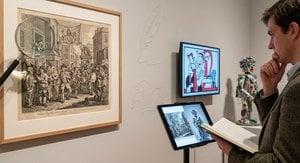
Explore the history of satire in art! From Hogarth's London to contemporary critique, discover how artists use wit & visual power to reflect and challenge society. Expert insights at WahooArt.


 미리보기
미리보기
 공유하기
공유하기 공유하기
공유하기
 상세 정보
상세 정보

 다운로드
다운로드
 유사 작품
유사 작품 X-레이
X-레이 슬라이드 쇼
 통계 정보
통계 정보

 더 보기
더 보기









 유리 옵션은 110cm 미만 크기에서만 선택 가능합니다.


