
빠른 제작과 다양한 마감 옵션을 제공하는 박물관 품질의 지클레이 또는 캔버스 프린트. ( 손으로 그린 그림 구매 디지털 이미지로 전환)





























작품의 원본 비율을 유지하는 미리 설정된 크기 중에서 선택하세요.

특정 프레임이나 공간에 맞춰 직접 치수를 입력하실 수 있습니다. 선택하신 사이즈가 원본 이미지의 비율과 일치하지 않을 경우, 작품을 크롭(자르기)하거나 이미지를 대칭 또는 단색 채우기로 확장하여 제작합니다. 제작 시작 전, 최종 확인을 위해 디지털 목업이 전송됩니다.
화면상의 미리보기는 실제 크롭이나 확장 상태를 반영하지 않으므로, 최종 구도는 오직 목업을 통해서만 정확하게 확인하실 수 있습니다.
맞춤 사이즈 제작도 가능하지만, 원본 비율을 유지하기 위해서는 사전 정의된 목록에서 치수를 선택하시는 것을 권장합니다.

Self Portrait at the Easel
복제본 크기
To gaze upon William Hogarth’s “Self Portrait at the Easel” is to step through a portal into the vibrant, often contradictory heart of 18th-century England. Completed around 1748, this masterpiece serves as much more than a simple record of an artist’s likeness; it is a meticulously crafted snapshot of intellectual and social life during the Age of Reason. In this era, characterized by a fervent belief in scientific inquiry and philosophical progress, Hogarth presents himself not merely as a craftsman, but as a profound thinker. The painting captures the very essence of Georgian England—a period where the light of Enlightenment was beginning to illuminate the shadows of long-standing social hierarchies.
The composition centers on the artist himself, seated with a deliberate and commanding presence at his easel. Surrounded by the humble yet essential tools of his trade—scatter of brushes, pigments, and a palette—Hogarth elevates the act of painting to an intellectual pursuit. His gaze is direct and unflinching, possessing a self-awareness that reflects the burgeoning humanist spirit of his time. Through a masterful blend of realism and the subtle, expressive qualities of the Rococo style, Hogarth achieves a texture of life that feels both immediate and eternal. The technique allows the viewer to sense the weight of the bristles and the richness of the oils, grounding the lofty intellectual themes in the tactile reality of the studio.
Beyond the central figure, the painting breathes with a quiet, domestic complexity. The background offers an intimate glimpse into Hogarth's world, where a dining table laden with tableware sits illuminated by the soft, flickering glow of candlelight. This setting suggests a life that is comfortable yet perhaps somewhat austere, reflecting the artist's grounded nature. The presence of figures in the periphery adds layers of narrative depth, hinting at familial connections and the social structures that defined the era. These secondary characters serve as vital foils to Hogarth’s solitary contemplation, prompting us to consider how the individual exists within the broader tapestry of society.
Every element within the frame is imbued with symbolic significance. The easel stands as a monument to creativity and the relentless pursuit of truth through artistic representation. The palette and brushes are not merely objects, but symbols of the meticulous observation required to capture the human experience. For the discerning collector or interior designer, this work offers a profound sense of narrative weight. It is a piece that invites conversation, acting as an anchor in any space by providing a window into a vanished world of intellectual rigor and social transformation.
For those seeking to adorn their homes or galleries with art that possesses both historical gravity and aesthetic beauty, a high-quality reproduction of this self-portrait offers unparalleled inspiration. The emotional impact of the work lies in its ability to bridge the gap between the 18th century and the present day, reminding us of the enduring power of the human gaze and the importance of documenting our place in history. Whether placed in a study, a library, or a sophisticated living space, Hogarth’s vision brings an air of scholarly elegance and timelessness.
Owning a piece that captures the "Hogarthian" spirit means embracing a legacy of social commentary and technical brilliance. This painting is not just a decoration; it is an invitation to reflect on the progress of civilization and the enduring importance of the artist as a witness to their time. It remains a cornerstone for any collection dedicated to the profound intersections of art, history, and the human soul.


1697 - 1764 , 영국
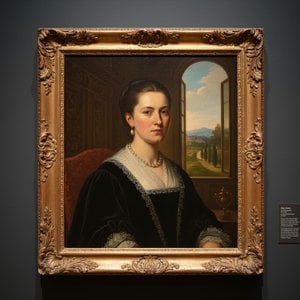
Explore the profound legacy of classical portraiture. From the dramatic chiaroscuro of the Old Masters to exquisite hand-painted oil reproductions, discover how timeless elegance and masterful technique continue to inspire collectors and art enthusiasts worldwide.

Transform your most cherished family memories into breathtaking oil masterpieces. Discover the elegance of bespoke, hand-painted portrait commissions, meticulously crafted by academy-trained artists to create a timeless legacy for your home and generations to come.


 미리보기
미리보기
 공유하기
공유하기 공유하기
공유하기
 상세 정보
상세 정보

 다운로드
다운로드
 유사 작품
유사 작품 X-레이
X-레이 슬라이드 쇼
 통계 정보
통계 정보

 더 보기
더 보기









 유리 옵션은 110cm 미만 크기에서만 선택 가능합니다.


