

작가가 직접 캔버스에 손으로 그린 유화 작품으로, 원하는 크기와 액자로 맞춤 제작해 드립니다. ( 프린트 판매로 전환 디지털 이미지 판매 채널로 전환)





























작품의 원본 비율을 그대로 유지하는 프리셋 사이즈 중에서 선택해 보세요.

특정 프레임이나 공간에 맞춰 원하는 크기를 직접 입력하실 수 있습니다. 선택하신 크기가 원본 이미지의 비율과 일치하지 않을 경우, 작품을 자르거나 추가적인 수작업 요소를 더해 그림을 확장하여 제작합니다. 제작 시작 전, 최종 확인을 위해 디지털 목업을 보내드립니다.
화면상의 미리 보기는 실제 크롭(자르기)이나 확장된 상태를 완벽히 반영하지 않을 수 있습니다. 최종 구도는 오직 목업을 통해서만 정확하게 확인하실 수 있습니다.
맞춤 크기 제작도 가능하지만, 원본의 비율을 그대로 유지하기 위해서는 미리 정의된 목록에서 크기를 선택하시는 것을 권장합니다.

Falstaff Examining His Recruits
복제본 규격
William Hogarth's "Falstaff Examining His Recruits," painted in 1728, isn’t merely a depiction of a tavern scene; it’s a meticulously crafted tableau vivant, a vibrant snapshot of London society brimming with wit, satire, and a profound understanding of human folly. This oil on canvas masterpiece transcends the simple act of gathering around a table, instead offering a complex commentary on social climbing, deception, and the pursuit of fleeting pleasure – all filtered through the lens of Shakespeare’s iconic character, Sir John Falstaff.
The painting immediately draws the eye with its teeming composition. Thirteen figures, rendered in Hogarth's signature detail, populate the room, each contributing to a sense of controlled chaos. We see a diverse cast: a pompous gentleman attempting to impress, a shifty-eyed recruit clearly angling for advantage, a weary tavern keeper observing the proceedings with cynical amusement, and several hangers-on caught up in the spectacle. Hogarth’s genius lies not just in capturing individual likenesses but in conveying their personalities through subtle gestures, expressions, and the arrangement of their bodies within the space. The clock on the wall, the scattered cups, and the bowl on the table aren't mere decorative elements; they are carefully placed props that reinforce the scene’s atmosphere of indulgence and potential misdirection.
Hogarth was a staunch advocate for “picture-making,” a technique he developed to elevate painting beyond simple representation. In "Falstaff Examining His Recruits," this is evident in the meticulously constructed perspective, drawing the viewer's eye through the room with a clear sense of depth. The use of light and shadow – *chiaroscuro* – dramatically highlights key figures and creates an illusion of three-dimensionality, further enhancing the realism of the scene. Notice how Hogarth employs diagonal lines to create movement and dynamism, pulling us into the heart of the gathering. The composition isn’t haphazard; it's a carefully orchestrated arrangement designed to reveal character and advance the narrative.
Hogarth’s technical skill is equally impressive in his rendering of fabrics – the velvet waistcoat, the roughspun tunic, the worn leather boots – each texture meticulously depicted. This attention to detail wasn’t simply for aesthetic pleasure; it served to ground the scene in a specific time and place, reinforcing the painting's historical context. The artist’s use of color is restrained but effective, relying on subtle variations to differentiate characters and create visual interest.
"Falstaff Examining His Recruits" is deeply rooted in its time – 18th-century London was a city rife with social ambition, economic disparity, and moral decay. Hogarth, a keen observer of these trends, used his art to expose the hypocrisy and corruption that often lay beneath the veneer of respectability. Falstaff himself represents a figure who embodies this spirit: a charming rogue who thrives on deception and manipulation, preying upon the desires and vulnerabilities of others.
The painting’s symbolism is layered and complex. The recruits represent those seeking social advancement through any means necessary, while Falstaff symbolizes the allure of easy gain and the dangers of unchecked ambition. Even seemingly innocuous details – like the bowl overflowing with wine – can be interpreted as symbols of excess and indulgence. Hogarth wasn't simply depicting a tavern scene; he was offering a pointed critique of societal values.
A reproduction of “Falstaff Examining His Recruits” offers a unique opportunity to engage with this remarkable work on a deeper level. WahooArt’s hand-painted reproductions capture the essence of Hogarth's original, faithfully recreating his meticulous detail, dramatic lighting, and insightful commentary. The nuances of color, texture, and composition are preserved with exceptional accuracy, allowing viewers to appreciate the painting’s full richness and complexity.
Whether adorning a grand salon or adding character to a more intimate space, this artwork is sure to spark conversation and evoke a sense of timeless wit. It's an investment in art history, a testament to Hogarth’s enduring legacy, and a beautiful reminder of the power of observation and satire.

1697 - 1764 , 영국
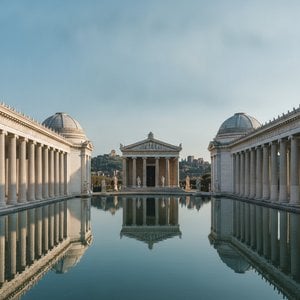
Discover the profound elegance of Neoclassicism. Explore how the pursuit of order, symmetry, and Greco-Roman ideals created a timeless aesthetic for collectors seeking grandeur and intellectual depth in fine art and architecture.

Discover the profound beauty of Academic Classicism. Explore the principles of order, anatomical precision, and the enduring legacy of Neoclassical masters through this expert guide to timeless elegance and technical perfection in fine art.

 실제 크기로 보기
 보내기
보내기 공유하기
공유하기
 상세 보기
상세 보기 가이드 보기

 이미지 다운로드
 유사 작품 더 보기
 X-레이
X-레이 슬라이드 쇼 보기
 통계 정보
통계 정보

 상세 보기
상세 보기









 유리 옵션은 110cm 미만 크기에서만 선택 가능합니다.


