
원하는 크기와 액자로 주문 제작되는, 작가들이 직접 캔버스에 손으로 그린 유화 작품입니다. ( 프린트 판매로 전환 디지털 이미지로 전환)





























작품의 원본 비율을 유지하는 미리 설정된 크기 중에서 선택하세요.

특정 프레임이나 공간에 맞도록 직접 크기를 입력할 수 있습니다. 선택하신 크기가 원본 이미지의 비율과 일치하지 않는 경우, 작품을 자르거나 추가적인 손으로 그린 요소를 사용하여 그림을 확장합니다. 제작 시작 전 승인을 위해 디지털 목업을 보내드립니다.
화면 미리 보기는 실제 자르기 또는 확장을 반영하지 않습니다. 최종 구성은 목업을 통해서만 정확하게 확인하실 수 있습니다.
맞춤 크기 제작도 가능하지만, 원본 비율을 유지하기 위해 사전 정의된 목록에서 크기를 선택하시는 것을 권장합니다.

Arcade, Tunisia
복제본 크기
In his 1932 masterpiece, Arcade, Tunisia, William H. Johnson invites the viewer to step through a threshold of light and shadow, entering a world where architecture and humanity exist in a rhythmic, harmonious dance. The painting captures a bustling public arcade, defined by its striking red brick arches that frame the scene with a warm, architectural embrace. These sweeping curves do more than just provide structure; they act as portals, guiding the eye through a layered composition of depth and movement. Within this sheltered space, the artist depicts a lively tableau of daily life, where figures linger near doorways or rest upon benches, creating a sense of shared community. The atmosphere is one of tranquil vitality, capturing that fleeting, golden moment when the heat of the day begins to soften into the gentle hum of social connection.
Johnson’s approach to this work reflects a sophisticated mastery of color and form, blending elements of modernist abstraction with a profound sensitivity to light. The palette is dominated by earthy, sun-drenched tones—terracotta reds, warm ochres, and deep shadows—that evoke the Mediterranean climate and the tactile reality of the Tunisian landscape. His technique utilizes bold, deliberate strokes that lend a sense of weight and permanence to the brickwork, while simultaneously allowing for a fluid, almost musical movement among the people depicted. There is a rhythmic quality to the way the arches repeat across the canvas, mirroring the cadence of a heartbeat or the steady pulse of a city in motion.
To understand Arcade, Tunisia, one must consider the historical moment in which it was conceived. Created during a period when Johnson was refining his unique visual language, this painting serves as a testament to his ability to find universal truths within specific cultural landscapes. While Johnson is celebrated as a pivotal figure of the Harlem Renaissance, his travels and observations allowed him to weave a global tapestry into his work. In this piece, we see the precursor to his later, more iconic folk-modernist style—a way of stripping away unnecessary detail to reveal the essential spirit of a place. The arcade becomes a symbol of the crossroads, a space where the private lives of individuals intersect with the public grandeur of history and architecture.
For the discerning collector or interior designer, this painting offers much more than mere decoration; it provides an emotional anchor for a room. The warmth of the red brickwork and the inviting nature of the composition make it an ideal centerpiece for spaces that aim to evoke comfort, sophistication, and worldly curiosity. Whether placed in a sunlit gallery or a contemporary living space, the artwork radiates a sense of timelessness. It is a piece that rewards prolonged contemplation, offering new layers of light and shadow with every glance, and serving as a constant reminder of the beauty found in the quiet, bustling moments of our shared human experience.

1901 - 1970
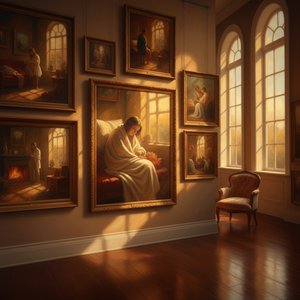
Explore the power of warm colors in art history! Discover how masters used reds, oranges & yellows to evoke emotion. Expert insights on Baroque drama, interior design & finding your perfect palette. WahooArt offers handmade reproductions.
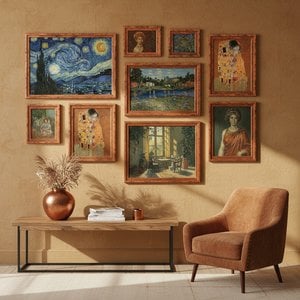
Explore 10 iconic paintings bathed in rich copper tones! From Rembrandt to Klimt, discover the stories behind these masterpieces & their warm color palettes. Find museum-quality art reproductions for your home at WahooArt.com.
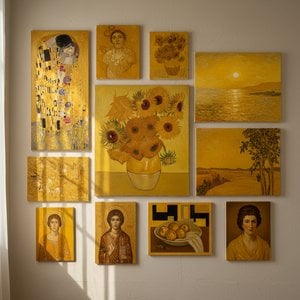
Explore 10 iconic paintings bathed in golden yellow ochre! From Van Gogh's sunflowers to Monet’s haystacks, discover the stories behind these masterpieces. Find museum-quality art reproductions & elevate your home decor on .

Explore the rich symbolism of the red dress in art history! From ancient power displays to iconic portraits like Cézanne’s 'Madame Cezanne', discover the cultural and artistic significance behind this captivating color. Expert analysis & insights.
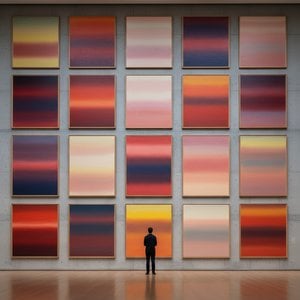
마크 로스코 최고작 25선을 만나보세요. 추상 표현주의 거장의 색채로 표현된 심오한 감정과 예술의 세계를 탐험하고, WahooArt에서 명화 복제본과 특별한 인테리어 아이디어를 찾아보세요. 지금 바로 컬렉션을 확인하세요!


 미리보기
미리보기
 공유하기
공유하기 공유하기
공유하기
 상세 정보
상세 정보 Guide
Guide

 다운로드
다운로드
 유사 작품
유사 작품 X-레이
X-레이 슬라이드 쇼
 통계 정보
통계 정보


 더 보기
더 보기









 유리 옵션은 110cm 미만 크기에서만 선택 가능합니다.


