
 Oil On CanvasWallArt
 1849
1849 63.0 x 53.0 cm
 Royal College of Art
빠른 제작과 다양한 마감 옵션을 제공하는 박물관 품질의 지클레이 또는 캔버스 프린트. ( 손으로 그린 그림 구매 디지털 이미지로 전환)





























작품의 원본 비율을 유지하는 미리 설정된 크기 중에서 선택하세요.

특정 프레임이나 공간에 맞춰 직접 치수를 입력하실 수 있습니다. 선택하신 사이즈가 원본 이미지의 비율과 일치하지 않을 경우, 작품을 크롭(자르기)하거나 이미지를 대칭 또는 단색 채우기로 확장하여 제작합니다. 제작 시작 전, 최종 확인을 위해 디지털 목업이 전송됩니다.
화면상의 미리보기는 실제 크롭이나 확장 상태를 반영하지 않으므로, 최종 구도는 오직 목업을 통해서만 정확하게 확인하실 수 있습니다.
맞춤 사이즈 제작도 가능하지만, 원본 비율을 유지하기 위해서는 사전 정의된 목록에서 치수를 선택하시는 것을 권장합니다.

Standing Male Nude
복제본 크기
William Etty’s “Standing Male Nude” is not merely a depiction of the human form; it's a pivotal moment in the history of British art, a bold assertion of artistic freedom within a society grappling with Victorian sensibilities. Painted in 1849, this monumental canvas—measuring an impressive 63 x 53 centimeters—captures a figure poised on the precipice of action, his arms outstretched as if bracing for a challenge or perhaps simply embracing the expansive possibilities of existence. The painting’s immediate impact lies in its unapologetic celebration of the nude male body, a subject largely taboo within the established artistic conventions of the time. Etty, a Royal Academician and a man known for his intensely personal and often controversial work, defied societal expectations by presenting this powerfully rendered figure with an honesty and directness rarely seen in contemporary art.
Etty’s technical mastery is immediately evident. The artist meticulously renders every curve of the musculature, from the taut definition of the shoulders and chest to the subtle ripple beneath the skin. His use of light and shadow is particularly striking; a dramatic chiaroscuro effect emphasizes the contours of the body, lending it an almost sculptural quality. Note the way the light catches on the exposed flesh, creating highlights that seem to shimmer with life. The background—a dark, undefined space—further isolates the figure, intensifying its presence and drawing the viewer’s attention entirely to the subject. This deliberate simplicity underscores Etty's focus on his primary concern: capturing the essence of human form with unparalleled realism and emotional depth.
The painting’s historical context is crucial to understanding its significance. Following the abolition of slavery, Britain was undergoing a period of intense social and political change. The Victorian era, characterized by strict moral codes and a conservative outlook, sought to impose order and restraint on all aspects of life. Yet, within this framework, artists like Etty were pushing boundaries, exploring themes of sexuality, vulnerability, and the human condition with unprecedented frankness. “Standing Male Nude” can be interpreted as a defiant statement against these restrictive norms, a celebration of the body’s inherent beauty and power.
Furthermore, Etty's work reflects his deep engagement with classical art. He was heavily influenced by the works of Renaissance masters like Titian and Rubens, particularly their depictions of the human nude. However, unlike many of his contemporaries who simply copied these ancient models, Etty infused them with a distinctly British sensibility. His figures are not idealized or ethereal; they possess a palpable physicality, a sense of raw emotion that resonates deeply with the viewer. The pose itself—a dynamic and slightly awkward stance—suggests a moment of contemplation, a pause before action, inviting us to consider the complexities of human experience.
While the precise meaning of “Standing Male Nude” remains open to interpretation, several symbolic elements contribute to its richness. The figure’s outstretched arms could represent a yearning for connection, a desire for freedom, or perhaps simply an embrace of life's uncertainties. Some scholars have suggested that the pose alludes to classical Greek sculpture, specifically depictions of Apollo—the god of light, music, and poetry—imbuing the painting with connotations of strength, beauty, and artistic inspiration. The starkness of the composition also lends a sense of vulnerability; stripped bare, both physically and emotionally, the figure is exposed to the world, inviting us to confront our own perceptions of beauty and mortality.
Beyond its immediate visual impact, “Standing Male Nude” serves as a testament to Etty’s artistic vision and his courage in challenging conventional norms. It remains a powerful and evocative work of art, offering a glimpse into the complexities of Victorian society and the enduring fascination with the human form. Reproductions of this masterpiece continue to captivate audiences today, reminding us of the transformative power of art to provoke thought, inspire emotion, and challenge our understanding of the world around us.


1787 - 1849 , 영국

Explore the captivating history of nude art! Discover iconic paintings & artists from classical to modern eras. Uncover symbolism, techniques & find museum-quality reproductions at WahooArt.
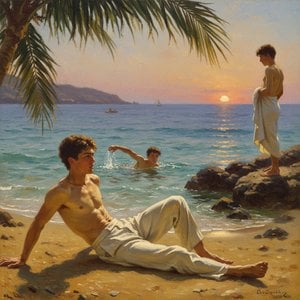
Explore the captivating world of Henry Scott Tuke's paintings – a master of British Impressionism renowned for his intimate depictions of youth and sunlit maritime scenes. Discover his legacy & aesthetic influence.

런던 대영박물관의 숨겨진 이야기 25가지! 로제타석부터 파르테논 신전 조각까지, 역사와 예술이 살아 숨 쉬는 명작들을 만나보세요. 렘브란트, 반 고흐 등 거장들의 작품을 WahooArt.com에서 감상하고 특별한 인테리어를 완성하세요.

Explore the captivating world of William Etty, a pioneering Victorian artist famed for his dramatic historical paintings and groundbreaking nude figures. Discover his life, controversial reception, and enduring legacy with our expert analysis.

Explore the captivating history of the nude in art! From ancient Greece to modern masters, discover its evolving symbolism, techniques & enduring beauty. Expert insights for collectors and enthusiasts.


 미리보기
미리보기
 공유하기
공유하기 공유하기
공유하기
 상세 정보
상세 정보 가이드 보기

 다운로드
다운로드
 유사 작품
유사 작품 X-레이
X-레이 슬라이드 쇼
 통계 정보
통계 정보 더 보기
더 보기









 유리 옵션은 110cm 미만 크기에서만 선택 가능합니다.


