Oil On CanvasWallArtAbstract Expressionism
 1967Modern
 47.0 x 61.0 cm
빠른 제작과 다양한 마감 옵션을 제공하는 박물관 품질의 지클레이 또는 캔버스 프린트. ( 손으로 그린 그림 구매 디지털 이미지로 전환)





























작품의 원본 비율을 유지하는 미리 설정된 크기 중에서 선택하세요.

특정 프레임이나 공간에 맞춰 직접 치수를 입력하실 수 있습니다. 선택하신 사이즈가 원본 이미지의 비율과 일치하지 않을 경우, 작품을 크롭(자르기)하거나 이미지를 대칭 또는 단색 채우기로 확장하여 제작합니다. 제작 시작 전, 최종 확인을 위해 디지털 목업이 전송됩니다.
화면상의 미리보기는 실제 크롭이나 확장 상태를 반영하지 않으므로, 최종 구도는 오직 목업을 통해서만 정확하게 확인하실 수 있습니다.
맞춤 사이즈 제작도 가능하지만, 원본 비율을 유지하기 위해서는 사전 정의된 목록에서 치수를 선택하시는 것을 권장합니다.

White Nude
복제본 크기
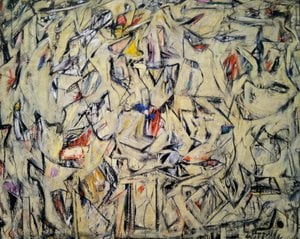
To stand before Willem de Kooning’s White Nude is to enter a realm where the boundaries between the physical form and raw, unbridantly emotion begin to dissolve. This 1967 masterpiece serves as a profound window into the psyche of one of the most influential figures of the Abstract Expressionist movement. The canvas does not merely present a subject; it stages a confrontation. At its heart lies a central female figure, rendered in striking whites that seem to struggle against an encroaching tide of color and texture. This is not a portrait of a person so much as it is a portrait of a feeling—a turbulent, pulsating energy that captures the very essence of human vulnerability and strength intertwined.
The composition invites the viewer to look beyond the surface. While the central figure commands attention, the periphery of the work is alive with smaller, ghostly forms that suggest a larger, more complex narrative of existence. These secondary figures, nestled within the chaotic landscape of the background, create a sense of depth and psychological layering, as if we are witnessing a fragment of a much larger, more turbulent dreamscape. For the discerning collector or interior designer, this piece offers a commanding presence, acting as a focal point that demands contemplation and sparks deep conversation within any sophisticated space.
De Kooning’s technical mastery is found in his refusal to be contained by traditional boundaries. Eschewing the polished finish of classical realism, he embraced the impasto technique, applying paint with a ferocity that leaves behind a physical topography on the canvas. Each stroke is a record of an action; the thick, textured ridges and valleys of pigment create a rhythmic movement that guides the eye across the surface in a dance of light and shadow. This aggressive application of paint—often described as slashing or swirling—imbued the work with a sense of spontaneous creation, making the act of painting itself part of the artwork's soul.
The palette is a deliberate study in contrast. The starkness of the white subject matter provides a necessary anchor amidst a sea of jarring, high-energy hues. Deep blacks, fiery reds, and sun-drenched yellows collide without seeking harmony, instead opting for a tension that mirrors the internal conflicts of the human condition. This intentional dissonance is what gives the reproduction such life; when captured in a high-quality hand-painted format, these textures and colors retain their ability to vibrate with an almost tactile intensity, bringing the restless spirit of New York's postwar art scene into the modern home.
To understand White Nude, one must understand the era of its birth. Emerging from the cultural upheaval of the mid-20th century, De Kooning was a pioneer in rejecting the rigid constraints of European Modernism. He sought to forge a new, uniquely American visual language—one that could articulate the anxieties, the uncertainties, and the profound transformations of a world recovering from global conflict. His work reflects a period where artists were no longer content to depict reality with photographic precision; they felt a desperate need to capture the truth of experience, even if that truth was messy, fragmented, and chaotic.
For those seeking to adorn their surroundings with art that possesses both historical weight and contemporary relevance, this work stands as a testament to the enduring power of abstraction. It is more than a decoration; it is an invitation to experience the sublime. Whether placed in a minimalist gallery-style setting or a richly textured study, De Kooning’s vision continues to challenge our perceptions, reminding us that within the chaos of color and form, there lies a profound and beautiful human truth.


1904 - 1997 , 네덜란드

Explore the profound emotional depth of Abstract Expressionism. From Pollock's dynamic drips to de Kooning's gestural mastery, our expert guide offers art collectors a sophisticated analysis of this transformative movement and its enduring legacy in modern fine art.


 미리보기
미리보기
 공유하기
공유하기 공유하기
공유하기
 상세 정보
상세 정보

 다운로드
다운로드
 유사 작품
유사 작품 X-레이
X-레이 슬라이드 쇼
 통계 정보
통계 정보 더 보기
더 보기









 유리 옵션은 110cm 미만 크기에서만 선택 가능합니다.