빠른 제작과 다양한 마감 옵션을 제공하는 박물관 품질의 지클레이 또는 캔버스 프린트. ( 손으로 그린 그림 구매 디지털 이미지로 전환)





























작품의 원본 비율을 유지하는 미리 설정된 크기 중에서 선택하세요.

특정 프레임이나 공간에 맞춰 직접 치수를 입력하실 수 있습니다. 선택하신 사이즈가 원본 이미지의 비율과 일치하지 않을 경우, 작품을 크롭(자르기)하거나 이미지를 대칭 또는 단색 채우기로 확장하여 제작합니다. 제작 시작 전, 최종 확인을 위해 디지털 목업이 전송됩니다.
화면상의 미리보기는 실제 크롭이나 확장 상태를 반영하지 않으므로, 최종 구도는 오직 목업을 통해서만 정확하게 확인하실 수 있습니다.
맞춤 사이즈 제작도 가능하지만, 원본 비율을 유지하기 위해서는 사전 정의된 목록에서 치수를 선택하시는 것을 권장합니다.

Untitled
복제본 크기
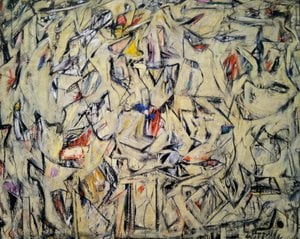
In the realm of twentieth-century modernism, few works possess the raw, turbulent energy found in Willem de Kooning’s Untitled. This striking piece serves as a profound psychological record of an era defined by postwar anxiety and a restless search for new meaning. At first glance, the viewer is met with a composition that defies easy categorization, pulling the eye into a swirling vortex of form and shadow. The subject matter—a depiction of the female form—emerges not through delicate lines, but through a series of fragmented gestures and muscular contours that suggest both presence and dissolution. It is a work that does not merely sit upon the canvas; it vibrates with an unsettling dynamism, capturing the very essence of Abstract Expressionism.
The technique employed here is a masterclass in what is often termed "action painting." De Kooning utilizes thick, impasto strokes and heavy applications of pigment to build a surface that feels almost sculptural. The use of charcoal-like textures and deep shading creates a sense of physical struggle, as if the artist were wrestling with the medium itself to pull meaning from chaos. This tactile quality is essential for anyone seeking to appreciate the piece; it invites a visual exploration of the layers, where every scrape and smudge tells the story of a deliberate, energetic movement. For the discerning collector or interior designer, this texture provides a sophisticated depth that can anchor a room, offering a focal point that changes character depending on the light and perspective.
To understand the emotional weight of this work, one must look to the historical landscape of the mid-1960s. The piece reflects a period of intense transformation, where the boundaries between figuration and pure abstraction were being aggressively redrawn. De Kooning, a titan of the New York School, moved away from the more recognizable subjects of his earlier career to embrace a language of fragmentation. This stylistic shift mirrors the fractured realities of a world navigating the complexities of the modern age. The painting embodies a sense of existential inquiry, using the human form as a vessel for exploring themes of identity, vulnerability, and strength.
Beyond its historical significance, the artwork offers an unparalleled emotional impact. There is a certain "terrible beauty" in its chaos—a way in which the tension between the heavy, dark strokes and the emerging light creates a rhythmic, almost musical quality. It evokes a sense of movement that is both chaotic and controlled, making it an ideal selection for spaces designed to inspire contemplation or bold intellectual engagement. Whether displayed in a contemporary gallery setting or as a centerpiece in a curated residential collection, this reproduction brings with it the enduring power of De Kooning’s vision: a testament to the beauty found within the struggle of creation.


1904 - 1997 , 네덜란드
Unveil the visceral power of Abstract Expressionism. Our expert exploration delves into the transformative legacies of Pollock, Rothko, and De Kooning, offering discerning collectors a profound understanding of the New York School’s enduring mastery and historical impact.

Explore the profound emotional depth of Abstract Expressionism. From Pollock's dynamic drips to de Kooning's gestural mastery, our expert guide offers art collectors a sophisticated analysis of this transformative movement and its enduring legacy in modern fine art.


 미리보기
미리보기
 공유하기
공유하기 공유하기
공유하기
 상세 정보
상세 정보 가이드 보기

 다운로드
다운로드
 유사 작품
유사 작품 X-레이
X-레이 슬라이드 쇼
 통계 정보
통계 정보

 더 보기
더 보기









 유리 옵션은 110cm 미만 크기에서만 선택 가능합니다.