이 페이지에 표시된 작품은 저작권법의 보호를 받으며, 이에 따라 동일한 복제품을 제작하거나 판매하는 것은 법으로 금지되어 있습니다. 이러한 권리 보호는 다음과 같은 국제 협약에 따라 시행됩니다. 베른 협약 또한 다음에서 명시하는 법률을 포함한 국내법에 의해 보호됩니다. 미국 저작권법 제17조.
이 방식은 저작권 보호를 받는 예술 작품을 복제하거나 그대로 재현하는 것이 아니기에 저작권 규정을 완벽히 준수합니다. 대신, 이는 창의적인 재해석의 과정을 거칩니다. 즉, 원작에서 영감을 받되 원작과 동일하지 않은 새로운 회화 작품을 의미합니다.
빠른 제작과 다양한 마감 옵션을 선택할 수 있는 박물관 수준의 지클레이 및 캔버스 프린트. ( 수작업 채색 복제본 주문하기 디지털 이미지 판매 채널로 전환)





























작품의 원본 비율을 그대로 유지하는 프리셋 사이즈 중에서 선택해 보세요.

액자나 벽면 크기에 맞춰 필요한 가로와 세로 길이를 입력해 주세요. 프린트는 원본 이미지보다 크게 제작할 수 없으며 오직 자르는 것만 가능하므로, 비율이 다른 사이즈를 선택할 경우 이미지의 일부가 잘려 나갈 수 있습니다. 인쇄 작업에 들어가기 전, 최종 확인을 위해 디지털 목업을 보내드립니다. 이 페이지에 표시된 이미지는 실제 잘리는 영역을 나타내지 않으며, 오직 목업을 통해서만 정확한 확인이 가능합니다.
Untitled
복제본 규격
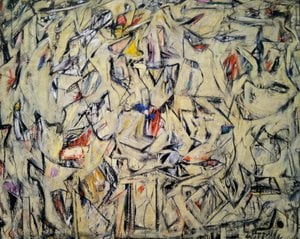
In the landscape of twentieth-century art, few works possess the raw, turbulent energy found in Willem de Kooning’s 1950 masterpiece, Untitled. As a cornerstone of the Abstract Expressionist movement, this canvas serves as more than just a visual arrangement; it is a profound psychological record of an era defined by postwar anxiety and a restless search for new meaning. De Kooning, a pioneer of the New York School, eschewed the comforts of traditional composition to embrace a style often described as action painting. In this work, the viewer is not merely observing a static image but witnessing a frozen moment of intense physical and emotional struggle, where every stroke carries the weight of the artist's direct engagement with the medium.
The technique employed in this piece is a masterclass in gestural freedom. De Kooning utilized oil paints on canvas to create a densely populated surface where thick, sweeping lines collide and intertwine with an almost violent spontaneity. There is a palpable sense of layering and reworking; evidence of scraping and heavy application suggests that the artist labored over the surface, building up textures that invite a tactile response. These lines are not precise or clinical; they bleed into one another, creating a network of amorphous shapes that seem to vibrate with movement. This restless dynamism defies easy categorization, pulling the eye across the canvas in a continuous loop of discovery and disorientation.
While the energy of the work is explosive, de Kooning achieves a surprising sense of focus through an extraordinarily disciplined color palette. By limiting himself primarily to shades of cream and off-white, punctuated only by deep, dark brown accents, he strips away the distraction of complex color relationships. This deliberate restraint forces the viewer to confront the sheer materiality of the paint itself—the thickness of the impasto, the direction of the drips, and the interplay of light across the uneven surface. This monochromatic approach intensifies the painting's impact, turning the focus toward form and the raw essence of the artist's movement.
Beneath the layers of abstraction, there lies a haunting suggestion of the human condition. While the work is undeniably non-representational, the presence of fragmented facial features or limb-like shapes hints at de Kooning’s enduring fascination with figuration and portraiture. These distorted, ghostly remnants of humanity can be interpreted as symbols of psychological fragmentation, reflecting the internal turmoil and social shifts of the mid-century period. For the collector or interior designer, this piece offers a sophisticated balance: it provides the bold, commanding presence required for a statement wall, while its nuanced textures and muted tones allow it to integrate seamlessly into modern, minimalist, or even classical environments.
Owning a high-quality reproduction of this work means bringing a piece of art history into one's personal space. It is an invitation to contemplate the beauty found within chaos and to appreciate the profound emotional depth that can emerge when an artist dares to break all the rules. Untitled remains a timeless testament to the power of the human spirit to find expression in the most turbulent of forms.
"Untitled"의 작가는 윌렘 드 쿠닝입니다. 이 작품은 윌렘 드 쿠닝의 이름으로 등록되어 있습니다.
윌렘 드 쿠닝의 "Untitled"의 재료는 Oil On Canvas입니다. 복제화는 이 기법의 질감을 그대로 구현하는 것을 목표로 합니다.
윌렘 드 쿠닝의 "Untitled"의 색채 구성은 Statement한 대비와 Strong Color Unity한 조화를 동시에 보여줍니다.

1904 - 1997 , 네덜란드

Immerse yourself in the dramatic world of Francisco de Zurbarán. Explore 25 iconic Spanish Baroque masterpieces defined by intense tenebrism and spiritual realism. Find inspiration for museum-quality art reproductions and decor. Discover all masterpieces on WahooArt.com.

Journey through the raw emotion of Abstract Expressionism. From Pollock's drips to Rothko's color fields, explore 10 iconic masterpieces and their stories. Find museum-quality art reproductions for your space at WahooArt.com. Discover all masterpieces on WahooArt.com.
Unveil the visceral power of Abstract Expressionism. Our expert exploration delves into the transformative legacies of Pollock, Rothko, and De Kooning, offering discerning collectors a profound understanding of the New York School’s enduring mastery and historical impact.

 실제 크기로 보기
 보내기
보내기 공유하기
공유하기
 상세 보기
상세 보기 가이드 보기

 이미지 다운로드
 유사 작품 더 보기
 X-레이
X-레이 슬라이드 쇼 보기
 통계 정보
통계 정보

 상세 보기
상세 보기









 유리 옵션은 110cm 미만 크기에서만 선택 가능합니다.