OilWallArtAbstract Expressionism
 1963Modern
 74.0 x 59.0 cm
원하는 크기와 액자로 주문 제작되는, 작가들이 직접 캔버스에 손으로 그린 유화 작품입니다. ( 프린트 판매로 전환 디지털 이미지로 전환)





























작품의 원본 비율을 유지하는 미리 설정된 크기 중에서 선택하세요.

특정 프레임이나 공간에 맞도록 직접 크기를 입력할 수 있습니다. 선택하신 크기가 원본 이미지의 비율과 일치하지 않는 경우, 작품을 자르거나 추가적인 손으로 그린 요소를 사용하여 그림을 확장합니다. 제작 시작 전 승인을 위해 디지털 목업을 보내드립니다.
화면 미리 보기는 실제 자르기 또는 확장을 반영하지 않습니다. 최종 구성은 목업을 통해서만 정확하게 확인하실 수 있습니다.
맞춤 크기 제작도 가능하지만, 원본 비율을 유지하기 위해 사전 정의된 목록에서 크기를 선택하시는 것을 권장합니다.

Two Standing Women
복제본 크기
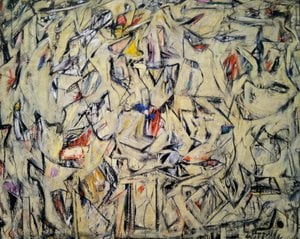
In the realm of mid-century modern art, few works command the room with as much raw, unbridled energy as Willem de Kooning’s “Two Standing Women.” Completed in 1963, this masterpiece serves as a profound testament to the power of Abstract Expressionism, offering more than just a visual experience—it offers an emotional confrontation. The painting presents two figures that seem to emerge from a turbulent sea of color, their forms defined not by precise outlines but by the frantic, rhythmic dance of the brush. As they stand side-by-side, hands resting on hips in a pose of both vulnerability and defiance, the viewer is drawn into a psychological landscape where the boundaries between the human form and the surrounding atmosphere begin to dissolve.
For the discerning collector or interior designer, this piece acts as a powerful focal point, capable of anchoring a room with its intense presence. The composition is inherently dynamic; the figures are positioned closely, creating a sense of intimacy that is simultaneously disrupted by the chaotic, gestural strokes that swirl around them. This tension between the recognizable human silhouette and the encroaching abstraction creates a captivating visual rhythm that keeps the eye moving across the canvas, discovering new layers of depth and movement with every glance.
De Kooning’s technique in this work is a masterclass in what is famously known as action painting. Rather than seeking to replicate reality through academic precision, he utilized thick, impasto applications of paint to embody the very act of creation. Each stroke is a record of a physical movement, a frozen moment of spontaneous improvisation. The palette is deliberately striking, dominated by a vibrant yellow background that radiates warmth and light, yet it is punctuated by aggressive reds and deep blacks that inject a sense of underlying drama and weight.
This interplay of color does more than decorate the surface; it functions as the painting's emotional heartbeat. The bright yellows evoke a sense of vitality, while the darker accents suggest the shadows of the subconscious. For those looking to integrate such a piece into a sophisticated interior, its bold chromatic profile offers endless inspiration, pairing exquisitely with minimalist modern decor or adding a layer of historical gravity to more contemporary settings. The texture of the brushwork provides a tactile quality that brings a sense of life and organic energy to any wall it inhabits.
To understand “Two Standing Women,” one must look toward the era of its birth. Emerging from the cultural anxieties of the Cold War, the painting reflects the existential searching that defined the 1960s. De Kooning’s refusal to categorize his subjects—often simply referring to them as “a woman”—mirrors the broader intellectual movement toward questioning identity and the human condition. The figures embody a sense of resilience amidst chaos, standing firm even as the world around them appears to be in a state of flux.
This profound depth makes the work an enduring icon for art lovers who seek pieces with narrative weight. It is not merely a depiction of two figures; it is a meditation on strength, fragmentation, and the beauty found within disorder. Owning a high-quality reproduction of such a seminal work allows one to bring this legacy of gestural abstraction into the home, providing a daily encounter with the sublime energy of one of the twentieth century's greatest artistic minds.


1904 - 1997 , 네덜란드

Explore the profound emotional depth of Abstract Expressionism. From Pollock's dynamic drips to de Kooning's gestural mastery, our expert guide offers art collectors a sophisticated analysis of this transformative movement and its enduring legacy in modern fine art.

Explore the profound elegance of De Stijl. Discover how Piet Mondrian and the masters of Neoplasticism utilized geometric harmony and primary colors to redefine modern abstraction. An authoritative guide for the discerning collector seeking timeless, structured beauty.


 미리보기
미리보기
 공유하기
공유하기 공유하기
공유하기
 상세 정보
상세 정보

 다운로드
다운로드
 유사 작품
유사 작품 X-레이
X-레이 슬라이드 쇼
 통계 정보
통계 정보 더 보기
더 보기









 유리 옵션은 110cm 미만 크기에서만 선택 가능합니다.