이 페이지에 표시된 작품은 저작권법의 보호를 받으며, 이에 따라 동일한 복제품을 제작하거나 판매하는 것은 법으로 금지되어 있습니다. 이러한 권리 보호는 다음과 같은 국제 협약에 따라 시행됩니다. 베른 협약 또한 다음에서 명시하는 법률을 포함한 국내법에 의해 보호됩니다. 미국 저작권법 제17조.
이 방식은 저작권 보호를 받는 예술 작품을 복제하거나 그대로 재현하는 것이 아니기에 저작권 규정을 완벽히 준수합니다. 대신, 이는 창의적인 재해석의 과정을 거칩니다. 즉, 원작에서 영감을 받되 원작과 동일하지 않은 새로운 회화 작품을 의미합니다.
빠른 제작과 다양한 마감 옵션을 제공하는 박물관 수준의 지클레이 및 캔버스 프린트. ( 수작업 채색 복제본 주문하기 디지털 이미지로 전환)





























작품의 원본 비율을 그대로 유지하는 프리셋 사이즈 중에서 선택해 보세요.

액자나 벽면 크기에 맞춰 필요한 가로와 세로 길이를 입력해 주세요. 프린트는 원본 이미지보다 크게 제작할 수 없으며 오직 자르는 것만 가능하므로, 비율이 다른 사이즈를 선택할 경우 이미지의 일부가 잘려 나갈 수 있습니다. 인쇄 작업에 들어가기 전, 최종 확인을 위해 디지털 목업을 보내드립니다. 이 페이지에 표시된 이미지는 실제 잘리는 영역을 나타내지 않으며, 오직 목업을 통해서만 정확한 확인이 가능합니다.
The Acrobat
복제본 크기
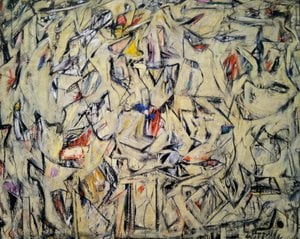
In Willem de Kooning’s 1942 masterpiece, The Acrobat, the viewer is immediately drawn into a profound state of quietude interrupted by an underlying tension. The painting presents a solitary man, dressed in a striking yellow shirt, seated in a moment of repose that feels far from peaceful. While his body remains still, his gaze is directed away from the observer, looking toward something unseen beyond the frame. This deliberate positioning creates an immediate sense of detachment and introspection, inviting those who stand before it to contemplate the complexities of the human psyche. There is a palpable melancholy in his expression, a feeling of being lost in thought, which transforms a simple portrait into a deep exploration of solitude.
Beyond its subject matter, The Acrobat serves as a powerful testament to the burgeoning movement of Abstract Expressionism. De Kooning eschews the precise, representational lines of traditional portraiture in favor of a more spontaneous and emotional language. The technique is characterized by thick, heavy impasto, where the paint is applied with such vigor that the canvas itself seems to pulsate with life. These expressive brushstrokes do not merely depict a man; they convey a state of being. The textured surfaces capture a sense of movement and struggle, as if the artist’s very gestures were an attempt to wrestle meaning from chaos. For the collector or interior designer, this piece offers a commanding presence, bringing a tactile, energetic dimension to any space.
To understand the true depth of this work, one must consider the historical shadow cast by its creation in 1942. As the world was gripped by the anxieties of World War II, de Kooning channeled that collective uncertainty into his art. The painting is rich with symbolic layers that speak to both resilience and mortality. While the man embodies the adaptability and inner fortitude of an acrobat—balancing through life's pressures—the inclusion of a clock on the wall serves as a poignant memento mori. It is a silent reminder of the relentless passage of time and the fleeting nature of existence. Through this delicate balance of subject and symbol, de Kooning creates a work that is not only visually captivating but emotionally resonant, making it an enduring inspiration for those who appreciate art that speaks to the very core of the human experience.
슬라이드쇼로 감상하기: 윌렘 드 쿠닝의 "The Acrobat"의 슬라이드쇼 페이지.
윌렘 드 쿠닝의 "The Acrobat"의 작품 형태(Portrait)와 추천 공간(Living Room)은 이 작품을 위한 두 가지 배치 정보입니다.
윌렘 드 쿠닝의 "The Acrobat"의 휘도는 Soft Shadow입니다. 휘도는 색상이 빛을 얼마나 반사하는지를 나타냅니다.
1904년 로테르담. 네덜란드의 공기 속에는 변화를 맞이한 한 가족의 무게가 실려 있습니다. 4월 24일, 윌렘 드 쿠닝은 레엔데르트 드 쿠닝과 코르넬리아 노벨 사이에서 세상에 첫발을 내디뎠습니다. 그의 유년 시절은 부모님의 이혼이라는 가족의 해체로 점철되었으며, 이는 그의 내면에 끊임없는 방황과 갈구라는 흔적을 남겼습니다. 이러한 내면의 유랑은 대서양을 건너는 여정까지 이어집니다. 1926년, 그는 평범한 여행자가 아닌 영국 화물선의 밀항자로 미국에 도착하여 버지니아주 뉴포트 뉴스에 발을 내디뎠습니다. 그는 낯선 풍경 속에서 삶의 터전을 찾기 위해 분투하는 이방인이었습니다.
뉴욕이라는 도시의 거친 질감은 곧 그의 현실이 되었습니다. 그는 자신의 예술적 비전을 지탱하기 위해 집 도장공과 목수로 일하며 도시의 거대한 확장을 온몸으로 통과해 나갔습니다. 이 생존의 시기는 결코 예술로 가는 길의 우회로가 아니었습니다. 그것은 오히려 단단한 토대였습니다. 그는 건설 현장의 육체적 고된 노동에서부터 캔버스 위에서 펼쳐지는 강렬하고 몸짓적인 요구에 이르기까지, 도시의 맥박을 온전히 흡수했습니다. 그의 존재는 정형화된 훈련의 세계와 뉴욕 화파(New York School)의 혼돈스러운 에너지 사이에서 끊임없이 협상하며 나아가는 과정 그 자체였습니다.
그는 추상표현주의 운동의 중심 인물로서, 수십 년에 걸친 양식적 진화 속에서도 그 존재감을 잃지 않았습니다. 그는 도시 풍경을 묘사하던 단계에서 벗어나, 더욱 본능적이고 파편화된 형태의 언어로 나아갔습니다. 이러한 예술적 궤적은 그가 92세의 나이로 1997년 3월 19일 세상을 떠날 때까지 멈추지 않았습니다. 그는 평생에 걸쳐 물감을 통해 인간의 정신을 표현하고자 했던 치열한 투쟁의 기록들을 예술적 유산으로 남겼습니다.
1916년 로테르담, 교실의 문이 닫힙니다. 열두 살의 나이로 윌렘 드 쿠닝은 정규 교육의 길을 뒤로한 채 상업 미술의 세계로 발을 내딛습니다. 그는 상업 미술 회사에서 도제 생활을 시작하며 기술적인 숙련도를 쌓아 나갔습니다. 당시 그의 작업은 정밀함과 안료의 실용적인 활용에 집중되어 있었습니다. 이 시기는 고된 노동의 연속이었으나, 훗날 그의 작품이 추상을 향해 나아갈 때에도 그 밑바탕에 흐르는 장인 정신의 토대를 구축하는 소중한 시간이 되었습니다.
해가 저문 저녁 시간은 아카데미 반 베일데 쿤스텐 엔 테크니셰 베텐스하펜(Academie van Beeldende Kunsten en Technische Wetenschappen)의 몫이었습니다. 십 대 시절부터 1924년에 이르기까지, 그는 로테르담에서 일과 정규 미술 공부 사이의 균형을 맞추며 치열하게 하루를 보냈습니다. 그는 사물을 바라보는 눈을 가다듬고, 형태를 그려내며, 시각적 세계의 구조를 이해하는 법을 익혔습니다. 아카데미를 떠날 무렵, 그는 더 이상 단순한 도제가 아니었습니다. 그는 점차 숙련된 기술을 바탕으로 대상의 형상을 포착해내는 초상화가로 성장해 있었습니다. 이 집중적인 훈련의 시간은 대서양 너머에서 그를 기다리고 있는 급진적인 예술적 변화를 위한 필수적인 도구가 되어주었습니다.
대서양을 건너는 여정은 마치 그림자 속에서 벌어지는 도박과도 같았습니다. 1926년, 윌렘 드 쿠닝은 정식 승객이 아닌 영국 화물선 Shelley호에 몰래 몸을 숨긴 밀항자로서 미국 땅을 밟았습니다. 1926년 8월 15일, 배가 버지니아주 뉴포트 뉴스에 정박하며 그의 새로운 삶이 시작되었습니다. 그곳에서부터 그의 에너지는 뉴욕이라는 거칠고 역동적인 도시를 향해 쏠리기 시작했습니다. 뉴욕은 그에게 노동과 생존이 교차하는 거대한 풍경이었습니다. 그는 집수리공, 목수, 그리고 상업 화가로 일하며 도시의 거친 환경을 헤쳐 나갔습니다. 이러한 육체적인 노동들은 그가 예술적 비전을 쫓는 동안, 도시의 물리적 현실에 그를 단단히 붙들어 매어주는 닻과 같은 역할을 했습니다.
1934년에 이르러, 예술가로서 인정받기 위한 그의 투쟁은 더욱 조직적인 형태로 변모했습니다. 그는 아티스트 유니온(Artists Union)에 합류하며 뉴욕 미술계의 집단적인 에너지 속으로 깊숙이 들어갔습니다. 삶은 고단했습니다. 그는 상업 미술의 정교함과 여러 직업을 통해 겪어야 했던 고된 육체노동 사이를 끊임없이 오갔습니다. 이 시기는 훗날 그의 안식처가 될 도시에서 겪은, 쉼 없이 이어지는 일상의 고단함으로 정의됩니다. 그는 뉴욕이라는 거대한 삶의 기계 장치 안에서, 그 내부로부터 움직이며 끊임없이 자신의 존재를 증명해 나가는 이방인이었습니다.
1930년대 초반, 윌렘 드 쿠닝은 재현적 묘사와 새롭게 태동하는 추상적 충동 사이의 팽팽한 긴장감 속에서 예술적 여정을 이어갔습니다. 1938년경 탄생한 Two Standing Men은 형태가 완전히 해체되기 전, 인물의 존재감을 포착해낸 중요한 작품입니다. 이러한 실험적 시도들은 1950년대 초반, 예술적 패러다임을 뒤흔드는 급진적인 변화로 이어집니다. 1950년에서 1953년 사이 제작된 Woman 연작은 파편화되고 본능적인 여성의 형상을 통해 관객을 압도하며, 단순한 미적 이상향을 넘어 인간의 복잡한 감정과 성적 욕망을 거친 붓질로 탐구해냈습니다.
이 강렬한 시기의 정점에는 1950년에서 1952년 사이에 완성된 Woman I가 자리하고 있습니다. 캔버스는 마치 투쟁의 현장과도 같으며, 인물은 두터운 임파스토 기법과 충돌하는 색채의 그물망 속에 갇혀 있습니다. 인물에 대한 이러한 집착은 시간이 흐르며 또 다른 차원의 공간적 긴장감으로 전이됩니다. 1955년, 그는 Interchange를 완성하며 이전의 구상적 강렬함에서 벗어나 확장된 추상적 도시 풍경으로 나아갑니다. 이는 Woman 연작이 보여준 육체적 몰입에서 벗어나, 공간과 색채를 다루는 방식이 보다 건축적이고 몸짓적인 구도로 변화했음을 여실히 보여주는 대목입니다.
그의 캔버스는 물리적 투쟁이 벌어지는 격렬한 투기장이 됩니다. 윌렘 드 쿠닝은 공격적인 붓놀림으로 화면을 몰아붙이며, 두터운 임파스토(impasto) 층을 쌓아 올려 마치 만질 수 있을 듯한 묵직하고 촉각적인 지형을 만들어냅니다. 그는 단순히 물감을 칠하는 것에 그치지 않고, 안료에 식용유를 섞는 등의 방식을 통해 물감을 자유자재로 조절하며 젖은 상태에서 덧칠하는 웻 온 웻(wet-on-wet) 기법을 빈번히 구사합니다. 이러한 방식은 색상들 사이에 유동적이고 예측 불가능한 상호작용을 일으키며, 붓질의 끊임없는 움직임 속에서 경계는 흐릿해지고 새로운 질감이 피어오르게 합니다. 그의 흔적은 결코 통제되어 있거나 정지해 있지 않습니다. 대신 그것은 몸짓(gestural) 그 자체이며, 갑작스럽고 결단력 있는 에너지로 구도를 가로지르는 서예적이고 검은 형상들을 남깁니다.
그는 하나의 범주 안에 안주하기를 거부합니다. 동시대의 많은 예술가가 순수 추상을 향해 나아갈 때, 윌렘 드 쿠닝은 인식 가능한 형태와 혼돈 사이의 불안정한 긴장감을 유지했습니다. 그는 추상과 구상을 빈번하게 결합하며, 인체의 요소를 파편화된 비선형적 공간 속으로 끌어들입니다. 엉킨 붓질 사이로 얼굴이 막 모습을 드러내려 하면, 곧이어 덮이는 다음 층의 물감에 의해 다시 해체되어 버리기도 합니다. 이러한 확정적인 형태에 머물기를 거부하는 태도는 끊임없이 변화하는 '생성'의 감각을 만들어냅니다. 그의 작품은 영원한 수정의 상태 속에 존재하며, 그에게 있어 회화라는 행위는 형태 그 자체를 구현하는 것만큼이나 그 형태를 찾아가는 처절한 투쟁에 가깝습니다.
재현의 세계에서 추상의 세계로 나아가는 그의 여정은 수많은 예술적 동료들과의 교감 속에서 이루어졌습니다. 뉴욕에서 윌렘 드 쿠닝은 아르실 고르키라는 위대한 스승을 만납니다. 이들의 관계는 매우 깊고도 본질적이었습니다. 고르키는 그가 전통적인 형태를 해체하고 끊임없는 실험을 이어가도록 이끈 정신적 지주였습니다. 이러한 만남은 윌렘 드 쿠닝의 초기 도시 풍경 작업과, 그의 후기 예술을 정의하는 강렬하고 본능적인 추상 사이를 잇는 결정적인 가교가 되었습니다. 그는 스튜어트 데이비스와 존 그라함 같은 예술가들의 사유를 흡수하며, 단순한 묘사를 넘어선 자신만의 예술적 언어를 구축해 나갔습니다.
그가 완성한 시각적 언어는 서로 다른 힘들이 충돌하며 빚어낸 경이로운 결과물입니다. 그는 입체주의의 구조적 교훈과 초현실주의의 심리적 깊이로부터 영감을 얻었습니다. 형태를 다루는 방식에서는 피카소의 영향이 짙게 묻어나는 한편, 프란츠 클라인의 작업은 그의 예술 세계에 새로운 차원을 더해주었습니다. 윌렘 드 쿠닝은 클라인으로부터 더욱 서예적인 접근 방식을 받아들였으며, 흑백의 에나멜 구성을 활용하고 격렬한 붓질을 대신하는 역동적인 몸짓의 흔적들을 작품에 담아냈습니다. 이러한 진화는 과거의 다소 무거운 화법에서 벗어나 한 단계 더 도약했음을 보여주는 대목입니다.
이러한 과정을 거치며 그는 뉴욕 화파의 중심 인물로 우뚝 섭니다. 잭슨 폴록과 리 크래스너 같은 거장들을 포함한 이 예술가 집단은 세계 미술의 창조적 중심지를 재정의했습니다. 그들은 이전 미술 사조의 메마른 형식주의를 거부하고, 캔버스가 즉흥적이고 감정적인 진실을 분출하는 투쟁의 장이 되는 새로운 공간을 선택했습니다. 이 역동적인 흐름 속에서 윌렘 드 쿠닝의 작품은 구상과 추상 사이를 끊임없이 오가며, 어느 한쪽의 틀에 안주하지 않는 영원한 변화의 상태를 유지했습니다.
1943년은 그의 삶에서 가정적 풍경이 변화하는 전환점이 된 해로, 일레인 프리드(Elaine Fried)와 결혼에 골인하게 됩니다. 두 사람의 결합은 예술적 동반자로서의 상호 지지와 개인적인 고뇌가 복잡하게 뒤엉킨 형태였습니다. 그들은 작업실을 공유하며 뉴욕 미술계의 치열하고 압박감 넘치는 환경을 함께 헤쳐 나갔습니다. 이들의 결혼 생활은 서로의 예술적 경력을 존중하는 개방적인 관계를 특징으로 하면서도, 한편으로는 알코올 중독이라는 무거운 그림자가 늘 그 곁을 맴돌았습니다. 이러한 긴장감은 격렬한 창작의 에너지와 사적인 불안정이 공존했던 그들의 동행 기간을 정의하는 핵심적인 요소가 되었습니다.
1956년, 딸 리사 드 쿠닝(Lisa de Kooning)의 탄생과 함께 가족의 형태는 확장되었습니다. 그러나 결혼 생활 내면의 균열은 더욱 깊어만 갔습니다. 결국 1957년, 두 사람은 별거에 들어갔고, 이들의 공유된 역사 속에서 약 20년이라는 긴 공백기가 생겨나게 됩니다. 비록 예술적 교류를 통해 전문적인 삶의 궤적은 같은 예술적 범주 안에서 계속해서 교차했지만, 심리적 거리는 여전히 멀리 떨어져 있었습니다. 이 깊었던 갈등의 골은 1976년, 그와 일레인이 다시 재회하며 비로소 메워지게 됩니다.
예술 세계의 중심축이 파리의 전통적인 살롱에서 미국의 실험적인 최전선으로 이동하던 격변의 시기, 윌렘 드 쿠닝은 그 전환점의 한가운데에 서 있었습니다. 추상표현주의 운동의 핵심 인물로서 그는 뉴욕이 세계적인 예술의 중심지로 자리매김하는 데 결정적인 역할을 했습니다. 뉴욕파(New York School)의 주역이었던 그의 존재는 20세기 중반의 시각적 언어를 재정의하며, 이전 세대의 경직된 형식주의에서 벗어나 캔버스를 향한 더욱 본능적이고 몸짓적인 접근 방식을 제시했습니다.
그의 영향력은 전후 시대를 훨씬 넘어 오늘날까지 이어지고 있습니다. 추상과 구상의 간극을 메워낸 독보적인 능력은 그를 20세기 가장 중요한 미국 예술가 중 한 명으로 각인시켰습니다. 기성 규범에 안주하기를 거부하는 그의 작품들은 끊임없이 논쟁을 불러일으키는 동시에 경외심을 자아냅니다. 혼돈과 질서 사이의 팽팽한 긴장감이 살아 숨 쉬는 그의 캔버스는, 관객으로 하여금 대상의 가공되지 않은 야생적 본질과 마주하도록 도전합니다.

1904 - 1997 , 네덜란드

Discover the transformative power of premium abstract oil paintings. WahooArt offers bespoke, hand-painted masterpieces and expert art consultation to elevate luxury interiors with unmatched craftsmanship, authenticity, and global delivery.
 미리보기
미리보기
 공유하기
공유하기 공유하기
공유하기
 상세 정보
상세 정보 가이드 보기

 다운로드
다운로드
 유사 작품 더 보기
 X-레이
X-레이 슬라이드 쇼 보기
 질의응답
질의응답
 통계 정보
통계 정보

 더 보기
더 보기









 유리 옵션은 110cm 미만 크기에서만 선택 가능합니다.