이 페이지에 표시된 작품은 저작권법의 보호를 받으며, 이에 따라 동일한 복제품을 제작하거나 판매하는 것은 법으로 금지되어 있습니다. 이러한 권리 보호는 다음과 같은 국제 협약에 따라 시행됩니다. 베른 협약 또한 다음에서 명시하는 법률을 포함한 국내법에 의해 보호됩니다. 미국 저작권법 제17조.
이 방식은 저작권 보호를 받는 예술 작품을 복제하거나 그대로 재현하는 것이 아니기에 저작권 규정을 완벽히 준수합니다. 대신, 이는 창의적인 재해석의 과정을 거칩니다. 즉, 원작에서 영감을 받되 원작과 동일하지 않은 새로운 회화 작품을 의미합니다.
빠른 제작과 다양한 마감 옵션을 제공하는 박물관 수준의 지클레이 및 캔버스 프린트. ( 수작업 채색 복제본 주문하기 디지털 이미지로 전환)





























작품의 원본 비율을 그대로 유지하는 프리셋 사이즈 중에서 선택해 보세요.

액자나 벽면 크기에 맞춰 필요한 가로와 세로 길이를 입력해 주세요. 프린트는 원본 이미지보다 크게 제작할 수 없으며 오직 자르는 것만 가능하므로, 비율이 다른 사이즈를 선택할 경우 이미지의 일부가 잘려 나갈 수 있습니다. 인쇄 작업에 들어가기 전, 최종 확인을 위해 디지털 목업을 보내드립니다. 이 페이지에 표시된 이미지는 실제 잘리는 영역을 나타내지 않으며, 오직 목업을 통해서만 정확한 확인이 가능합니다.
Sphinx
복제본 크기
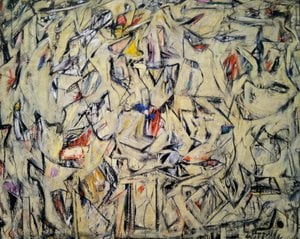
Willem de Kooning's 1964 oil painting, ‘Sphinx’, is not merely a visual experience; it’s an immersion into the turbulent currents of Abstract Expressionism and a profound exploration of the human psyche. Measuring 61 x 47 cm, this work pulsates with raw energy, its surface alive with swirling brushstrokes and intense hues of orange and yellow. To stand before ‘Sphinx’ is to confront a fragmented reality, a world where form dissolves into emotion and suggestion replaces definition. It's a painting that doesn’t offer answers but instead invites contemplation on the elusive nature of identity and the complexities of feminine representation—themes central to de Kooning’s artistic journey.
At the heart of ‘Sphinx’ lies an ambiguous depiction of a female figure, though “depiction” feels inadequate given its radical abstraction. De Kooning doesn't present a portrait in the traditional sense; rather, he offers fleeting glimpses—hints of eyes, a suggestion of a mouth, perhaps the curve of a nose—all dissolving into a dynamic interplay of color and texture. This deliberate ambiguity is key to understanding the painting’s power. It isn’t about portraying a specific woman but evoking the *essence* of femininity, vulnerability, and the societal pressures often imposed upon women. This echoes throughout his famous ‘Woman’ series, where he similarly wrestled with representation and its inherent limitations. The title itself, 'Sphinx', is laden with symbolism; sphinxes are mythical guardians known for their enigmatic nature and challenging riddles. De Kooning seems to present us with a similar puzzle, an invitation to confront our own perceptions and emotions in the face of ambiguity.
De Kooning’s technique is integral to the emotional impact of ‘Sphinx’. As a pivotal figure in Abstract Expressionism—a movement born from the anxieties and uncertainties of post-World War II America—he rejected traditional artistic conventions, prioritizing subjective experience over representational accuracy. The painting embodies this ethos through its energetic brushwork, lack of defined form, and emphasis on the physical act of painting itself. He employed a wet-on-wet application of paint, allowing colors to bleed and blend, creating a hazy, atmospheric quality that amplifies the sense of emotional turmoil. The impasto technique—the thick layering of oil paint—adds a tactile dimension, with pronounced brushstrokes and drips contributing to the work’s raw immediacy. The dominance of warm tones – oranges and yellows – isn't merely aesthetic; it contributes to an overall feeling of intensity, perhaps even anxiety, drawing the viewer into the painting’s emotional core.
Born in Rotterdam in 1904 and later immigrating to the United States, Willem de Kooning became a defining voice of American art. His journey from commercial artist to Abstract Expressionist pioneer was marked by constant experimentation and a relentless pursuit of authentic expression. ‘Sphinx’, created during a period of significant social and political change, reflects this spirit of innovation and rebellion. The painting stands as a testament to de Kooning’s ability to translate complex emotions into a visual language that continues to resonate with audiences today. It's a work that demands attention, sparks conversation, and adds depth and complexity to any environment—a powerful reminder of art’s capacity to tap into our deepest feelings and challenge our perceptions.

1904 - 1997 , 네덜란드

Explore the profound emotional depth of Abstract Expressionism. From Pollock's dynamic drips to de Kooning's gestural mastery, our expert guide offers art collectors a sophisticated analysis of this transformative movement and its enduring legacy in modern fine art.
 미리보기
미리보기
 공유하기
공유하기 공유하기
공유하기
 상세 정보
상세 정보 가이드 보기

 다운로드
다운로드
 유사 작품 더 보기
 X-레이
X-레이 슬라이드 쇼 보기
 질의응답
질의응답
 통계 정보
통계 정보

 더 보기
더 보기









 유리 옵션은 110cm 미만 크기에서만 선택 가능합니다.