이 페이지에 표시된 작품은 저작권법의 보호를 받으며, 이에 따라 동일한 복제품을 제작하거나 판매하는 것은 법으로 금지되어 있습니다. 이러한 권리 보호는 다음과 같은 국제 협약에 따라 시행됩니다. 베른 협약 또한 다음에서 명시하는 법률을 포함한 국내법에 의해 보호됩니다. 미국 저작권법 제17조.
이 방식은 저작권 보호를 받는 예술 작품을 복제하거나 그대로 재현하는 것이 아니기에 저작권 규정을 완벽히 준수합니다. 대신, 이는 창의적인 재해석의 과정을 거칩니다. 즉, 원작에서 영감을 받되 원작과 동일하지 않은 새로운 회화 작품을 의미합니다.
빠른 제작과 다양한 마감 옵션을 선택할 수 있는 박물관 수준의 지클레이 및 캔버스 프린트. ( 수작업 채색 복제본 주문하기 디지털 이미지 판매 채널로 전환)





























작품의 원본 비율을 그대로 유지하는 프리셋 사이즈 중에서 선택해 보세요.

액자나 벽면 크기에 맞춰 필요한 가로와 세로 길이를 입력해 주세요. 프린트는 원본 이미지보다 크게 제작할 수 없으며 오직 자르는 것만 가능하므로, 비율이 다른 사이즈를 선택할 경우 이미지의 일부가 잘려 나갈 수 있습니다. 인쇄 작업에 들어가기 전, 최종 확인을 위해 디지털 목업을 보내드립니다. 이 페이지에 표시된 이미지는 실제 잘리는 영역을 나타내지 않으며, 오직 목업을 통해서만 정확한 확인이 가능합니다.
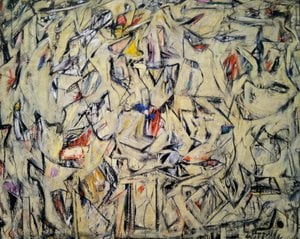
Meg
복제본 규격
Willem de Kooning's 1955 work, “Meg,” is not a painting one simply *looks* at; it’s an experience. A swirling vortex of color and form rendered in oil, pastel, and collage on paper, “Meg” embodies the raw energy and emotional turbulence that define Abstract Expressionism. It's a piece that demands attention, pulling the viewer into its chaotic yet strangely harmonious depths. The painting eschews traditional representation, instead offering a fragmented glimpse into an internal landscape – a world of feeling rather than concrete imagery. While lacking a definitive subject in the conventional sense, hints of figuration emerge from the abstraction, suggesting perhaps a female form or interacting figures caught within a dynamic interplay of gesture and color.
To understand “Meg,” one must consider Willem de Kooning's remarkable journey. Born in Rotterdam in 1904, he immigrated to the United States in 1926, a pivotal move that would shape his artistic trajectory. Initially grappling with commercial art and realistic depictions of urban life, De Kooning gradually moved towards abstraction, influenced by encounters with fellow artists like Arshile Gorky and Jackson Pollock. The post-World War II era saw the rise of Abstract Expressionism in New York City, a movement that sought to express subjective emotional experience through spontaneous, automatic or subconscious creation. De Kooning became a central figure in this revolution, known for his bold brushwork and willingness to challenge conventional artistic boundaries. His earlier “Woman” series, though controversial for their aggressive depiction of the female form, paved the way for the more liberated abstraction seen in works like “Meg.” The year 1955 was particularly significant; it also saw the creation of "Interchange," another landmark painting demonstrating his evolving style and mastery of color.
“Meg” is a testament to De Kooning’s innovative technique. The layering of oil paint, pastel, and collage elements creates a rich, tactile surface that invites close inspection. The artist's characteristic brushstrokes – energetic, slashing, and often seemingly haphazard – build up layers of color and texture, generating a sense of movement and depth. The use of collage adds another dimension to the work, introducing fragments of paper that disrupt the smooth surface and further emphasize the painting’s fragmented nature. This isn’t about precise control; it's about embracing chance and allowing the materials to dictate aspects of the composition. The vibrant palette – a mix of reds, blues, yellows, greens, pinks, oranges, and whites – contributes to the painting’s emotional intensity, evoking feelings of both exhilaration and unease. The overall effect is one of controlled chaos, a carefully orchestrated explosion of color and form.
Ultimately, “Meg” transcends mere aesthetic appeal; it's a deeply emotive work that resonates with viewers on a visceral level. The painting’s ambiguity allows for multiple interpretations, inviting each individual to project their own feelings and experiences onto its surface. Some see echoes of human figures struggling within the abstract forms, while others perceive a landscape ravaged by emotional turmoil. Regardless of one's interpretation, “Meg” evokes a sense of raw energy, vulnerability, and the complexities of the human condition. It’s a powerful reminder that art can be more than just representation; it can be a direct expression of inner life, a window into the subconscious mind.
윌렘 드 쿠닝의 "Meg"에 대한 가이드 페이지를 이용하실 수 있습니다. 이 페이지는 학생들과 수업용으로 제작된, 인쇄 가능한 작품 정보 시트를 제공합니다.
"Meg"은(는) Powerful 느낌을 전달합니다. 이 정서적 톤은 작품이 주는 인상을 설명합니다.
윌렘 드 쿠닝의 "Meg"은(는) Neutrals 색조의 팔레트를 사용하며, Gray (#836267)이(가) 주된 색상을 이룹니다.


1904 - 1997 , 네덜란드

Explore the profound emotional depth of Abstract Expressionism. From Pollock's dynamic drips to de Kooning's gestural mastery, our expert guide offers art collectors a sophisticated analysis of this transformative movement and its enduring legacy in modern fine art.
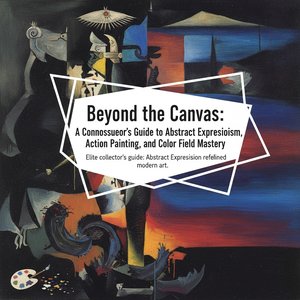
Unveil the visceral power of Abstract Expressionism. Our expert exploration delves into the transformative legacies of Pollock, Rothko, and De Kooning, offering discerning collectors a profound understanding of the New York School’s enduring mastery and historical impact.

 실제 크기로 보기
 보내기
보내기 공유하기
공유하기
 상세 보기
상세 보기 가이드 보기

 이미지 다운로드
 유사 작품 더 보기
 X-레이
X-레이 슬라이드 쇼 보기
 통계 정보
통계 정보


 상세 보기
상세 보기









 유리 옵션은 110cm 미만 크기에서만 선택 가능합니다.