미리보기 AR 미리보기 손으로 그린 그림 구매 디지털 이미지로 전환 공유하기
상세 정보 가이드 보기 즐겨찾기에 추가 다운로드 유사 작품 X-레이 슬라이드 쇼 통계 정보

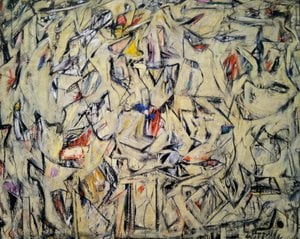
Door to the River

Explore Willem de Kooning’s ‘Door to the River’ – a dynamic Abstract Expressionist masterpiece blending pink, yellow & blue hues. Discover its significance within modern art and De Kooning's legacy.

네덜란드 출신 미국 화가 윌렘 드 쿠닝! 추상 표현주의의 선구자로서 'Woman' 시리즈와 강렬한 붓질이 특징인 역동적인 작품으로 명성을 얻었습니다. 뉴욕 미술계를 대표하는 거장!

지클레 / 아트 프린트

빠른 제작과 다양한 마감 옵션을 제공하는 박물관 품질의 지클레이 또는 캔버스 프린트. ( 손으로 그린 그림 구매 디지털 이미지로 전환)

P118B $10
P118H $10
P118W $10
P438Z $10
P508JH $12
P508YH $12
P805H $10
P805Z $10
P919BZ $10
P919G $10
P919XJ $10
P959ZH $10
P968JZ $12
W106C $8
W218G $10
W218JH $8
W218Y $10
W307PJ $10
W316G $10
W316PJ $8
W316Y $10
W398PJ $8
W4111J $10
W500HY $15
W500JH $15
W692G $12
W849H $8
W940BG $15
W953PJ $8

표준 규격
맞춤형
CM
INCH

작품의 원본 비율을 유지하는 미리 설정된 크기 중에서 선택하세요.

가로 너비
세로 길이

특정 프레임이나 공간에 맞춰 직접 치수를 입력하실 수 있습니다. 선택하신 사이즈가 원본 이미지의 비율과 일치하지 않을 경우, 작품을 크롭(자르기)하거나 이미지를 대칭 또는 단색 채우기로 확장하여 제작합니다. 제작 시작 전, 최종 확인을 위해 디지털 목업이 전송됩니다.
화면상의 미리보기는 실제 크롭이나 확장 상태를 반영하지 않으므로, 최종 구도는 오직 목업을 통해서만 정확하게 확인하실 수 있습니다.
맞춤 사이즈 제작도 가능하지만, 원본 비율을 유지하기 위해서는 사전 정의된 목록에서 치수를 선택하시는 것을 권장합니다.

전 세계 배송()은 일반적인 4~5주의 소요 기간 대신 2주 이내에 완료됩니다. (23 9월)

why_choose_icon
전 세계 무료 특급 배송
why_choose_icon
프리미엄 린넨 캔버스
why_choose_icon
전체 배송 보험 보장
why_choose_icon
관세 환불 보장
why_choose_icon
실제 색상 일치 보장
why_choose_icon
100일 반품 정책 (결함 발생 시에만 적용)
why_choose_icon
100% 환불 보장
why_choose_icon
다량 구매 할인 혜택

총 합계 금액

$ 68

reproduction

Door to the River

지클레 / 아트 프린트

복제본 크기

-

최종 결제 금액

$ 68

작품 정보 요약

  • Artist: Willem de Kooning
  • Artistic style: Dynamic composition
  • Location: Whitney Museum, NY
  • Dimensions: 80 x 70 inches
  • Title: Door to the River
  • Notable elements: Expressive brushwork
  • Subject or theme: River landscape

예술 상식 퀴즈

각 질문의 정답은 하나뿐입니다.

질문 1:
What is the dominant color scheme in Willem de Kooning’s ‘Door to the River’?
질문 2:
The painting ‘Door to the River’ is primarily associated with which art movement?
질문 3:
What does the ‘doorway’ in ‘Door to the River’ symbolize, according to the description?
질문 4:
Which of the following best describes Willem de Kooning’s brushwork style as seen in ‘Door to the River’?
질문 5:
The painting ‘Door to the River’ was created in which year?

A Doorway to Emotion: De Kooning’s “Door to the River”

Willem de Kooning, a titan of 20th-century art, possessed an ability to wrestle with form and emotion in ways that continue to resonate profoundly. His work isn't merely representation; it’s a visceral exploration of the human condition, rendered through dynamic brushstrokes and a vibrant, often unsettling palette. “Door to the River,” painted in 1960, stands as a pivotal example of this approach, offering a glimpse into the artist’s evolving vision during a period of intense creative experimentation. The painting isn't simply a depiction of a riverbank; it’s an invitation – a doorway leading to a realm of feeling and memory. Initially conceived as a study for a larger mural project, its scale—a substantial 80 x 70 inches—amplifies the sense of immersion and immediacy that defines de Kooning's style. The composition is deceptively simple: a broad, ochre-toned doorway dominates the center of the canvas, flanked by a swirling expanse of pink, yellow, white, and brown hues that suggest both water and sky. Yet, within this apparent tranquility lies a palpable energy—a sense of movement and disruption that speaks to the complexities of experience.

The Language of Brushstroke: Technique and Style

De Kooning’s technique is instantly recognizable – a furious, almost violent application of paint that belies the painting's underlying emotional depth. He employed house painter’s brushes, deliberately eschewing the smooth, controlled strokes favored by some of his contemporaries. Instead, he layered thick impasto, creating a surface rich with texture and visual interest. The brushwork isn’t precise; it’s raw, spontaneous, and imbued with an almost palpable sense of urgency. Notice how the lines aren't always clean or defined—they bleed into one another, suggesting a constant state of flux and transformation. This technique wasn’t simply about applying paint; it was about channeling emotion directly onto the canvas. The painting exemplifies his move away from the more rigid structures of earlier works, embracing a looser, more expressive approach that mirrored his own restless spirit. The color palette itself is crucial – the warm yellows and browns ground the composition, while the pinks and blues evoke both serenity and unease, mirroring the duality inherent in memory and experience.

Context within Modern Art Movements: Beyond Abstract Expressionism

“Door to the River” resides firmly within the realm of Abstract Expressionism, a movement that sought to liberate art from representational constraints and explore the depths of subjective experience. However, de Kooning’s work transcends simple categorization. He pushed the boundaries of abstraction, incorporating elements of figuration—the suggestion of a doorway, the implied presence of figures—that challenged viewers to engage with the painting on multiple levels. The painting's creation coincided with a period of significant artistic ferment, following the dominance of Abstract Expressionism and preceding the rise of Postmodern art. De Kooning’s work served as a bridge between these movements, embodying the modernist ideals of experimentation and personal expression while simultaneously anticipating the ironic and self-aware approach of postmodernism. His influence can be seen in artists like Richard Clifford Diebenkorn Jr., who similarly explored abstract expressionism with a focus on capturing the essence of place and memory.

Symbolic Layers: The River, the Doorway, and Beyond

The symbolism within “Door to the River” is layered and open to interpretation. The doorway itself can be seen as a metaphor for transition—a passage between states of being, memories and realities. The river below represents fluidity, change, and perhaps even the subconscious mind. The figures glimpsed in the background – often interpreted as fragments of memory or reflections of the artist’s own psyche – add to this sense of ambiguity and invite viewers to project their own experiences onto the canvas. Some art historians suggest that the painting reflects de Kooning's personal struggles with identity and his evolving relationship with New York City, a city he both loved and wrestled with throughout his life. The overall effect is not one of straightforward narrative but rather an evocative exploration of feeling—a reminder that art can be as much about inviting contemplation as it is about depicting the visible world.

For those seeking to experience the power and dynamism of Willem de Kooning’s “Door to the River” firsthand, high-quality reproductions are available through WahooArt.com and WahooArt.com. Further exploration of de Kooning’s oeuvre, including his seminal work “Interchange,” can be found on Wikipedia: Wikipedia.


작가 약력

네덜란드에서 건너온 격렬한 에너지를 담아낸 화가, 윌렘 드 쿠닝

1904년 네덜란드 로테르담에서 태어난 윌렘 드 쿠닝은 20세기 미술사에서 가장 중요한 인물 중 한 명으로 자리매김했습니다. 그의 삶은 격변과 실험의 연속이었으며, 이는 그의 작품에도 고스란히 반영되어 있습니다. 어린 시절 부모님의 이혼으로 인해 불안정한 환경 속에서 성장한 그는 정규 교육을 오래 받지 못하고 상업 미술 회사에서 일하며 기술적인 기반을 다졌습니다. 하지만 틀에 박힌 예술 형식과는 거리가 멀었던 드 쿠닝은 끊임없이 새로운 표현 방식을 갈망했고, 결국 1926년 미국으로 건너가 뉴욕이라는 도시의 역동적인 에너지 속에서 자신만의 예술 세계를 구축해 나갔습니다. 초기에는 도시 풍경과 초상화를 통해 뉴욕의 삶을 그려냈지만, 곧 추상표현주의라는 새로운 흐름에 합류하며 그의 예술적 변신은 가속화되었습니다.

아르실 고르키의 영향과 추상으로의 도약

드 쿠닝에게 아르실 고르키는 단순한 동료 이상의 의미를 지녔습니다. 고르키는 드 쿠닝에게 추상의 가능성을 제시하며, 전통적인 표현 방식을 벗어나 더 깊은 감정과 내면세계를 탐구하도록 격려했습니다. 1930년대에는 WPA(Works Progress Administration) 프로젝트에 참여하여 사회적 현실을 반영한 작품들을 제작하면서 기량을 더욱 연마했지만, 동시에 기존의 틀로는 만족할 수 없는 예술가로서의 갈증을 느꼈습니다. 스튜어트 데이비스와 존 그라함과 같은 다른 예술가들의 영향 또한 그의 추상 회화로의 전환에 중요한 역할을 했습니다. 이러한 다양한 경험들은 드 쿠닝을 점진적으로 현실적인 묘사에서 벗어나 더욱 자유롭고 역동적인 표현 방식을 모색하도록 이끌었습니다.

'여인’ 연작: 아름다움과 불안의 공존

2차 세계대전 이후, 드 쿠닝은 추상표현주의 운동의 중심 인물로 부상하며 그의 대표작으로 손꼽히는 '여인' 연작(1950-1953)을 탄생시켰습니다. 이 연작은 단순한 여성 초상이 아닌, 여성성, 성적 욕망, 그리고 인간 감정의 복잡성을 탐구하는 강렬하고 도발적인 작품들입니다. 거칠고 공격적인 붓놀림, 파편화된 형태, 불안정한 색채의 조화는 기존의 아름다움에 대한 통념을 깨뜨리고 관객에게 충격과 함께 깊은 사유를 불러일으켰습니다. '여인 I'은 그 대표작으로, 드 쿠닝이 여성이라는 주제를 통해 표현하고자 했던 것은 이상적인 아름다움이 아닌, 인간 존재의 불안하고 역동적인 본질이었을 것입니다. ‘글레이저’나 ‘굴착’과 같은 다른 작품들 역시 그의 역동적인 회화 기법을 보여주며, 질감, 색채, 구도의 조화를 통해 독특한 예술 세계를 구축했습니다.

변화하는 풍경과 불멸의 유산

1960년대 이후 드 쿠닝은 다시 한번 스타일 변화를 겪으며 풍경 요소를 작품에 적극적으로 도입하기 시작했습니다. 이전보다 밝고 부드러운 색채와 유연한 붓놀림을 사용하여 자연의 아름다움을 표현하면서도, 그의 추상적인 시도는 여전히 작품 곳곳에서 드러났습니다. 그는 끊임없이 새로운 기법과 재료를 실험하며 예술적 경계를 넓혀갔으며, 말년에는 원색과 리본 모양의 형태를 활용한 독특한 추상 회화를 선보이기도 했습니다. 윌렘 드 쿠닝은 뉴욕을 세계적인 미술 중심지로 발돋움시키는 데 크게 기여했으며, 후대 예술가들에게 끊임없는 영감을 제공했습니다. 그의 작품은 오늘날에도 여전히 많은 논쟁과 찬사를 불러일으키며, 20세기 가장 중요한 미국 화가 중 한 명으로서 그의 유산은 영원히 지속될 것입니다.
윌렘 드 쿠닝

윌렘 드 쿠닝

1904 - 1997 , 네덜란드

주요 정보

  • 국적: 네덜란드-미국 국적
  • 사망일: 1997년 3월 19일
  • 영향을 받은 예술 사조: ['뉴욕파']
  • 영향을 준 예술가:
    • 아르쉴레 고르키
    • 스튜어트 데이비스
    • 존 그라함
  • 예술 사조: 추상 표현주의
  • 전체 이름: 윌렘 드 쿠닝
  • 주요 작품:
    • Woman I
    • Marilyn Monroe
    • Reclining Man (JFK)
    • Excavation
  • 출생일: 1904년 4월 24일
  • 출생지: 로테르담, 네덜란드
테마, 스타일 및 특징별로 분류된 작품들을 만나보세요.