빠른 제작과 다양한 마감 옵션을 제공하는 박물관 품질의 지클레이 또는 캔버스 프린트. ( 손으로 그린 그림 구매 이미지 구매)





























작품의 원본 비율을 유지하는 미리 설정된 크기 중에서 선택하세요.

특정 프레임이나 공간에 맞춰 직접 치수를 입력하실 수 있습니다. 선택하신 사이즈가 원본 이미지의 비율과 일치하지 않을 경우, 작품을 크롭(자르기)하거나 이미지를 대칭 또는 단색 채우기로 확장하여 제작합니다. 제작 시작 전, 최종 확인을 위해 디지털 목업이 전송됩니다.
화면상의 미리보기는 실제 크롭이나 확장 상태를 반영하지 않으므로, 최종 구도는 오직 목업을 통해서만 정확하게 확인하실 수 있습니다.
맞춤 사이즈 제작도 가능하지만, 원본 비율을 유지하기 위해서는 사전 정의된 목록에서 치수를 선택하시는 것을 권장합니다.

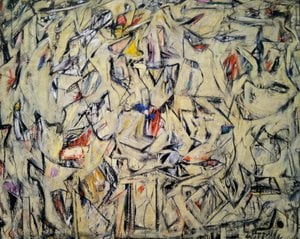
Clam Diggers
복제본 크기
To stand before Willem de Kooning’s Clam Diggers is not merely to observe paint on canvas; it is to confront a raw, untamed emotional outpouring. Created in 1963, this monumental work stands as a towering testament to the power and ferocity of Abstract Expressionism. The piece immediately engulfs the viewer in a maelstrom of color and gesture. At its heart reside three central female figures, rendered with an almost mythic intensity. They are not portraits in the traditional sense; rather, they are embodiments of energy, struggle, and visceral life force. De Kooning’s signature approach—a dynamic interplay between recognizable form and pure abstraction—is on full display here, inviting a dialogue that is both intellectual and deeply carnal.
De Kooning's technique in Clam Diggers is famously aggressive, suggesting the very act of creation was as vital to the artwork as the final image itself. One can almost hear the scrape of the palette knife or the violent sweep of the brush across the surface. The paint application is thick, layered, and unapologetically visible. It possesses a materiality that draws the eye into its depths, revealing passages where color bleeds into neighboring hues, creating an optical vibration. This rich texture prevents any single area from resting comfortably; the entire canvas pulses with restless activity. For those considering bringing this powerful aesthetic home, understanding this physicality is key—it promises depth and drama in any space.
The subject matter itself—the figures amidst a chaotic, colorful background—has long been debated by critics, yet its emotional resonance remains undeniable. The women are depicted with varying poses and expressions that suggest narratives untold. They seem caught between labor, mystery, and raw existence. Symbolically, the work speaks to the primal energy of womanhood, the grit found in everyday toil, and the complex relationship between humanity and the wildness of nature, hinted at by the title's reference to digging. It is a confrontation with the elemental; a celebration of life lived without pretense.
Emerging from the crucible of post-war New York art, Clam Diggers situates itself firmly within the zenith of Abstract Expressionism. This movement was less about depicting a scene and more about documenting an emotional state—a grand, sweeping gesture reflecting the anxieties and boundless potential of the mid-20th century American spirit. De Kooning’s journey from Rotterdam to becoming a titan in New York is mirrored in this painting: a powerful outsider voice asserting its undeniable presence on the global art stage. Owning a reproduction of this work connects one directly to that pivotal moment in modern art history.
This piece does not whisper; it declares. It demands attention, transforming any room into a gallery space charged with intellectual and emotional energy. For the collector or designer seeking an anchor piece—a focal point that refuses to be ignored—Clam Diggers offers unparalleled dynamism. Its vibrant palette and restless composition ensure that the artwork will evolve in conversation with its surroundings, offering a continuous source of inspiration. It is art that feels vital, immediate, and eternally alive.

1904 - 1997 , 네덜란드

Explore the profound emotional depth of Abstract Expressionism. From Pollock's dynamic drips to de Kooning's gestural mastery, our expert guide offers art collectors a sophisticated analysis of this transformative movement and its enduring legacy in modern fine art.


 미리보기
미리보기
 공유하기
공유하기 공유하기
공유하기
 상세 정보
상세 정보

 다운로드
다운로드
 유사 작품
유사 작품 X-레이
X-레이 슬라이드 쇼

 더 보기
더 보기









 유리 옵션은 110cm 미만 크기에서만 선택 가능합니다.